
Smart Home Development Trends
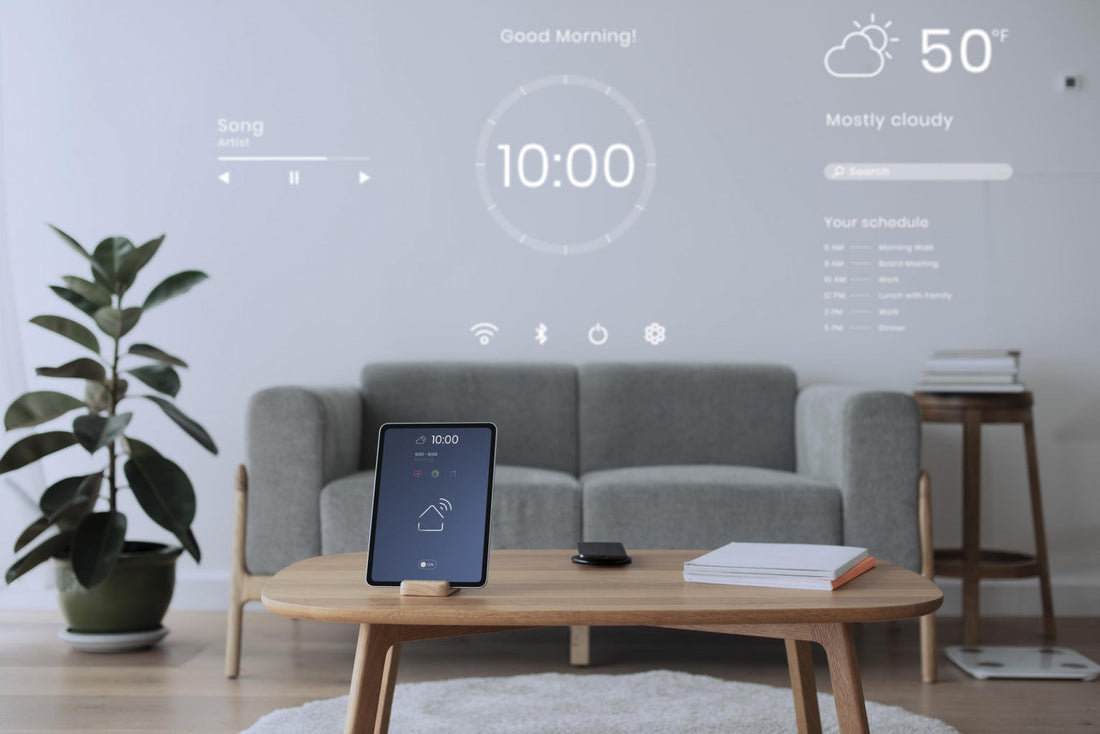
Smart home refers to a living environment that utilizes advanced technology to interconnect various devices and systems within the home, enabling automated control and remote management. These devices include lighting systems, HVAC systems, security systems, and home appliances, which are connected to the internet via the Internet of Things (IoT). Users can operate them through smartphones, tablets, or voice assistants. The core of smart homes lies in enhancing the comfort, security, and convenience of living, and in providing personalized settings based on user needs. With technological advancements, the concept of smart homes has continuously evolved. Initially, smart homes focused primarily on the automated control of single devices, such as timed switching of lights or adjusting air conditioning temperatures. Today, smart home systems have developed into comprehensive ecosystems capable of collaborative operation between multiple devices. For example, when a user leaves home, the system can automatically turn off all lights and appliances and activate the security system, thus improving security and saving energy.
Key Takeaways
- Smart home refers to a lifestyle that utilizes advanced technology and equipment to make the home environment more intelligent and convenient.
- The application scope of smart homes includes home security monitoring, energy management, smart appliance control, smart lighting systems, and many other aspects.
- Technological innovations in smart homes include artificial intelligence, the Internet of Things, and remote control, making home devices more intelligent and convenient.
- The smart home market is experiencing rapid growth and will become an important development direction for the home furnishing industry in the future.
- The environmental benefits of smart homes include energy conservation and emission reduction, and efficient resource utilization, which helps to build a green and low-carbon home environment.
Application scope of smart home
The applications of smart homes are very broad, covering all aspects of family life. Firstly, in lighting, smart lights can automatically adjust their brightness according to ambient light and can be remotely controlled via a mobile app. Users can set different lighting scenes, such as a movie mode or a dinner mode, to suit different activity needs. Furthermore, smart lights can be linked with other devices, for example, automatically turning on the lights when the door is unlocked. Secondly, in security systems, smart homes offer a variety of solutions, including smart door locks, surveillance cameras, and intrusion alarm systems. These devices can monitor home security in real time and immediately notify users when anomalies are detected. Many smart security devices also feature facial recognition and motion detection capabilities, effectively preventing theft and intrusion. Users can check their home's security status anytime, anywhere, enhancing their sense of control over their home.
Technological innovation in smart homes
With the continuous advancement of technology, numerous technological innovations have emerged in the smart home field. Among them, the Internet of Things (IoT) is a crucial foundation for the development of smart homes. IoT enables various devices to connect and communicate via the internet, achieving data sharing and collaborative operation. This technology not only improves interoperability between devices but also makes it easier for users to manage various devices in their homes. Furthermore, the application of artificial intelligence (AI) in smart homes is increasing. AI technology can analyze user behavior patterns and automatically adjust device settings based on this data. For example, smart thermostats can learn users' living habits and automatically adjust the indoor temperature to achieve optimal comfort. Meanwhile, voice assistants such as Amazon Alexa and Google Assistant are playing an increasingly important role in smart homes, allowing users to easily control various devices through voice commands.
Market Trends of Smart Homes
As people's demands for quality of life increase, the smart home market is growing rapidly. According to market research reports, the global smart home market is expected to continue expanding at a double-digit growth rate in the coming years. This growth is primarily driven by increased consumer demand for convenience, security, and energy efficiency. Particularly during the pandemic, the increased focus on home life led to a surge in demand for smart home products. Furthermore, the widespread adoption of 5G technology will bring new opportunities to the smart home market. 5G technology offers faster data transmission speeds and lower latency, enabling smoother communication between various smart devices. This will foster more innovative applications, such as real-time video monitoring and telemedicine, extending smart homes beyond home life to areas like health management.
Environmental benefits of smart homes
Smart homes not only enhance convenience but also have a positive impact on environmental protection. First, smart home systems can effectively manage energy consumption. For example, smart thermostats can automatically adjust the operating time and intensity of HVAC systems based on changes in indoor and outdoor temperatures, thereby reducing unnecessary energy waste. Furthermore, smart lighting can automatically adjust brightness based on natural light, effectively reducing power consumption. Second, smart homes can promote the use of renewable energy. Many smart home systems support integration with solar power systems, enabling households to use their own electricity more effectively. When solar power generation is excessive, the system can automatically store the excess electricity or use it to charge devices such as electric vehicles, thereby reducing dependence on traditional energy sources. This not only helps reduce household energy costs but also plays a positive role in reducing carbon emissions.
Security of smart homes
Security is a crucial consideration in the design of smart home systems. With more and more devices connecting to the internet, protecting them from hacking has become a pressing issue. Many smart home products are equipped with encryption technology to ensure the security of data transmission. Furthermore, some manufacturers offer regular firmware and software updates to patch potential security vulnerabilities. Besides data security, physical security is also an important component of smart homes. Many smart security devices, such as surveillance cameras and door locks, have real-time monitoring and alarm functions, immediately notifying users of any anomalies. These devices are typically equipped with motion detection and night vision capabilities, enabling effective home security monitoring even at night. In addition, some high-end products feature facial recognition technology, which can distinguish between family members and strangers, enhancing the level of security.
The convenience of smart homes
One of the biggest advantages of smart home systems is the convenience they offer. Users can easily control various devices in their home through mobile apps or voice assistants without having to physically go to each device. For example, on their way home, users can pre-start the air conditioner or heater to ensure a comfortable indoor environment upon arrival. Furthermore, many smart home systems support scene mode settings, allowing users to switch to preset scenes with a single click, such as "movie mode" or "party mode." In addition, smart homes can save users time and energy. For instance, automated cleaning robots can regularly clean floors without requiring manual operation. This frees up more time for other activities, such as spending time with family or pursuing hobbies. As technology continues to advance, even more innovative solutions may emerge in the future, making home life even more convenient.
Cost-effectiveness of smart homes
While the initial investment may be high, smart home systems offer significant cost-effectiveness in the long run. First, by effectively managing energy consumption, users can significantly reduce their monthly utility bills. For example, a smart thermostat, after learning user habits, can automatically adjust the indoor temperature to achieve optimal comfort while avoiding unnecessary energy waste. According to some research reports, installing a smart thermostat can save approximately 10% to 20% on energy costs annually. Second, many smart home products also feature preventative maintenance functions, detecting equipment malfunctions early and alerting users to repairs. For example, some smart washing machines can monitor their operating status and provide maintenance suggestions to extend equipment life and reduce repair costs. Furthermore, automation systems can reduce labor costs; for instance, automated cleaning robots reduce the time and effort required for cleaning.
User needs of smart homes
As lifestyles continue to evolve, so too does the demand for smart home products. Currently, most consumers hope to improve their quality of life through smart technology, thus placing high expectations on features such as convenience, safety, and energy efficiency. For example, during the pandemic, people have become more focused on family health, leading to a significant increase in demand for air quality monitoring and purification equipment. Furthermore, with remote work becoming the norm, people are demanding greater comfort and efficiency in their home office environments. In addition, consumers of different age groups have different needs for smart home products. The younger generation is generally more receptive to new technologies and wants to easily control home devices through mobile applications or voice assistants. Meanwhile, middle-aged and elderly people may prioritize ease of use and security, thus requiring designs that incorporate simple, intuitive interfaces and clear instruction manuals.
The Future Development of Smart Homes
In the future, smart homes will evolve towards greater intelligence, personalization, and greenness. On one hand, with the continuous maturation of artificial intelligence technology, future smart home systems will better understand user needs, learn autonomously, and make corresponding adjustments. For example, more advanced emotion recognition technology may emerge, enabling systems to automatically adjust environmental settings, such as lighting color or music playback, based on changes in the user's emotions. On the other hand, sustainable development will become one of the important trends in future smart homes. With the increasing global awareness of environmental protection, future smart home products will pay more attention to resource efficiency and environmental impact. For example, new materials and renewable energy technologies will be widely used in product design to reduce carbon footprint. In addition, major manufacturers may launch more products designed specifically for environmental needs, such as water-saving bathroom fixtures or low-energy appliances.
Challenges and Solutions for Smart Homes
Despite the enormous potential of the smart home market, it still faces numerous challenges. One of these is security, as the large number of devices connected to the internet increases the risk of hacking. Therefore, strengthening data encryption and regularly updating firmware are essential. Furthermore, user education is also crucial; raising consumer awareness of security risks helps reduce potential threats. Another challenge is the lack of standardization between different brands, making interoperability difficult. To address this, major manufacturers are promoting open standards and protocols to facilitate compatibility between different brands. In addition, platforms such as Apple HomeKit and Google Home are working to build ecosystems that enable seamless connectivity between various devices, collectively providing a better user experience.
FAQs
What is smart home?
Smart home refers to a home system that utilizes technologies such as the Internet of Things, sensors, and smart devices to achieve interconnection and intelligent control and management of home devices.
What are the development trends of smart homes?
The development trends of smart homes include intelligence, personalized customization, energy conservation and environmental protection, and safety and reliability.
What are the applications of smart homes?
The application scope of smart homes covers various scenarios such as homes, offices, hotels, and commercial venues, including smart lighting, smart security, and smart appliances.
What challenges does the development of smart homes face?
The development of smart homes faces challenges including standardization, security, user privacy protection, and cost control.
What are the prospects for the development of smart homes?
The smart home market has broad prospects. With the continuous advancement of technology and the improvement of people's living standards, smart homes will be more widely used and developed.
