
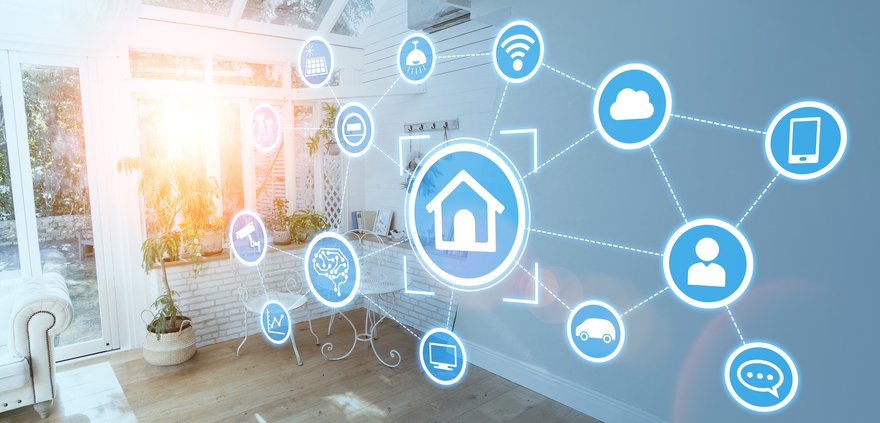
Smart home devices: essential technologies for future living
Smart home devices refer to appliances that utilize Internet of Things (IoT) technology, artificial intelligence (AI), and automation to connect various devices and systems in a home, enabling remote control and intelligent management. These devices can be operated via mobile applications, voice assistants, or other control interfaces, allowing users to monitor and manage their home environment anytime, anywhere. The concept of smart homes is not merely about the intelligence of individual devices, but rather the intelligence of the entire home system, aiming to improve quality of life, enhance security, and increase energy efficiency. With technological advancements, the functions of smart home devices are becoming increasingly diverse, encompassing everything from basic lighting control to complex security monitoring systems. These devices not only improve the convenience of living but also learn and adjust themselves based on users' lifestyles, achieving a truly intelligent lifestyle. The development of smart homes has also spurred the prosperity of related industries, impacting everything from hardware manufacturing to software development.
Key Takeaways
- What are smart home devices?
- Smart home devices are devices that can automatically control the home environment, including lighting, heating, and security systems.
- Types of smart home devices
- Smart home devices include various types such as smart lights, smart sockets, and smart surveillance cameras.
- Functions of smart home devices
- Smart home devices can achieve a variety of functions such as remote control, energy-saving management, and security monitoring.
- Advantages of smart home devices
- Smart home devices offer advantages such as improved convenience, energy efficiency, environmental friendliness, and enhanced home security.
- Application scenarios of smart home devices
- Smart home devices can be applied to various scenarios such as homes, offices, and commercial spaces.
Types of smart home devices
Smart home devices come in a wide variety, covering all aspects of home life. First, smart lighting systems are one of the most common types. These systems allow users to adjust the brightness and color of lights via a mobile app or voice commands, and can even set timers for energy-saving switching. Furthermore, smart bulbs can link with other smart devices, such as automatically turning on the lights when a user enters the room. Second, smart security systems are another important category. These systems typically include devices such as smart cameras, door locks, and alarms. Users can check on their homes at any time via their mobile phones and receive immediate notifications in case of any anomalies. Some high-end systems even feature facial recognition to distinguish between family members and strangers, further enhancing security. In addition, smart door locks enable keyless entry, facilitating access for family members.
Functions of smart home devices
Smart home devices offer diverse and constantly evolving functionalities. First and foremost, remote control is one of their most fundamental features. Users can control home devices anytime, anywhere via mobile applications, such as adjusting air conditioning temperature, turning lights on and off, or checking security camera footage. This convenience allows users to maintain control over their home environment even when they are away. Furthermore, many smart home devices possess automation capabilities, adjusting to users' lifestyles. For example, smart thermostats can learn a user's sleep schedule and automatically adjust the indoor temperature for optimal comfort and energy efficiency. Smart speakers can automatically play appropriate music or radio broadcasts based on the user's musical preferences. These features not only enhance the quality of life but also make daily life easier.
Advantages of smart home devices
Smart home devices offer numerous advantages, the most significant being enhanced convenience. Users no longer need to physically go to each room to operate devices; they can complete various tasks simply through their smartphones or voice assistants. For example, before arriving home, users can pre-turn on the air conditioner or heater to ensure a comfortable environment upon arrival. Furthermore, smart home systems can automatically adjust settings according to user needs, making life more personalized. Another important advantage is security. Smart security systems can monitor the home environment in real time and immediately issue alarms or notify users when abnormalities are detected. This instantaneous response capability greatly improves home security. In addition, many smart locks feature remote unlocking capabilities, allowing users to authorize others to enter their home when they are away, without their physical presence. This not only enhances security but also strengthens trust among family members.
Application scenarios of smart home devices
Smart home devices have a wide range of applications, covering all aspects of family life. In the living room, smart speakers can play music, provide news updates, or control other smart devices; while smart TVs can connect to the internet, allowing users to watch their favorite shows anytime. In the kitchen, smart refrigerators can track food inventory and provide recipe suggestions, while smart ovens can automatically adjust cooking time and temperature based on the ingredients. In the bedroom, smart lighting systems can automatically adjust brightness according to the user's sleep schedule to help them fall asleep and wake up better. Furthermore, smart thermostats can automatically adjust the indoor temperature according to seasonal changes, providing optimal comfort. In the bathroom, smart mirrors can display weather forecasts, news, or social media updates, making daily care more efficient.
Future Development Trends of Smart Home Devices
With continuous technological advancements, smart home devices will evolve towards greater efficiency, convenience, and security. Firstly, artificial intelligence (AI) technology will play an increasingly important role in smart homes. Future devices will be able to better understand user needs, automatically learn, and adapt to their lifestyles. For example, smart assistants will be able to predict user needs and proactively offer suggestions or perform tasks at appropriate times. Secondly, interconnectivity will be a crucial trend in future smart homes. Devices of different brands and types will be able to connect seamlessly and collaborate to provide a better user experience. For instance, users can control all devices through a unified platform without having to switch between different applications. Furthermore, with the widespread adoption of 5G technology, data transmission speeds will significantly increase, making instant response and remote control even smoother.
Security issues of smart home devices
While smart home devices offer numerous conveniences, their security is a significant concern. Because these devices are typically connected to the internet, they are vulnerable to hacking. For example, once a hacker gains access to a home network, they could gain control of sensitive information or various devices throughout the home. Therefore, strengthening network security measures is crucial, including using strong passwords, regularly updating firmware, and enabling two-factor authentication. Furthermore, users should consider the security of smart home devices when making their selection. Some brands may have poor security practices, so choosing reputable brands and certified products will help reduce risk. Additionally, users should regularly check and update their device settings to ensure they are always in optimal security condition.
Environmental performance of smart home devices
With increasing environmental awareness, many consumers are paying attention to the environmental performance of smart home devices. These devices typically feature energy-saving functions, effectively reducing energy consumption. For example, smart thermostats can automatically adjust indoor temperature according to actual needs, significantly reducing the time spent using air conditioning and heating. Furthermore, smart lighting systems can automatically adjust brightness based on natural light, effectively reducing power consumption. In addition to energy saving, some smart home devices are also made with environmentally friendly materials. For instance, some brands have launched products made from recyclable materials to reduce their environmental impact. Moreover, many smart home systems provide energy usage reports to help users understand their energy consumption and make more informed choices.
Cost and value of smart home devices
When considering purchasing smart home devices, users often focus on balancing cost and value. While the initial investment may be higher, these devices typically offer significant savings in the long run. For example, by using smart thermostats and lighting systems, users can effectively reduce electricity bills. Furthermore, some security systems can reduce insurance premiums, as many insurance companies offer discounts to homes with security systems installed. However, users should also consider their actual needs when choosing devices. Some high-end products, while powerful, may not be necessary for the average household. Therefore, a reasonable decision should be made based on individual needs and budget to ensure the best return on investment.
Tips for using smart home devices
To fully unleash the potential of smart home devices, users can adopt several usage tips. First, regularly updating software and firmware is crucial. This not only improves performance but also enhances security. Furthermore, users should familiarize themselves with various functions and settings to maximize the use of these devices. For example, when setting timers, adjustments can be made based on daily routines for optimal results. Additionally, users can consider integrating devices from different brands and types onto a single platform for easier management. For instance, some platforms allow users to control all their smart devices within a single application, making operation simpler and more intuitive. Moreover, users can set scene modes, such as "Home Mode" or "Away Mode," to quickly switch between different settings and improve convenience.
Smart Home Device Selection Guide
When choosing smart home devices, users should consider several factors to ensure they select the right product. First, assess your own needs, including what aspects you hope to improve, such as security, convenience, or energy efficiency. Second, consider product compatibility, ensuring seamless connectivity between different brands and types for the best user experience. Additionally, users should review product reviews and professional evaluations to understand other consumers' opinions and experiences. Choosing a well-known brand generally offers more assurance, but a balance between price and performance is crucial. Before purchasing, try out the product or attend a demonstration to gain a more intuitive understanding of its performance and suitability.
FAQs
What are some common types of smart home devices?
Smart home devices include smart lights, smart sockets, smart door locks, smart cameras, smart speakers, smart air conditioners, etc.
How can smart home devices be controlled?
Smart home devices can be controlled via mobile apps, voice assistants (such as Siri, Alexa, and Google Assistant), remote controls, timers, and other methods.
What are the advantages of smart home devices?
Smart home devices can improve the convenience of life, save energy, enhance home security, improve home comfort, and enable remote control functions.
How can the security of smart home devices be guaranteed?
Smart home devices typically employ encrypted transmission technology, strict access control, and security patch updates to protect user privacy and security.
What kind of network support do smart home devices need?
Smart home devices typically need to be connected to a home Wi-Fi network to enable remote control and interconnected operation.
