
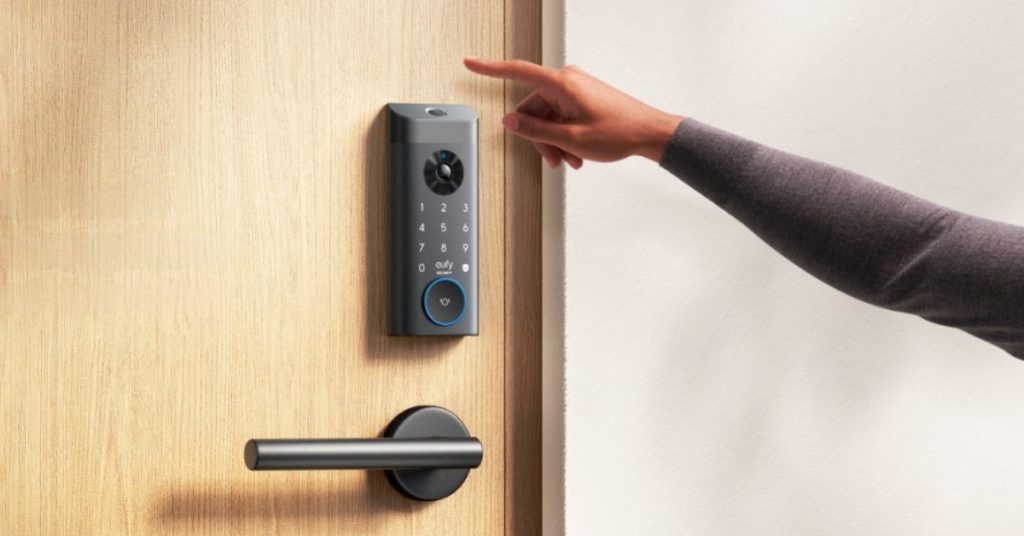
Smart door locks are a new type of door lock system that leverages advanced electronics and internet connectivity to offer greater security and convenience than traditional mechanical locks. These locks are often equipped with features like a numeric keypad, fingerprint recognition, and Bluetooth or Wi-Fi connectivity, allowing users to remotely control and manage them via smartphones or other devices. The emergence of smart door locks marks a major revolution in home security technology, allowing people to enjoy greater security and convenience in their daily lives. With technological advancements, smart door lock designs are becoming increasingly diverse, catering to diverse user needs from both appearance to functionality. Many smart door locks also feature anti-theft alarms and visitor management, effectively enhancing home security. These features have transformed smart door locks from simple on/off switches into a vital component of modern home security systems.
summary
- Smart door lock is a smart device that can unlock and lock through wireless technology
- The working principle of smart door lock is to authenticate the door through fingerprint recognition, password input, induction card, etc.
- The main functions of smart door locks include remote control, password management, fingerprint recognition, door lock records, etc.
- Smart door locks can protect home security through remote monitoring, alarm systems and other functions
- Smart door locks are safer and more convenient than traditional door locks, but they are more expensive. When choosing one, you need to consider your family's needs and budget.
How do smart door locks work?
The operating principle of a smart door lock primarily relies on the coordinated operation of electronic components and software systems. When a user needs to enter their home, they can unlock the door in a variety of ways, such as entering a password, using fingerprint recognition, or sending an unlock command via a mobile app. These operations are received and processed by the smart door lock's internal control system, which then decides whether to unlock the door based on the user's identity verification results. For example, when a user places their finger on the fingerprint scanner, the smart door lock compares the scanned fingerprint with the fingerprint data pre-stored in the system. If a match is found, the door lock's internal motor activates, unlocking the door. This process typically completes within seconds, greatly improving unlocking efficiency and security. In addition, many smart door locks also record unlocking history, allowing users to easily track who entered the home and when.
What are the main functions of smart door locks?
Smart door locks offer a variety of features, making them a crucial component of modern home security systems. First and foremost, remote control allows users to remotely unlock or lock their door locks anytime, anywhere via a mobile app. This is particularly convenient for those who frequently travel or work. Furthermore, many smart door locks allow for the setting of temporary passwords, allowing for temporary access for visitors or family members. Secondly, smart door locks often include an anti-theft alarm. Upon detecting anomalies, such as forced prying or vandalism, the lock will immediately sound an alarm and notify the user. This feature effectively deters intruders and enhances security. Furthermore, some high-end models are equipped with cameras that monitor the door in real time and stream video to the user's phone.
How do smart door locks protect home security?
Smart door locks offer significant advantages for protecting home security. First, their advanced authentication technologies, such as fingerprint and facial recognition, significantly enhance security. Traditional mechanical locks are easily pried or key-duplicated, while smart door locks rely on biometrics or digital passwords, making them difficult for unauthorized intruders to crack. Second, smart door locks often feature real-time monitoring and alarm functions. When unauthorized entry is attempted, the lock immediately sounds an alarm and notifies the user, allowing them to take timely action. Furthermore, some smart door locks can integrate with home security systems, such as surveillance cameras or alarm systems, to form a comprehensive security network. This multi-layered security approach allows families to remain more confident in the face of potential threats.
Comparison between smart door locks and traditional door locks
When comparing smart door locks to traditional door locks, there are several key aspects to consider. First, in terms of security, smart door locks generally offer a higher level of protection. Traditional mechanical locks are easily pried open or keys copied, while smart door locks rely on electronic technology and biometrics, significantly reducing the risk of hacking. Furthermore, many smart door locks feature anti-theft alarms that immediately sound an alert upon detecting an anomaly. Second, in terms of convenience, smart door locks are undoubtedly superior to traditional door locks. Users can remotely control the door lock via a mobile app, eliminating the need to use a key each time. This is very convenient for frequent travelers. Furthermore, smart door locks support the ability to set temporary passwords or manage visitor numbers, allowing family members and visitors to easily access the door without worrying about lost or forgotten keys.
How to choose a smart door lock that suits your home?
Choosing the right smart door lock for your home requires several considerations. First, choose the right features based on your family's specific needs. For example, if you have a large family, choose a model that supports multiple user accounts and temporary passwords for easier management. If you frequently have visitors, consider a product with visitor management capabilities. Second, consider the product's security and stability. Smart door locks from reputable brands generally offer better quality assurance. Additionally, check for security features like anti-theft alarms and encrypted communications to ensure your family's safety. When choosing a lock, also consider compatibility to ensure it seamlessly integrates with your existing home security system.
What are the installation steps for a smart door lock?
Installing a smart door lock usually requires following certain steps to ensure its proper operation. First, before installation, you need to carefully read the product manual to understand the tools and materials required for installation. Generally speaking, installation tools include screwdrivers, drills, etc. Before starting the installation, make sure that the existing door frame and door panel structure are stable to facilitate the installation of the new door lock. Next, you need to remove the old mechanical door lock. This step usually requires careful operation to avoid damaging the door frame. After the disassembly is complete, the new smart door lock can be installed in place according to the instructions in the product manual. After the installation is complete, power connection and setup are required, including connecting to Wi-Fi, setting up an administrative account, etc. Finally, test whether the door lock is operating normally to ensure that it is functioning properly.
Precautions for use and maintenance of smart door locks
When using a smart door lock, there are some basic things to keep in mind to ensure proper operation. First, check the battery level regularly to ensure it's not malfunctioning due to low power. Most smart door locks will sound an alarm when the battery is low, but it's still necessary to replace the battery promptly. Additionally, update the app regularly to get the latest features and security patches. Regarding maintenance, keep the door lock surface clean to prevent dust and dirt from affecting its proper operation. If you notice any abnormalities, such as a stiff or unresponsive switch, have it inspected and repaired promptly. Furthermore, avoid sharing your unlock code with unnecessary people to ensure your home's security.
Price range and cost-effectiveness analysis of smart door locks
Smart door locks have a relatively wide price range, generally ranging from a few hundred to several thousand yuan. This price difference primarily depends on brand, features, and technology level. For example, some basic models may only offer a simple numeric keypad unlocking function, while higher-end models may include advanced features such as fingerprint recognition, facial recognition, and remote monitoring. When choosing a lock, users need to make a reasonable choice based on their needs and budget. In terms of cost-effectiveness, while high-end models are more expensive, the security and convenience they provide often exceed the protection provided by traditional mechanical locks. Therefore, when considering long-term use and home security needs, a high-end smart door lock may be more attractive. For those on a limited budget who still want to improve home security, a mid-range model is a good choice.
Future development trends of smart door locks
With the continuous advancement of technology, smart door locks will develop towards a more intelligent and user-friendly direction in the future. On the one hand, artificial intelligence technology will be widely used in smart door locks, giving them self-learning capabilities. For example, future smart door locks may automatically adjust their opening and closing methods based on user habits, improving user convenience. On the other hand, as IoT technology continues to mature, smart door locks will achieve deeper integration with other home devices. For example, users can control smart door locks through voice assistants while adjusting home appliances such as lighting and air conditioning. Furthermore, a greater focus on data security and privacy protection will become a key trend in future development to address increasingly severe cybersecurity challenges.
Application case sharing of smart door locks in home security
In practice, many families have begun using smart door locks to improve security. For example, after installing a smart door lock, a single woman living in a city apartment no longer worries about forgetting her keys or being followed by strangers. She can use her phone to check who is entering and leaving her home at any time and set temporary passwords for friends and family, greatly improving her convenience. Another example involves a large family who chose a smart door lock that supports multiple user accounts. Each family member can have their own unlocking method, and parents can review the lock and unlock history at any time to ensure their children return home safely when they are away. They also set temporary passwords for the babysitter, making household management more flexible and efficient. These cases fully demonstrate the important role that smart door locks play in improving family security and convenience.
FAQs
What is a smart door lock?
A smart door lock is a door lock that can be connected via wireless technology or Bluetooth and can be opened with a smartphone or a password.
What are the characteristics of smart door locks?
Smart door locks have the characteristics of anti-theft, convenience, and intelligent management. They can be remotely controlled through a mobile phone APP, and can also be opened by setting a password, fingerprint recognition, etc.
How secure are smart door locks?
The security of smart door locks depends on their encryption technology and the manufacturer's quality assurance. Generally speaking, smart door locks have higher security, but you still need to pay attention to protecting your personal information and password security.
How difficult is it to install and use a smart door lock?
The installation and use of smart door locks are more complicated than traditional door locks and require certain skills and operations. However, once you are familiar with the operation, it is quite convenient to use.
What is the price range for smart door locks?
The price of smart door locks ranges from a few hundred yuan to several thousand yuan, depending on factors such as brand, functions and materials.
