
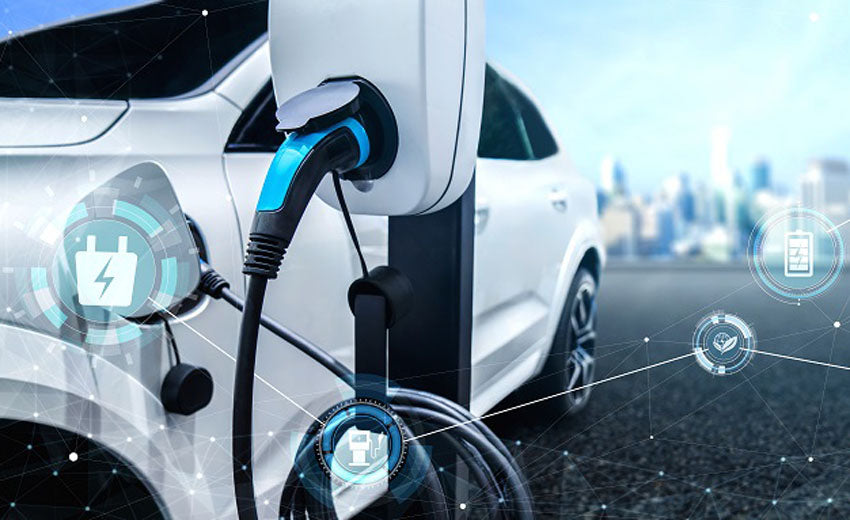

With the global emphasis on environmental sustainability, "EV charging stations" have become one of the key pillars in the rapid rise of new energy transportation. Electric vehicles are not only one of the best alternatives to traditional internal combustion engine cars but are also a vital industry for reducing carbon emissions and protecting the planet. Today, let’s take a deep dive into the importance, advantages, types, and future trends of EV charging stations, and explore how these innovative technologies are changing our lives.
What are EV charging stations and why are they important?
An EV charging station, simply put, is the infrastructure that provides power replenishment for electric vehicles. It is similar to a gas station for traditional vehicles, except that the energy source for an EV charging station is electricity.
The importance of charging stations cannot be ignored, primarily reflected in the following:
- Supporting environmental and carbon reduction goals: With the global warming crisis intensifying, EVs have become a key tool for reducing CO2 emissions, and charging stations are the core backbone supporting their operation.
- Convenience and accessibility: As the EV market grows, the number and distribution of charging stations directly affect the user experience; convenient charging facilities can significantly increase EV adoption.
- A catalyst for technological upgrades: Charging stations not only support basic charging but can also integrate smart technologies to achieve vehicle-to-everything (V2X) connectivity and balanced utilization of green energy.
In the current transportation transformation, EV charging stations are the soul driving the development of new energy.
Key advantages and benefits of EV charging stations
Installing and using EV charging stations offers multiple advantages, which have a profound impact not only on owners but also on social environmental protection and energy utilization as a whole.
1. Conserving energy and reducing emissions to build a green environment
The widespread adoption of EV charging stations is of great significance. Compared to fuel-powered cars, EVs have almost zero emissions and can effectively reduce air pollution. Using green electricity to power charging stations can further lower the environmental impact of traditional power generation.
2. Improving the convenience of using electric vehicles
Whether in home garages, office parking lots, or public spaces, the layout of charging stations increases the coverage and usage frequency of EVs. Through fast-charging technology, owners can complete charging in just tens of minutes, completely solving range anxiety during travel.
3. Long-term economic returns
With policy subsidies and changes in energy prices, installing EV charging stations is a good long-term investment for property owners. In addition to saving on fuel costs, home charging facilities can also optimize economic benefits by leveraging electricity price fluctuations.
4. Supporting smart city development
As charging technology advances, more and more charging stations are integrating data analytics, mobile payments, and energy management. These smart features not only improve the user experience but also lay a solid foundation for building smart cities.
Types of EV charging stations
Choosing the right charging station is crucial for every EV owner. However, there is a variety of charging stations on the market, which can be mainly divided into the following categories:
-
Slow Charging Station (AC Charging)
Suitable for homes or office parking spaces, using basic AC power. While charging takes longer, the cost is low. This is an ideal choice for owners who use their EVs frequently for daily commutes. -
Fast Charging Station (DC Charging)
Can significantly boost battery levels in a short time. Typically used in highway service areas or urban public charging facilities, providing convenience for vehicles with long-distance travel needs. -
Ultra-Fast Charging Station
Equipped with the most advanced charging technology, capable of fully charging an EV in just 10-20 minutes. This is becoming the future trend, especially in the high-end user market. -
Wireless Charging Station
Uses induction technology to charge without inserting cables. Although the technology is not yet fully popularized, it offers infinite possibilities for convenient future travel.
Future trends in EV charging technology
The EV charging industry is upgrading rapidly, and the following trends will undoubtedly influence its future:
1. Intelligence and data application
In the future, charging stations will more widely integrate IoT technology to form a charging network. Stations will be able to provide personalized recommendations based on user driving habits and utilize data analytics for energy distribution.
2. Use of green energy and energy storage technology
Charging stations integrated with solar panels or wind power will become increasingly common, achieving full-scale application of low-carbon energy. At the same time, battery energy storage systems can support power supply during peak hours and stabilize energy prices.
3. Popularization of ultra-fast charging technology
Given the time cost for users, market demand will drive the full-speed development of higher-power ultra-fast charging technology. In the future, charging will be as fast as refueling, or even more convenient.
4. Innovation in wireless charging technology
Whether it's charging while parked or real-time charging while in motion (such as on highways), the application of wireless technology will change the game for the transportation industry.
Conclusion
EV charging stations are not only an important bearer of the energy revolution; they also affect every aspect of our lives. From choosing the right charging station to enjoying a smart charging lifestyle, every small decision brings us one step closer to a green future.
Are you interested in EV charging stations or any related technology? We welcome you to interact with us in the comments section, share your thoughts or ask questions, and discuss the bright future of the new energy vehicle industry together! Your response is part of driving change; let’s work together to create a cleaner planet!
Related Reading:
https://linko.shop/products/charging-cable-evlink-5m-32a-3-phase-t2-connector-at-each-end-of-cable
https://linko.shop/collections/schneider-charge
Related Keywords:
EV Charging|EV Charger|Charging Standard|Electric Private Car|EV Charging Station|Public Charging Station|Charging Facility|EV Charging Installation|Fast Charging|Charging Power
FAQs
Is an AC slow charging station at home sufficient?
AC slow charging stations use AC power. While charging takes longer, the cost is low, making it an ideal choice for home or office parking spaces for owners who use their vehicles for daily commutes.
What is the difference between fast charging and ultra-fast charging?
DC fast charging stations can significantly boost battery levels in a short time and are common in highway service areas and public facilities; ultra-fast charging stations can fully charge a vehicle in just 10 to 20 minutes, which is the future trend.
Where to buy EV charging products in Hong Kong?
You can choose AC or DC charging solutions based on your usage habits and parking environment. LINKO Shop (linko.shop) offers Schneider Charge products and charging cables in stock, with official Hong Kong distribution.
