
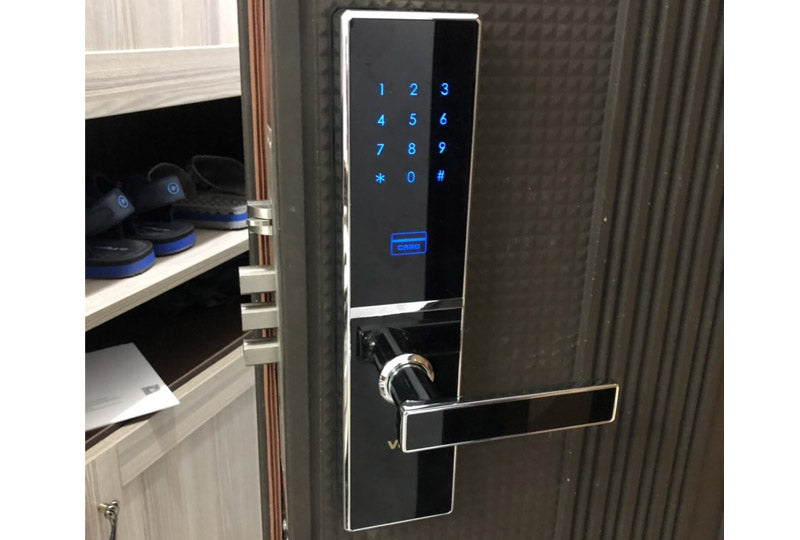

Are smart locks worth the investment? Understanding their security and convenience
With the rapid advancement of technology, our daily lives are filled with various smart solutions, and the smart lock is one of the most widely recognized innovations. Whether you are looking to enhance home security or prioritize convenience, a smart lock might be your best choice. But the question remains: are smart locks really worth the investment? This article will guide you through the pros and cons of smart locks to help you make an informed decision.
What is a smart lock?
A smart lock is a locking device that uses digital technology to replace traditional keys. Common unlocking methods include fingerprint recognition, PIN codes, RFID cards, and even control via Bluetooth or WiFi using a mobile app. This high-tech lock not only brings more convenience to life but also provides a new layer of security protection.
Definition of a smart lock
A smart lock combines electronic technology with intelligent security, offering multiple unlocking methods to provide users with greater convenience and security. Common methods include fingerprint scanning, PIN entry, proximity cards, tags, physical keys, and app control (via Bluetooth or WiFi). These diverse methods not only increase flexibility but also eliminate the hassle of forgetting your keys. Smart locks come in various designs, from push-pull to traditional styles, to meet the needs of different households.
Disadvantages of traditional locks
While traditional locks have a long history, their drawbacks cannot be ignored. Firstly, security is a major concern. Traditional locks are susceptible to picking, and keys are easily duplicated, both of which threaten home security. Additionally, the limitations of using traditional locks are frustrating. Being restricted to a physical key means that losing or forgetting your keys causes significant inconvenience in daily life.
Security issues with traditional locks
The security risks of traditional locks mainly stem from their vulnerability to picking and the ease of key duplication. These issues make traditional locks struggle to keep up with modern security requirements. Whether for residential or commercial properties, these flaws can lead to property loss and personal safety threats.
Limitations of traditional locks
The main limitation of traditional locks is the reliance on physical keys. Forgetting or losing a key is a common occurrence, which is not only time-consuming but can also result in extra costs to regain entry. Furthermore, traditional locks cannot provide modern features like remote access or temporary passwords, significantly reducing their convenience.
Key advantages of smart locks
1. Enhanced smart home security
The security of a smart lock is one of its most notable features. Here are several security advantages compared to traditional locks:
-
Anti-picking design: Many smart locks are equipped with anti-picking alarm functions; if anyone attempts to tamper with the lock, an alarm will trigger immediately.
-
Dynamic passwords: Some models support dynamic or masked PINs to prevent others from peeking or memorizing your code.
-
Real-time notifications: Through a connected app, many smart locks can notify the user instantly when the door is operated, further enhancing peace of mind.
2. Ultimate convenience for smart homes
Smart locks offer superior convenience for daily use:
-
No need for physical keys: Never worry about forgetting or losing keys again; unlock easily with your fingerprint or smartphone.
-
Temporary guest passwords: For example, if friends, family, or housekeepers need to enter, you can generate a temporary password remotely without being present.
-
Integration with smart home systems: Some smart locks can sync with other smart devices, such as turning on indoor lights or air conditioning upon entry.
3. Access logging
Smart locks usually log usage, allowing you to review daily entry records and see exactly who enters your home and when, whether it's family members or visitors.
Potential challenges of smart locks
Despite their many advantages, there are some challenges to consider.
1. Reliance on power
Smart locks require batteries or a power source to operate. If power runs out or a failure occurs, you may be unable to unlock the door. However, most smart locks provide low-battery alerts well in advance.
2. Digital security concerns
Because smart locks rely on digital technology, they may be vulnerable to hacking. When purchasing, always choose products from reputable brands that use high-level encryption.
3. Higher cost
Compared to traditional mechanical locks, the initial purchase price and installation costs for smart locks are generally higher, which may be a barrier for some users.
How to choose the right smart lock?
When selecting a smart lock, consider the following:
1. Identify your needs
Choose features based on your specific requirements. For instance, if the goal is convenience for family members or tenants, look for locks with remote password management. If security is the main priority, focus on anti-picking and alarm functions.
2. Choose reputable brands
There are many brands on the market; it is recommended to select well-established, market-tested brands such as Samsung, August, or Yale to ensure product quality and after-sales service.
3. Compatibility and design
Ensure the smart lock is compatible with your door type, and consider whether the aesthetic design complements your home style.
4. Evaluate costs and after-sales support
Beyond the initial cost, consider future maintenance expenses and the warranty/support provided by the brand, such as the warranty period or the ease of obtaining replacement parts.
Lifespan of smart locks
The lifespan of a smart lock depends on usage and maintenance. Generally, a smart lock lasts about 5 to 10 years. Regular maintenance and proper usage can extend this lifespan. Smart locks are designed with long-term use in mind and include low-battery warnings to ensure users can replace batteries before they run out, preventing lockout situations.
Lifespan of mechanical locks
The lifespan of a mechanical lock core also depends on usage and care, generally lasting about 5 to 10 years as well. Similar to smart locks, regular maintenance and proper operation extend their life. While mechanical lock cores are typically robust and durable, they still require periodic checks and lubrication to ensure smooth operation.
By following this structured approach, the new sections seamlessly integrate into the existing article, providing comprehensive information while maintaining a consistent tone and style.
Who are smart locks for?
Smart locks are not just for the luxury market; they are suitable for ordinary families, rental apartments, and Airbnb owners looking to improve security and convenience. They are an especially attractive investment for tech enthusiasts or those who value a smart lifestyle.
Time to upgrade your front door!
The convenience and security of smart locks are definitely worth considering, especially if you want to simplify your daily life and enhance home safety. If you are looking for a more efficient and modern solution, a smart lock may be the perfect choice.
Start exploring a smarter lifestyle! Click https://linko.shop/ to choose the right smart lock and add value to your home’s security and convenience.
https://linko.shop/blogs/智能情報/2022-smartdoorlock-budget5000
https://linko.shop/blogs/智能情報/5-philips-702e-9300-9200-alpha-7300-smart-doorlock
https://linko.shop/blogs/general/電子門鎖值得投資嗎-帶您了解其安全性與便利性
Smart Lock | Intelligent Lock | Smart Door Lock | Smart Home
FAQ
Will I be locked out if the smart lock runs out of battery?
Most smart locks provide battery low warnings well in advance, so you won't suddenly run out of power. As long as you pay attention to the alerts and replace the batteries promptly, you can use them with peace of mind.
How many years does a smart lock last?
Generally, a smart lock lasts about 5 to 10 years, similar to a mechanical lock. Regular maintenance and proper usage can extend its lifespan. When purchasing, pay attention to the brand's warranty and after-sales service.
Where is the best place to buy a smart lock in Hong Kong?
It is recommended to choose well-known, market-tested brands like Yale or Samsung, and ensure the lock is compatible with your door type. LINKO Shop (linko.shop) offers a wide range of in-stock smart locks with official Hong Kong distribution.
