
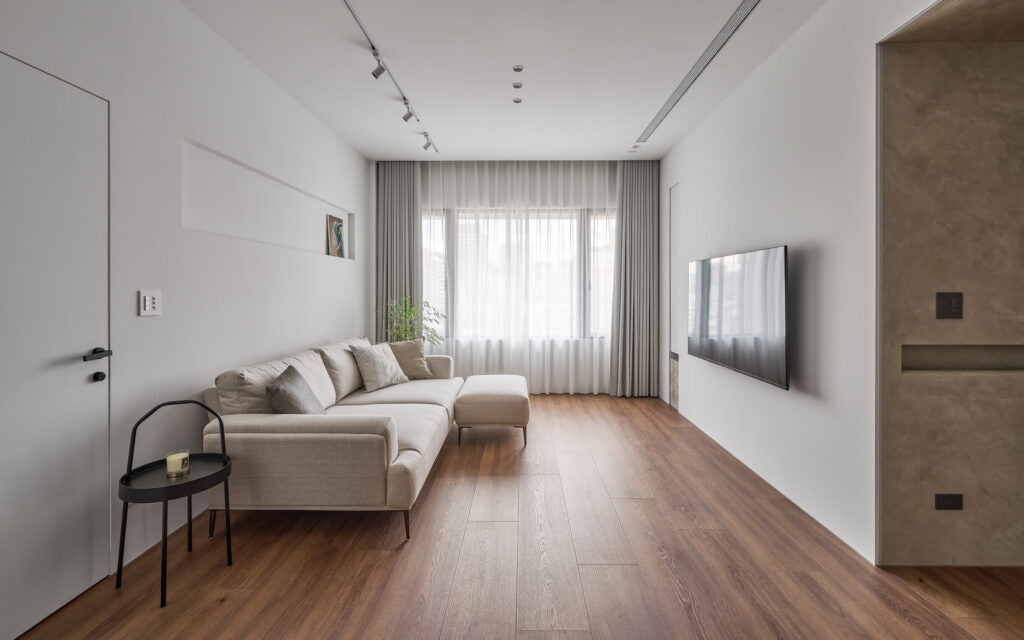

In modern home design, Mid-Century Modern style has attracted an increasing number of families seeking personality and taste with its unique charm and sense of story. Imagine returning home every day to step into a space filled with a sense of history, where every piece of furniture and decor tells a tale of the past. However, many people overlook the importance of lighting in a Mid-Century home. Lighting is not just a tool for illumination; it is a key element for setting the mood and enhancing the aesthetics of a space.
The Importance of Lighting in Mid-Century Style
In a Mid-Century space, the design and layout of lighting can profoundly influence the overall atmosphere. Through a rational lighting plan and the clever design of artistic fixtures, light can create soft transitions within the space, adding depth and layering. By using a combination of pendant lights, wall lamps, and floor lamps, different light sources can illuminate various corners of the room, avoiding a sense of monotony.
For example, pendant lights serve as the main light source for overall illumination, while wall lamps and floor lamps add soft accents to specific areas. Imagine light filtering through plant leaves, casting natural patterns of light and shadow onto the walls or ceiling; this dynamic interplay not only increases the artistic quality of the space but also infuses the Mid-Century style with a touch of nature and vitality.
Material Selection and Fixture Design
In Mid-Century design, the choice of materials for lighting fixtures is crucial. Materials like brass, frosted glass, wood, and ceramic not only bring a visual retro aesthetic but also convey the textured beauty of time. Brass fixtures emit a warm reflection under the light, complementing Mid-Century wooden furniture perfectly. Frosted glass softens the light, preventing the harsh glare of direct illumination and making the space feel more cozy.
Lighting fixtures are not just tools for illumination; they are ornaments and pieces of art for the space. For instance, a metallic pendant lamp can echo the style of leather sofas and wooden coffee tables in the home, adding a unique retro feel and layering to the room.
Common Lighting Design Pitfalls
When designing lighting for a Mid-Century space, many homeowners tend to fall into common traps. Here are a few points to note:
1. Choosing overly modern fixtures
Some believe that modern designs can bring a fresh look to the style; however, overly modern fixtures often disrupt the retro ambiance. It is recommended to choose designs with a strong sense of period to balance fashion and retro elements.
2. Choosing the right color temperature
While cool white light is bright, it easily strips the space of its warmth. Mid-Century style is better suited to soft, warm lighting, which creates a more comfortable and cozy living environment.
3. Neglecting the practicality of fixtures
Many people pursue aesthetics too much and ignore the actual function of the lighting. If a beautiful fixture cannot provide sufficient illumination, it will eventually impact the living experience. Therefore, when choosing fixtures, consider both aesthetics and functionality, especially in areas like the dining room or study where ample light is needed.
4. Excessive use of decorative lighting
Although decorative lamps add character, it is best to use them in moderation. Focusing on two or three artistic fixtures can achieve a look that is simple yet sophisticated, preventing the space from appearing cluttered.
The Soul of Lighting Design
Lighting design is the soul of a Mid-Century interior. Through rational lighting layouts and the selection of suitable artistic fixtures, we can not only illuminate a space but also give it brand-new emotions and stories through the play of light and shadow. The layering of light, the application of light-and-shadow art, and the matching of materials are all critical factors in enhancing the charm of a Mid-Century home.
If you are currently renovating or planning to do so, why not try these design tips? You will find that the magical power of lighting can bring new vitality and energy to your home.
Conclusion
In Mid-Century home design, lighting is not just a utility; it is a vital element for creating atmosphere and elevating aesthetic appeal. Through thoughtful lighting layouts and the choice of artistic fixtures, we can imbue home spaces with retro charm and warmth. We hope these suggestions help you avoid common mistakes during your renovation and assist you in creating a home space filled with stories.
Be sure to follow us, as we will continue to provide practical lighting design tips to help you create your perfect living space.
FAQ
Is warm or cool white light better for a Mid-Century home?
We recommend using soft, warm light. While cool white light is bright, it tends to make the space feel less cozy; warm light better creates the comfortable and inviting atmosphere typical of Mid-Century style.
What materials should I choose for Mid-Century lighting?
Brass, frosted glass, wood, and ceramic are all excellent choices. Brass provides a warm glow that pairs well with wooden furniture, while frosted glass softens the light to avoid glare.
Is it better to have more decorative lighting?
No. It is recommended to use them in moderation. Focus on two to three artistic fixtures, using a pendant light for primary illumination and wall or floor lamps for local accent, to prevent the space from looking cluttered.
