
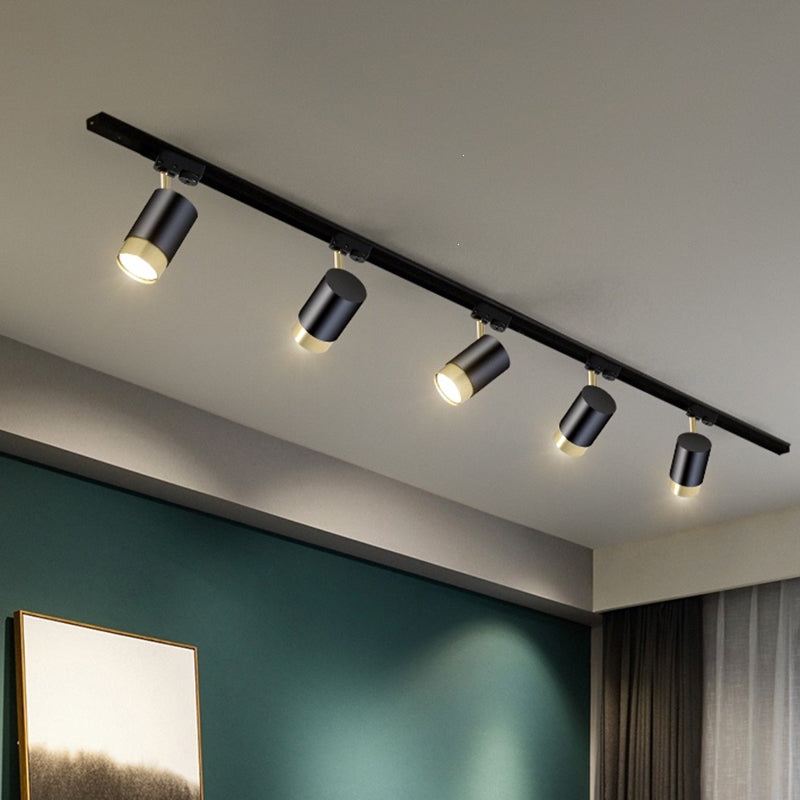
In modern interior design, lighting is more than just a functional element providing a light source; it is a vital means of enhancing a space's aesthetic appeal through artistic and functional effects. Lighting design encompasses various types of fixtures, such as downlights and spotlights, each with its own unique characteristics and application scenarios.
Whether in home renovation, commercial spaces, or exhibition design, spotlights have become stars of lighting design due to their diverse styles and excellent light-and-shadow performance. Today, we will take you through the various uses, key advantages, types, installation techniques, and future trends of spotlighting technology.
What is a spotlight? Why is it important?
A spotlight is a lighting device capable of providing a high-intensity focused light effect, making it an ideal choice for highlighting details in specific areas or on objects. Its adjustable light characteristics allow designers and users to easily control the direction of the light source, enhancing the layering and focus of a space. The importance of spotlights lies in:
-
Highlighting decorations and details: Spotlights provide focused illumination for artworks, furniture, or even architectural structures that need emphasis, such as gallery walls, display cabinets, or kitchen countertops.
-
Creating ambiance: Through the contrast between light and shadow, spotlights can shape indoor atmospheres that are cozy, dramatic, or highly modern.
-
Combining functionality and aesthetics: Spotlights are not only practical light sources but also essential elements for elevating the design depth and style of a space.
If you want to make your home design more attractive or improve the customer experience in a commercial space, spotlights are your perfect choice!
Key advantages of spotlights
Compared to other fixtures, spotlights have many commendable features. With the rapid development of LED (Light Emitting Diode) technology, their primary advantages—including high energy efficiency, a lifespan of up to 50,000 hours, and rich color—give you more reasons to understand the benefits of choosing spotlights:
Additionally, as energy-efficient lights, LED spotlights not only significantly reduce energy consumption but also decrease the frequency of bulb replacement, further saving costs.
1. **High-intensity focused lighting for accenting**
Spotlights can emit highly concentrated light beams, making them particularly suitable for accent lighting on display items or in special scenes. For example, in a living room, a spotlight can focus on an artwork on the wall, adding a greater sense of design depth to the space.
2. **Energy-saving and eco-friendly LED choices**
With the advancement of LED lighting technology, more spotlights on the market use energy-efficient LED bulbs. They not only have low power consumption but also long lifespans, significantly reducing replacement and maintenance costs. Not only do they save money, but they are also environmentally friendly!
3. Flexible installation and high adaptability
Whether installed on ceilings, walls, or floors, spotlights can easily integrate into various space designs. Installation methods are diverse, including track mounting, point mounting, or recessed mounting, making them flexible for use in various environments. You can also adjust the direction and intensity of the light according to your needs to achieve the ideal lighting effect.
4. Enhancing design aesthetics
The design and installation methods of spotlights are often minimalist yet stylish, bringing a modern and sophisticated feel to interior spaces. Installing spotlights around a dropped ceiling not only enhances the overall aesthetic but also highlights the unique layering and vitality of home decor through clever light layout. For instance, recessed spotlights are completely hidden within the ceiling, providing a clean and crisp visual aesthetic.
5. **Diversified application scenarios for combined lighting**
Not limited to homes, spotlights are also widely used in commercial sectors, including retail stores, museums, galleries, or restaurants. Their flexibility allows them to meet various needs.
Types of spotlights
The selection of spotlights is diverse, providing solutions for different purposes and stylistic needs. Different types of fixtures, such as recessed lights and spotlights, each have their unique applications and installation options. The following are common types of spotlights:
Different types of spotlights have their own characteristics; for example, cold-light spotlights and track spotlights offer significant advantages in energy efficiency, lifespan, and aesthetics.
1. Recessed spotlights
These spotlights are embedded into the ceiling, with the fixture body hidden, taking up no extra space. They are perfect for interior designs pursuing a minimalist style and provide soft, glare-free lighting.
2. **Track spotlights**
Spotlights mounted on movable tracks can freely adjust their angle and position, making them ideal for display spaces that require high flexibility, such as art galleries or retail stores.
3. Pendant spotlights
These spotlights hang from the ceiling and are often used to increase the layering and visual focus of a space. Particularly when used above dining tables or bars, they can create warm and concentrated lighting effects. Bedside pendant lights can also provide soft illumination, adding to the bedroom's ambiance.
4. Wall-mounted spotlights
Wall-mounted spotlights are often used to decorate walls and are particularly favored by those with specific local lighting needs in home theaters or bedrooms.
5. Outdoor spotlights
Designed specifically for outdoor use, these spotlights are typically waterproof and dustproof, making them suitable for garden beautification, building facade lighting, or security lighting. They are often made of durable metal and anti-corrosive materials to ensure long-term use under various weather conditions.
Tips for installing spotlights
When choosing and installing spotlights, you need to consider spatial requirements and overall design style. Here are some practical tips to help you create the ideal lighting effect:
-
Plan the lighting layout: Before purchasing, think clearly about the purpose and distribution of the light sources, such as whether they are for functional lighting (e.g., a desk) or atmospheric lighting (e.g., a background wall).
-
Choose the appropriate tilt angle: Adjust the angle of the spotlights to avoid direct light into the eyes, which causes glare. The best angle is one where the light naturally highlights the object or area intended.
-
Use dimming functions: Install switches with dimming capabilities so that light intensity can be flexibly adjusted according to the scene—for example, using a soft mode for evening relaxation and increasing brightness for dining.
-
Combine with layered lighting: Integrate spotlights with other lighting fixtures to achieve a blend of main lighting, auxiliary lighting, and ambient lighting, creating a richer spatial effect.
-
Pay attention to safety regulations: If installing LED spotlights, ensure the compatibility between the fixture and the transformer, and have a professional electrician perform the work to ensure electrical safety.
Future trends in lighting technology
As one of the representatives of smart and energy-efficient lighting, spotlights are constantly welcoming technological innovation and future challenges:
The lifespan of LED fixtures can reach 50,000 hours, far exceeding traditional incandescent and fluorescent lamps, demonstrating the durability and efficiency of LED technology and making it the ideal choice for various lighting needs.
In home lighting design, lighting modes include general lighting, local lighting, and accent lighting. The correct selection and arrangement of these modes are crucial for achieving effective lighting and aesthetic results.
1. Smart lighting control
Through IoT technology, future spotlights will become more intelligent. Users will be able to use mobile apps or voice assistants to control switching, brightness, and color temperature, or even automatically adjust light to adapt to changes in indoor and outdoor environments.
2. RGB LED technology
More and more spotlights support full-color spectrum changes, allowing users to customize light colors according to the needs of different occasions—for example, romantic red or vibrant blue—seamlessly integrating into life scenarios. The versatility and aesthetic appeal of colored lights make them an important element in modern lighting solutions.
3. Energy-saving materials and design
Future spotlight designs will place greater emphasis on eco-friendliness and energy efficiency—for example, using recyclable materials for the housing and developing lower-power LED technology to improve energy utilization and make them "small but powerful."
4. Modularity and repairability
Spotlight designs will pay more attention to the convenience of future maintenance or bulb replacement. Users will no longer need to replace the entire fixture but will be able to easily perform localized repairs.
Welcome to share your thoughts!
The charm of spotlights lies not only in illumination but also in the enhancement of quality of life and spatial aesthetics. Whether you are renovating a new home, planning to remodel an old one, or simply curious about lighting technology, we welcome you to share your experiences and questions in the comments section! We look forward to discussing the infinite possibilities of spotlights in life, making every lamp the beginning of lighting up your dreams.
https://linko.shop/collections/smartlight
https://linko.shop/products/yeelight-pro-e20-spotlight-3inch-10w-36-嵌入式射燈
https://linko.shop/products/yeelight-pro-p20-sureface-mounted-track-light-series-明裝磁吸軌道燈系列-連接件
https://linko.shop/products/yeelight-pro-d20-spotlight-3inch-8w-80-嵌入式射燈
Related Keywords:
Spotlights
FAQ
How long do LED spotlights last?
LED spotlights can last up to 50,000 hours, far exceeding traditional incandescent and fluorescent lamps. Besides low power consumption, they also significantly reduce the cost of bulb replacement and maintenance.
What are the different installation methods for spotlights?
Common types include recessed, track, pendant, wall-mounted, and outdoor spotlights. Installation methods include track, point, and recessed mounting, which can be adjusted in light direction and intensity according to space needs.
Where can I buy LED spotlights in Hong Kong?
Before installation, it is recommended to check the compatibility between the fixture and the transformer and have the work done by a professional electrician. LINKO Shop (linko.shop) has Yeelight Pro recessed spotlights and magnetic track lights in stock (Hong Kong official products).
