
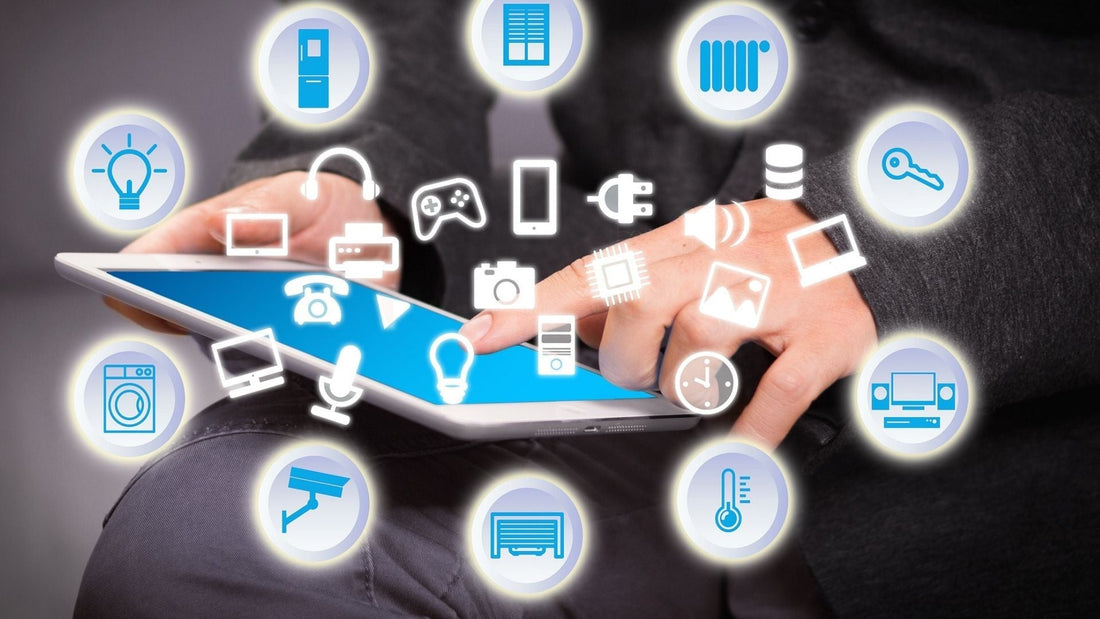
Technological progress is rapidly changing the way we live at home, and smart homes have become an indispensable part of a smart lifestyle. From automatic curtains that can predict the weather to voice assistants that can converse with you, smart homes are bringing a revolution of convenience and efficiency to our households.
In this article, we will explore the future trends of smart homes, understand how these technologies can make our daily lives simpler and more efficient, and how to make your home smarter and more personalized.
How Smart Homes Change Your Life
What is a Smart Home?
Smart home systems use connected devices and automation technology to improve your home experience. These devices can connect to each other and be operated via mobile apps, voice control, or Artificial Intelligence (AI). For example, using Google Assistant or Alexa, you can easily control lights, adjust temperatures, or play your favorite music.
Smart living is gradually blurring the line between technology and daily life, making home automation possible.
Core Benefits of Smart Homes
- Convenience
Smart homes allow you to complete daily tasks with just a few taps on a screen or a voice command. Whether it's turning off lights or starting a robot vacuum, all these operations become much simpler.
- Energy Savings and Efficiency
Home automation devices can adjust energy consumption based on your behavior patterns, helping you save on energy costs. For example, a smart thermostat can learn your habits and only run when necessary, thereby lowering your electricity bill.
- Security
Smart doorbells, security cameras, and intrusion alarms can notify you of security risks in real-time, giving you greater peace of mind. For example, even when you are not at home, you can check who is at the door or monitor activities inside the house via your phone.
- Personalized Experience
Smart home devices provide tailored services based on your preferences, such as automatically playing your favorite music or adjusting to a comfortable room temperature when you return home.
Five Future Trends for Smart Homes
As technology continues to evolve, smart homes are developing in the following directions:
Trend 1: AI-Driven Home Automation
Artificial Intelligence is becoming the hub of the smart home, capable of predicting your needs and making self-adjustments. Future AI technology will not only follow instructions but will actively offer suggestions based on your behavioral patterns. For example, a refrigerator could keep track of your shopping list and automatically remind you to restock before ingredients expire.
Trend 2: Stronger IoT Connectivity
With the development of the Internet of Things (IoT), future smart home devices will feature better compatibility and connectivity. Seamless integration between multiple brands and devices will become more prevalent, making your home operating system more unified. For example, you can control lights, audio, and security systems all at once with a single touch.
Trend 3: Sustainable and Energy-Saving Solutions
Climate change and the global energy crisis have spurred the creation of more energy-efficient smart devices. For example, smart shower systems can recommend bath times based on water consumption, while solar-powered smart panels can continuously provide power to home devices. These innovative technologies not only save resources but also pave the way for an eco-friendly lifestyle.
Trend 4: Voice Technology and Natural Language Processing
Voice assistants have already become core components in many households, and future smart homes will further optimize voice technology to make interactions feel more natural. For instance, you will be able to interact with the system using phrases closer to daily conversation: "Set the room temperature to 22 degrees tonight and play some soft music."
Trend 5: Integration of Augmented Reality and Virtual Technology
Augmented Reality (AR) and Virtual Reality (VR) technologies will gradually be applied to smart living. For example, some smart devices will provide AR guidance to help you with DIY furniture assembly; others might offer virtual home design tools, allowing you to preview different room decoration styles.
How to Get Started with Your Smart Home System?
Looking to upgrade your home to a smart home? Here are a few simple steps:
- Determine Your Needs
Start by understanding your needs, such as a safer home environment, more convenient daily operations, or lower energy consumption.
- Choose the Right Platform
Choose a platform that is compatible with a wide range of devices, such as Apple HomeKit, Google Home, or Amazon Alexa. This ensures smooth cooperation between your devices.
- Purchase Entry-Level Devices
Start with basic smart bulbs and smart plugs, gradually integrate these devices into your life, and upgrade to more high-end devices once you have gained experience.
- Installation and Configuration
Most smart home devices support DIY installation, but you can hire professionals if you need help with the setup.
- Stable Internet Connection
Since smart homes rely on the internet to operate, ensuring you have a stable Wi-Fi network is key.
- Regular Updates and Maintenance
To ensure safety and proper functionality, remember to update device firmware regularly and look for upgrade options for outdated devices.
Smart Home: Not Just Technology, But a Lifestyle
Smart homes are becoming an important part of modern life. They not only make your daily routine more convenient and efficient but also bring true personalization and security to your home through technology.
Seize the opportunity of this technological revolution and start your smart lifestyle now! If you are ready to upgrade your home, start exploring smart home devices immediately to experience the convenience and wonder of the future.
#ArtificialIntelligence #SmartDevices
Related Reading:
Related Keywords:
Smart Home|Smart Home Products
FAQ
What are the core benefits of a smart home?
There are four main benefits: more convenient daily operations, automated energy usage adjustments to save on electricity bills, enhanced security through smart doorbells and surveillance cameras, and personalized experiences based on individual preferences.
What is the first step to starting a smart home?
First, identify your needs (security, convenience, or energy savings), choose a platform compatible with multiple devices such as Apple HomeKit, Google Home, or Amazon Alexa, and start with entry-level devices like smart bulbs and smart plugs.
Where can I buy smart home devices in Hong Kong?
LINKO Shop (linko.shop) carries a wide range of smart home products in stock, offering official Hong Kong products ranging from entry-level smart plugs to whole-house smart solutions.
