
Why is it important to choose a secure door lock?
Door locks are a vital line of defense for every home, rented apartment, and even commercial space in Hong Kong. When we talk about home security or personal privacy, door locks are often the most overlooked yet crucial devices. Whether you are a homeowner, a tenant, or simply someone who takes security seriously, knowing how to choose the right door lock can significantly enhance your home's safety. In this article, we will explore different types of door locks, analyze their security features and unlocking methods, and help you make an informed choice.
Basic Types of Door Locks
1. Traditional Keyed Door Locks
Traditional keyed locks are the most common type of lock, including cylindrical locks and mortise locks. These locks are simple to operate and suitable for everyday needs.
Pros:
- Relatively low price and widely available.
- Reliable mechanical structure and easy to maintain.
Cons:
- Easily compromised by locksmith techniques (such as bumping or picking).
- Keys can be lost or duplicated.
2. User Password Locks
Password locks do not require physical keys; you simply enter the correct numerical combination to unlock them. Their keypad design is widely used in residential and commercial settings.
Pros:
- No need to carry keys, reducing the risk of loss.
- Passwords can be changed periodically, enhancing security.
Cons:
- If the password is leaked, it can create a security vulnerability.
- Keypads may wear out over frequent use, revealing frequently pressed digits.
3. Fingerprint Unlocking
A fingerprint lock is a high-tech unlocking method that uses a fingerprint scanner to verify the owner's identity. It provides both convenience and a modern feel.
Pros:
- Unique biological data with low probability of imitation.
- Fast unlocking without the need for keys or passwords.
Cons:
- Higher cost, with prices typically exceeding standard locks.
- The fingerprint reading mechanism may be affected by hot or cold weather.
4. Smart Door Locks
With the popularity of smart home technology, smart door locks are becoming an increasingly preferred choice. They combine multiple unlocking methods, from smartphone apps to Bluetooth, automatic sensing, and other multifunctional designs.
Pros:
- Remote control and real-time monitoring, allowing you to check the status of your lock at any time.
- Can be integrated with smart home devices (such as voice assistants).
Cons:
- Dependent on batteries or power supply; may be inaccessible if dead.
- Potential risk of network hacking.
How to choose a door lock based on wooden door needs?
Homeowners: Focus on Comprehensive Protection
For homeowners who own their entire residence, security and durability are the primary considerations. We recommend choosing advanced smart door locks or fingerprint/password locks with multi-layered protection. These locks not only provide convenience in daily life but also effectively prevent security threats.
Tenants: Lightweight and Easily Replaceable
Tenants often face short-term contracts and high mobility. For tenants, traditional keyed locks or electronic password locks are relatively more economical choices. Additionally, it is important to ensure that the lock can be easily restored to its original state upon moving out.
Individuals Focused on Privacy and Mobility
For this group, smart door locks with remote control functionality are undoubtedly the ideal choice. You can check the lock status in real-time via a smartphone app, giving you control over home security no matter where you are.
How to improve the security of a smart lock?
1. Regular Inspection and Maintenance: Even the strongest door lock may require inspection and parts replacement after long-term use.
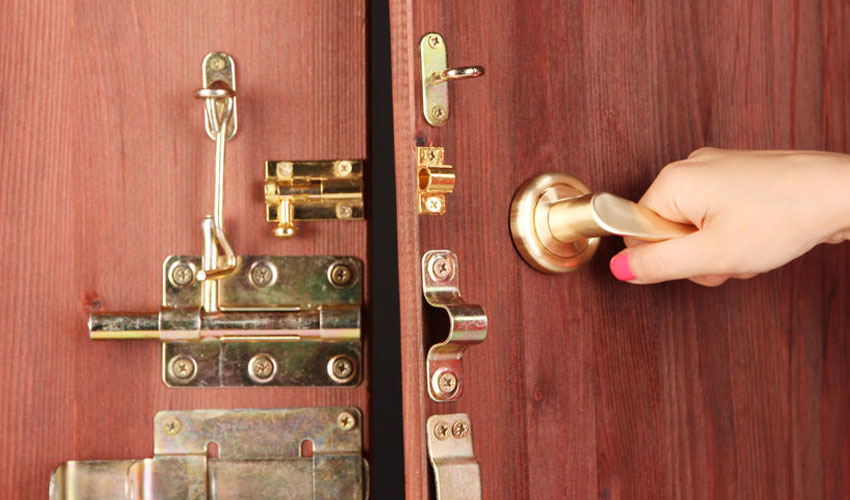
2. Multi-layered Protection: Consider adding door bolts or chains on top of the door lock to further enhance security.
3. Choose High-Quality Brands: Purchasing door locks from well-known brands not only ensures quality but also makes it easier to obtain after-sales support later on.
4. Avoid Installation on Fragile Doors: Even if the door lock is strong, if the door material is easily damaged, there will still be security vulnerabilities.
Conclusion: Choosing the Best Door Lock for You
The most important point when choosing a door lock is to decide based on your actual needs and lifestyle habits. Whether you are looking for affordability, technological convenience, or top-tier anti-theft functionality, there is an option for you. Don't forget to regularly check and maintain your lock to ensure long-lasting home security!
Start your security upgrade journey! If you need more professional guidance or advice, please contact the expert team at Linko.Shop, and we will find the most suitable solution based on your needs.
#ElectronicDoorLock #MainDoorLeverLock #yale #samsung
Related Reading:
Related Keywords:
Smart Door Lock|Electronic Door Lock|Space Gray|amazon alexa|wi fi
FAQ
Which door lock is the safest?
There is no single answer, as it depends on your needs: homeowners who focus on comprehensive protection can choose high-end smart door locks or fingerprint/password locks with multi-layered protection. Traditional keyed locks are lower in price and easier to maintain, but they are easily compromised by bumping or picking, and keys can be lost or copied.
Will I be unable to open the door if the smart lock runs out of battery?
Smart locks rely on batteries or power; if they run out of power, they may become unusable. Therefore, it is recommended to regularly inspect and maintain them, replace parts in a timely manner, and consider installing door bolts or chains on top of the lock for an extra layer of protection. The door itself must also be sturdy enough to avoid security gaps.
Is it suitable for tenants to install electronic door locks?
Tenants often face short-term lease periods and frequent moving. Traditional keyed locks or electronic password locks are relatively more economical choices. Remember to select models that can be easily restored to their original state upon moving out. For professional advice, LINKO Shop (linko.shop) offers in-stock items with official Hong Kong distribution.
