
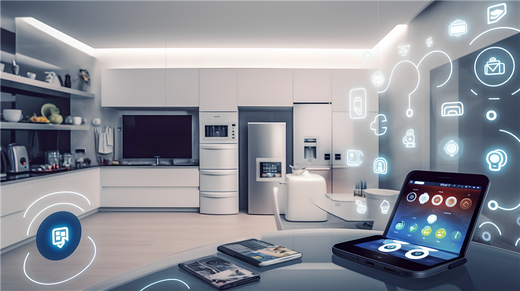
In today's era of rapid technological development, smart homes are no longer an unattainable dream. This article aims to provide Hong Kong users with a beginner's guide to smart homes, helping newcomers understand how to use smartphones and tablets to control household devices. With the popularity of platforms like HomeKit, more and more people are starting to explore how to transform their homes into smart homes. Today, drawing on the experience of Simon from OpenFace, we will take an in-depth look at the key points to consider when designing a smart home, as well as the best choices when selecting lighting accessories.
What is a smart home?
A smart home refers to the use of advanced technology to connect, integrate, and automate various facilities and systems within the home, making the living environment more convenient, energy-efficient, comfortable, and secure. Through a smart home system, users can centralize devices such as lighting, air conditioning, televisions, audio systems, and door locks into a single control center. Whether at home or away, you can remotely control them at any time via a mobile phone, tablet, or voice assistant. These smart devices can collaborate with each other, automatically adjusting their operation modes based on the user's habits to enhance the level of intelligence in the home system. As smart home technology becomes more widespread, an increasing number of Hong Kong families are beginning to experience the convenience and comfort that smart homes bring, moving their daily lives into a whole new realm.
A Redesigned Smart Studio
In the video, Simon mentioned that they moved into a new studio earlier this year and redesigned all their HomeKit devices. This redesign was not only for aesthetic purposes but also to improve work efficiency and quality of life. Simon emphasized that the core of a smart home lies in the collaboration between devices; whether it is HomeKit itself, or HomeBridge and Home Assistant, the goal is to achieve greater automation and convenience.
Smart Home Basics and DIY Solutions
For beginners just getting started with smart homes, a DIY solution is an ideal starting point. This approach allows you to gradually purchase and install various smart home products according to your own needs and budget, building a smart home system that is uniquely yours. Common beginner smart home products include smart light switches, smart plugs, and smart door locks. These products are easy to install, practical in function, and suitable for beginners to set up themselves. You can start with a smart light switch or a smart plug to experience the convenience of controlling your home lights and appliances with a phone or voice assistant, and then gradually expand to more devices. A DIY approach not only allows you to flexibly choose the right products but also lets you upgrade your system at any time as your lifestyle needs change, allowing you to enjoy the fun and convenience of a smart home.
Choosing Lighting Accessories
In a smart home, lighting accessories are undoubtedly among the most common devices. Lighting is part of a broader category of smart home devices that also includes curtains, home appliances, and security systems, all of which can be managed centrally through the same platform. Simon mentioned that more than half of the smart devices in their studio are lighting. This means that choosing the right lighting accessories is crucial to building an efficient smart home.
The Difference Between Traditional and Smart Lighting
Simon categorizes light fixtures into traditional and smart. Traditional fixtures cannot connect to a smart system, while smart fixtures can have their color temperature and brightness adjusted at will, or even change colors. This allows smart lighting to add more ambiance to the living environment and improve quality of life. It is worth noting that smart lighting is a type of smart product that typically supports remote control and multi-platform integration, making it convenient for users to expand their home's intelligence as needed.
In their studio, Simon and his team chose some traditional light fixtures to match the decor and used smart switches or module controllers to integrate them into the HomeKit system. In this way, they not only preserved the aesthetic appeal of traditional lighting but also enjoyed the convenience provided by the smart home setup.
Applications of Smart Lighting
In different areas of the studio, Simon used a variety of smart lights. For instance, on the coffee table in the lounge area, they installed Eli Pro smart lights. These lights can be adjusted for brightness and color temperature via Siri voice control, allowing users to easily adjust the lighting through voice commands, enhancing operational convenience and creating a comfortable environment. These smart lights use Wi-Fi for network control, making remote and automated management more convenient. Furthermore, Simon also mentioned the lights installed in the storage area, which automatically turn on upon entry, improving convenience.
Selecting and Installing Smart Light Switches
Smart light switches are one of the most popular choices for smart home beginners. There are many well-known brands on the market, such as TP-Link Tapo and Philips Hue, offering smart light switches with different functions and price points, making it easy for users to make a choice based on their budget and needs. Smart light switches can not only be controlled remotely via a mobile app, but they can also adjust brightness and color temperature, and even support automation functions like IFTTT, making home lighting more flexible. When installing a smart light switch, it is recommended to first check the compatibility of the existing switch and follow the steps in the manual to ensure safety and stability. If you are not familiar with electrical work, you may consider hiring a professional. Choosing the right smart light switch can upgrade your home lighting to intelligent control, allowing you to experience the convenience and comfort of a smart home.
Bridges and Smart Home Infrastructure
When building a smart home system, a bridge is one of the essential pieces of infrastructure. The main function of a bridge is to connect smart devices from different brands and with different communication protocols, managing and controlling them in a unified way to make the entire home system run more smoothly. Common bridges support various language standards such as Wi-Fi, Bluetooth, and Zigbee, allowing for flexible connection of various smart devices. When choosing a bridge, it is recommended to select a product with high compatibility and strong stability based on your current devices and future expansion needs. A bridge not only enhances the stability and security of the smart home system but also acts as the intelligent control center for the home, allowing you to easily manage all your smart devices and achieve a truly connected whole-home living experience.
Applications of Smart Door Locks
A smart door lock is an essential security device in modern smart home systems. It not only improves home security but also provides great convenience to the user. With a smart door lock, you can easily unlock the door using a mobile app, a voice assistant, or a passcode, eliminating the need to carry traditional keys and making entry and exit more convenient. Most smart door locks on the market currently support Wi-Fi or Bluetooth connectivity, and some models can even be integrated with smart home platforms like Apple HomeKit or Google Home to enable voice control and automated scene settings. For example, you can set the door to lock automatically at a specific time every day, or lock it automatically when no one is home, further improving home security. When purchasing a smart door lock, it is recommended to pay attention to product safety certifications, compatibility, and installation methods to ensure seamless integration with your home system, making your home life safer and smarter.
The Power of Automation
The charm of a smart home lies in automation. Simon shared how they used human presence sensors to achieve automatic lighting control. In addition to human presence sensors, sensors and smart detectors also play an important role in automation and alarm systems. Smart sensors can integrate functions like access control, lighting, and security monitoring, further enhancing home automation and safety. Selecting the right smart home equipment can further improve family security and convenience. These sensors can detect whether a person is in a certain area and keep the lights on even when they are stationary, which is very useful for situations where you stay in a space for a long time.
For example, in the storage room, when someone walks into the left area, the lights turn on automatically, and they turn off automatically after leaving. This automated design not only improves convenience but also effectively saves energy.
Applications of Smart Buttons
In addition to lights and sensors, Simon also mentioned using smart buttons to solve the problem of inconvenient traditional switch locations—for example, when switches are hard to reach or laid out poorly. Smart buttons can effectively solve these issues. These buttons can have custom functions, allowing users to easily control lights and other devices without needing to use a phone or voice assistant. This design not only enhances convenience but also makes smart home operation more intuitive.
Smart Home System Security
As smart home systems become increasingly popular, security is an important issue that every user cannot ignore. Since most smart home products connect via the internet—whether it's Apple HomeKit, Google Home, or other systems—there is a potential risk of hacker attacks or data leaks. Therefore, choosing a safe and reliable smart home platform is crucial. Well-known platforms like Apple HomeKit and Google Home typically provide multi-layer encryption and strict permission management to protect your home devices.
In addition to choosing secure smart home products, daily system maintenance should not be overlooked. Regularly updating your smart home system and related apps can effectively patch potential vulnerabilities and reduce the chance of intrusion. At the same time, setting strong and unique passwords, enabling two-factor authentication, and reasonably assigning control permissions to each family member are all good ways to improve home security. As long as these basic measures are taken, the risk of your smart home system being attacked can be greatly reduced, allowing you to enjoy the convenience and comfort of a smart life with peace of mind.
Smart Home Trends
The development of smart homes is moving toward a higher level of intelligence, automation, and personalization. Future smart homes will not just be simple remote controls; they will combine cutting-edge technologies like artificial intelligence, the Internet of Things, and big data, allowing the home system to proactively learn your lifestyle habits and automatically adjust various devices to create a personalized smart life experience. For example, a smart home could automatically adjust lighting and temperature based on your schedule, or even optimize energy usage based on the weather and energy prices, truly achieving energy efficiency and environmental protection.
Furthermore, the application scenarios for smart homes are constantly expanding, from the initial lighting and audiovisual equipment to health monitoring, educational assistance, entertainment interaction, and many other fields. These trends not only improve the convenience and comfort of the home but also promote sustainable development, making smart homes an indispensable part of modern families. With technological progress, future smart homes will be more closely aligned with everyone's needs, achieving a truly personalized home life.
The Importance of Professional Planning
Simon emphasized that for those who are unfamiliar with smart homes, seeking professional help is very important. They chose Javis Technology to assist in the planning and installation of their smart home system, ensuring the compatibility and optimal performance of all devices. Professional planning not only lowers the entry barrier but also helps users customize smart home solutions based on their lifestyle habits and needs. Choosing a reputable brand is also crucial for product durability, integration, and after-sales service, which enhances the overall user experience and provides peace of mind.
Smart home beginners should understand during the planning stage that smart homes involve a variety of functions and products, including the integration of smart appliances and various electrical items. Planning requires considering technical details such as smart infrared remotes, gateways, language standards, and bridges. A gateway acts as a bridge when connecting smart devices with different communication protocols (such as Zigbee, Bluetooth, and Z-Wave), integrating these devices into the Wi-Fi network to ensure the system runs stably.
Users can choose to DIY their own installation and setup, or seek professional installation services, with both having their own advantages in flexibility and convenience. Different smart home brands have unique features in terms of functionality, compatibility, and price. For example, high-end smart home brands usually provide more comprehensive customization, system compatibility, and a high-quality experience, while entry-level brands are more economical. It is recommended to choose the most suitable smart home brand based on your own needs, budget, and future expansion considerations.
Additionally, Amazon Alexa and Google Assistant are currently mainstream voice assistant platforms, each integrated into various smart devices and used to control home appliances through applications like the Google Home App. Regardless of which platform you choose, an internet connection is the key to ensuring the system operates stably.
When planning and installing a smart home, interior design and renovation companies also play a key role. Choosing an experienced renovation company can assist users with professional wiring, device installation, and integration, improving the overall engineering quality and reliability, and ensuring the long-term stable operation of the smart home system.
Future Outlook
Looking ahead, the potential for smart home development is infinite. With continuous technological progress, smart homes will further integrate into our daily lives, becoming an important assistant for improving quality of life. Future smart homes will not only pay more attention to user experience and personalized needs but will also combine more innovative technologies, allowing every family to enjoy a dedicated smart living space.
At the same time, the development of smart homes will also promote sustainable social development and technological progress—from energy saving and carbon reduction to intelligent health management, the applications of smart homes will become increasingly widespread. However, as smart homes become more popular, security and privacy protection will also become a focus of public concern. In the future, only through the joint efforts of users, enterprises, and the government can we ensure the safety and reliability of smart homes, allowing everyone to enjoy the wonderful life brought by technology with peace of mind.
Conclusion
In summary, building a smart home requires consideration of many factors, including the choice of lighting accessories, the design of automation, and professional planning. With the advancement of technology, smart homes will become the trend of future living. We hope that Simon's experience can help more people understand how to effectively design and realize their own smart home dreams.
If you are interested in smart homes or have any questions, you are welcome to leave a comment below to share your thoughts with us, or ask about any smart home functions or options you'd like to know! Don't forget to subscribe to our channel to get the latest information and tips on smart homes!
Frequently Asked Questions
Which products should I start with for a DIY smart home?
You can start with a smart light switch or a smart plug. They are easy to install, practical in function, and allow you to experience controlling lights and appliances with a phone or voice assistant, after which you can gradually expand to more devices like smart door locks.
What is a bridge? Why do I need one?
A bridge is responsible for connecting smart devices from different brands and with different communication protocols (Wi-Fi, Bluetooth, Zigbee) for unified management, making the entire home system run more stably. It is the infrastructure for a whole-home smart setup.
What should I pay attention to when installing a smart light switch?
It is recommended to first confirm the compatibility of your existing switch and follow the steps in the manual; if you are not familiar with electrical work, you can hire a professional to assist you. LINKO Shop (linko.shop) has many smart home products in stock, offering official Hong Kong products.
