
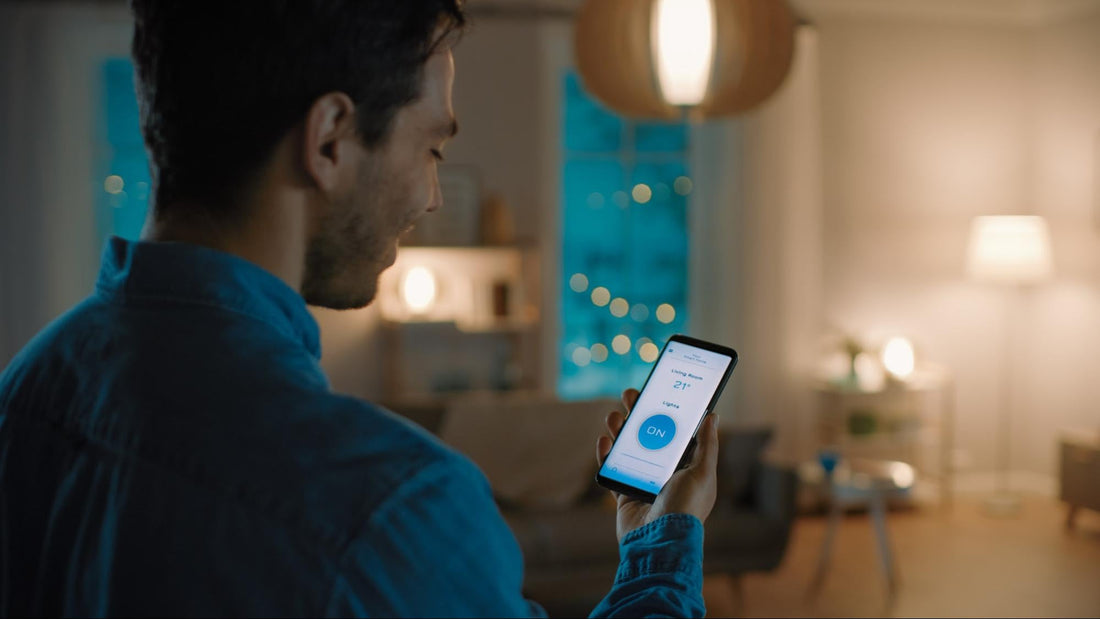
In recent years, the conversation surrounding smart homes has gained immense traction, and for good reason. As technology continues to evolve, integrating smart devices into our daily lives has become not just a luxury, but a necessity for many. If you find yourself wanting to lead a more convenient lifestyle—where you can effortlessly control your home environment—then exploring smart home technology may be the perfect solution for you. In this blog post, we will delve into various aspects of smart home systems, share insights from a recent YouTube video, and provide practical tips for anyone looking to improve their living space through smart technology.
Understanding Smart Home Technology
At its core, smart home technology refers to the use of internet-connected devices that allow homeowners to remotely manage and monitor their home environment. This can include everything from lighting and heating to security systems and appliances. The beauty of smart home technology lies in its ability to automate daily tasks, making life easier and more efficient.
Key Principles of Smart Home Design
When considering the implementation of smart home technology, two fundamental principles should be kept in mind: invisibility and usability.
-
Invisibility: Smart devices should blend seamlessly into your home environment. This means the technology should not be obtrusive or detract from the aesthetic appeal of your space. For example, sensors and smart switches can be installed discreetly to maintain the visual integrity of your home.
-
Usability: While some family members may be tech-savvy, others might be less comfortable with technology. Therefore, it is crucial to ensure that the smart home system is user-friendly and meets the needs of different tech proficiency levels in your household. This might mean retaining traditional light switches alongside smart controls for older family members who prefer familiar methods.
Smart Home Features to Consider
Smart Locks and Security
The first step in creating a smart home is upgrading your security system. Smart locks allow you to enter your home without traditional keys. Instead, you can use fingerprint recognition or facial recognition technology. Furthermore, smart locks can be programmed to provide temporary access codes for guests, thereby enhancing convenience and security.
Automated Lighting
Automated lighting is a game-changer for any smart home. By using motion sensors, lights can be programmed to turn on when someone enters a room and turn off when they leave. This not only saves energy but also adds a layer of convenience, especially in areas like hallways or bathrooms. For example, if you have a sensor that detects low light outside, it will automatically turn on your porch lights, ensuring you never have to fumble in the dark.
Climate Control
Smart thermostats can learn your heating and cooling preferences over time and adjust the temperature based on your habits. For instance, if you usually arrive home around 6 PM, the thermostat can start cooling or heating your home in advance, ensuring a comfortable environment upon your arrival. Some systems even allow you to control the temperature remotely via a smartphone app, providing flexibility and energy savings.
Smart Appliances
From refrigerators that notify you when you are low on groceries to washing machines that can be controlled from your phone, smart appliances are revolutionizing how we manage our households. These devices not only increase convenience but also help reduce energy consumption by optimizing their operations based on your usage patterns.
Home Automation Hubs
A central hub can simplify the management of all your smart devices. By connecting various devices to a single platform, you can create custom routines and automations. For example, you can set a "Good Night" routine that turns off all lights, locks the doors, and adjusts the thermostat with a single command.
Practical Tips for Implementing Smart Home Technology
Start Small
If you are new to smart home technology, it is wise to start small. Begin with one or two devices, such as smart bulbs or a smart speaker, and gradually expand your system as you become more comfortable. This approach allows you to learn the ins and outs of smart technology without feeling overwhelmed.
Choose Compatible Devices
When selecting smart devices, ensure they are compatible with one another. Many brands offer ecosystems that work seamlessly together, making it easier for you to manage your smart home. For example, if you choose a smart thermostat, consider pairing it with smart lights and locks from the same brand for a cohesive experience.
Prioritize Security
As with any technology connected to the internet, security is paramount. Ensure your smart devices have robust security features, such as two-factor authentication and regular software updates. Additionally, consider setting up a separate network for your smart devices to minimize the risk of unauthorized access.
Customize Your Experience
Take advantage of the customization options offered by smart home technology. Many devices allow you to set specific preferences and routines that suit your lifestyle. For example, you can program your smart lights to gradually brighten in the morning, simulating a natural sunrise to help you wake up more gently.
Conclusion
Integrating smart home technology into your living space can significantly improve your quality of life. By focusing on invisibility and usability, you can create a seamless and efficient environment that meets the needs of all family members. Whether you are looking to increase security, automate lighting, or optimize climate control, the possibilities are endless.
As you embark on your smart home journey, remember to start small, choose compatible devices, prioritize security, and customize your experience. With thoughtful planning and implementation, you can turn your home into a smart haven that not only meets your needs but also reflects your personal style.
For those interested in exploring more about smart home technology, consider checking out other resources and communities online. Engaging with like-minded individuals can provide valuable insights and inspiration as you explore the world of smart living. Happy automating!
Frequently Asked Questions
How should a smart home beginner get started?
It is recommended to start small, beginning with one or two devices such as smart bulbs or a smart speaker. Once you are familiar with the operation, you can gradually expand the system according to your needs, so it won't feel overwhelming.
What should I pay attention to when choosing smart home devices?
Ensure that the devices are compatible with each other; it is best to choose products from the same ecosystem for better integration. At the same time, prioritize security by choosing devices that offer two-factor authentication and regular software updates to reduce the risk of intrusion.
Where can I buy smart home products in Hong Kong?
LINKO Shop (linko.shop) has a wide range of smart home devices in stock with Hong Kong official warranty. You can gradually configure everything from smart locks and automated lighting to climate control products.
