
In recent years, the concept of the smart home has transitioned from a futuristic dream for many homeowners into a reality. With a multitude of options available, choosing the right smart home system can be overwhelming. In this blog post, we will explore key insights from a recent YouTube video that delves into a comparison between two of the most popular smart home ecosystems: Apple HomeKit and Google Home. We will break down their features, advantages, and limitations to provide you with the information needed to make an informed decision.
Understanding Smart Home Ecosystems
Smart home ecosystems allow users to control various devices in their home through a centralized platform. The most common ecosystems include Apple HomeKit, Google Home, Amazon Alexa, and several smaller brands. Each system has its unique features, compatibility, and user experience, so it is essential to understand what each has to offer.
Apple HomeKit: Quality Over Quantity
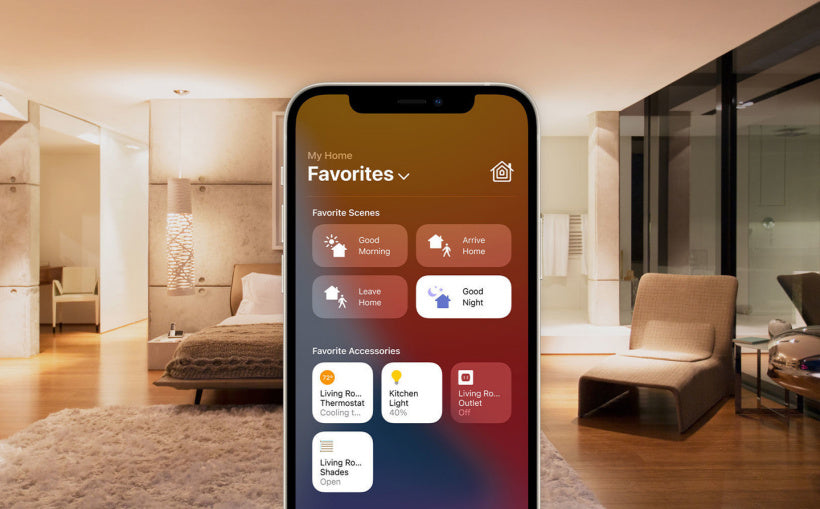
Launched in 2014, Apple HomeKit allows users to control smart home devices via Apple devices. One of the standout features of HomeKit is its focus on security and quality. Apple requires third-party manufacturers to use certified chips to ensure devices meet high standards of performance and security. However, this requirement results in higher costs and a slower rollout of compatible devices.
Despite these challenges, HomeKit has grown to support over 30 different types of smart home devices, including lighting, security systems, and cameras. The user interface is known for being intuitive and consistent, making it easy for Apple users to navigate and control their devices.
Google Home: Flexibility and Variety
In contrast, Google Home, launched in 2016, offers a more open ecosystem. Users can connect a vast number of devices—over 10,000 products—making it easier to find budget-friendly options. Google Home is compatible with both Android and iOS devices, offering greater flexibility in terms of device selection.
One of the main advantages of Google Home is its ability to integrate with a wide range of third-party brands, allowing users to control multiple devices from different manufacturers through a single app. This flexibility makes Google Home an attractive choice for those looking to build a diverse smart home setup.
Key Comparison: Apple HomeKit vs. Google Home
Device Integration
In a recent demonstration, the video showcased the process of integrating Yeelight smart bulbs into both Apple HomeKit and Google Home. The integration process for both systems is relatively simple, but the ability of Google Home to connect to a wider range of devices is evident. Users can easily find and link their Yeelight products, whereas HomeKit requires scanning a QR code and navigating through its app.
Voice Control Capabilities
Voice control is a key aspect of smart home systems, and the responsiveness of both the Apple HomePod mini and Google Nest mini was tested. Both devices performed commands such as playing music and controlling lights smoothly, demonstrating their effectiveness in understanding and processing user requests.
However, when it comes to specific commands, such as adjusting the brightness or color of lights, HomeKit demonstrated a more comprehensive range of options. Google Home, while responsive, faced limitations in adjusting colors, which could be a drawback for users seeking a more customizable experience.
Automation and Scene Setting
Setting up automation and scenes is another key feature for smart home users. The video highlighted how to create an "Afternoon Tea Time" scene in both ecosystems. In HomeKit, users can easily customize light and music settings, creating a seamless experience. Google Home also allows for the creation of scenes, but users encountered limitations when trying to adjust light colors.
This functional difference may impact users who prioritize detailed customization in their smart home setup. HomeKit’s ability to manage brightness and color adjustments in automated scenes gives it an advantage in this area.
Conclusion: Which System is Right for You?
After evaluating the features and performance of Apple HomeKit and Google Home, it is clear that each system has its pros and cons.
-
Choose Apple HomeKit if:
- You prioritize the security and quality of your smart home devices.
- You are already invested in the Apple ecosystem and want a seamless user experience.
- You value a user-friendly interface and detailed customization options for automation.
-
Choose Google Home if:
- You want a wider range of compatible devices available at various price points.
- You prefer flexibility and the ability to integrate products from multiple brands.
- You are looking for a system that works across both Android and iOS devices.
Conclusion: Finding Your Ideal Smart Home Solution
Ultimately, the best smart home system for you will depend on your specific needs, preferences, and existing technology. As the video highlights, there is no one-size-fits-all solution; instead, it is about finding a system that aligns with your lifestyle and goals.
If you are still unsure which ecosystem is best for you, consider visiting a local experience center where you can interact with different products and get personalized advice from experts. Hands-on experience with the technology can provide valuable insights and help you make a more informed decision.
In the rapidly evolving world of smart home technology, staying informed and being open to new possibilities will ensure you create a home that is not only smart but also tailored to your unique needs. Whether you choose Apple HomeKit, Google Home, or another system, the journey toward a smarter home is an exciting one. Happy smart home building!
Frequently Asked Questions
Which is better, Apple HomeKit or Google Home?
It depends on your needs: HomeKit prioritizes security and quality with a consistent interface and detailed automation customization; Google Home is compatible with over 10,000 devices, offering more choices, greater flexibility, and a wider price range.
Does Google Home support iPhone?
Yes. Google Home is compatible with both Android and iOS devices, whereas Apple HomeKit is primarily operated through Apple devices, making it suitable for users already invested in the Apple ecosystem.
Where can I buy products compatible with HomeKit or Google Home in Hong Kong?
LINKO Shop (linko.shop) offers a wide range of smart home products in stock, providing official Hong Kong versions, so you can select compatible smart devices based on the platform you are using.
