
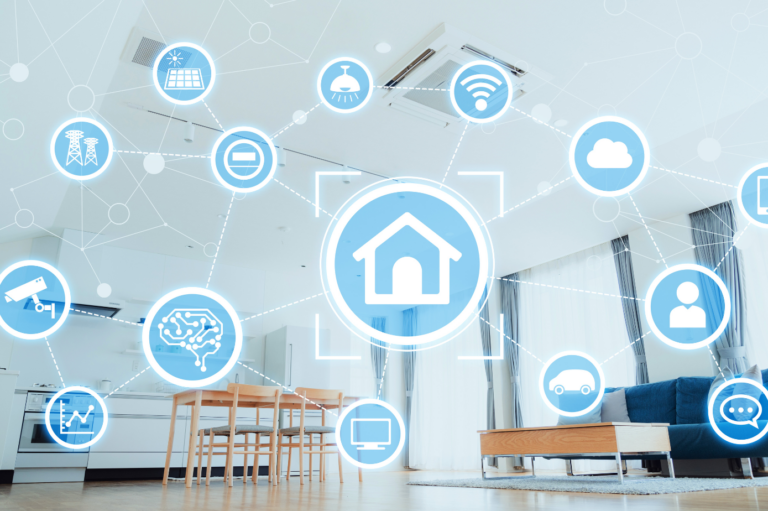
A smart home is a living environment that connects various devices and systems in the home through the internet and smart devices, enabling automation and remote control. It's more than just a simple network of connected home appliances; it's a comprehensive ecosystem that enhances the convenience and comfort of family life through data analysis and artificial intelligence. The core of a smart home lies in making family life more efficient, energy-efficient, and secure through intelligent management and control. In a smart home, users can monitor and control their home devices anytime, anywhere using devices such as mobile phones, tablets, or voice assistants. For example, users can remotely adjust the air conditioning temperature while away from home or turn on lights and music before returning home to create a warm atmosphere. With the development of IoT technology, the application scenarios of smart homes are becoming increasingly diverse, covering nearly every aspect of family life, from smart lighting and smart security to smart appliances.
summary
- Smart home refers to a system that uses the Internet of Things, sensors and smart devices to achieve home automation and intelligence.
- The advantages of smart homes include improving convenience, saving energy, enhancing security, improving quality of life and providing customized experiences.
- The basic components of a smart home include smart appliances, smart security systems, smart home control centers, and smart home applications.
- Smart home technologies and devices include smart lamps, smart sockets, smart door locks, smart cameras and smart speakers.
- The security and privacy issues of smart homes include challenges such as smart devices being hacked, personal information being leaked, and privacy rights being violated.
Advantages and benefits of smart home
The greatest advantage of smart homes lies in their convenience. Through the interconnection of smart devices, users can achieve comprehensive control over their home environment. For example, smart temperature control systems can automatically adjust the indoor temperature based on the user's living habits, ensuring a comfortable living experience at all times. Furthermore, smart homes can help users better manage their daily lives and improve their efficiency through time settings and scene modes. In addition to convenience, smart homes also have significant energy-saving benefits. Many smart devices are equipped with energy consumption monitoring functions, providing real-time feedback on appliance usage, helping users identify high-energy-consuming devices and optimize them. For example, smart sockets can automatically shut off when not in use, reducing standby energy consumption. Furthermore, smart lighting systems allow users to adjust light brightness and on/off times according to actual needs, effectively reducing energy consumption.
The basic components of a smart home
Smart home systems typically consist of several basic components, including sensors, controllers, actuators, and user interfaces. Sensors are the "sensors" of a smart home, collecting environmental data such as temperature, humidity, and light intensity. This data provides the basis for subsequent decision-making. For example, a temperature sensor can monitor indoor temperature changes and transmit this data to the controller. The controller is the brain of the smart home system, responsible for receiving and analyzing sensor data. Based on preset rules or user instructions, the controller can issue instructions to actuators to adjust the status of devices. Actuators are the devices that actually perform operations, such as smart light bulbs and smart sockets. Finally, the user interface is the bridge between users and the smart home system, allowing users to easily set up and control the system through mobile apps or voice assistants.
Smart home technologies and devices
Smart homes rely on a variety of advanced technologies, including the Internet of Things (IoT), artificial intelligence (AI), cloud computing, and big data analytics. IoT technology enables various devices to interconnect via the internet, enabling information sharing and remote control. AI optimizes device efficiency by learning user behavior patterns. For example, smart speakers can automatically adjust home devices based on user voice commands. In terms of specific devices, a wide range of smart home products have already appeared on the market, including smart light bulbs, smart door locks, smart cameras, and smart thermostats. These devices not only provide basic functions but also enable remote control via mobile apps. For example, users can use mobile apps to view video streams from home cameras and record them if necessary. Furthermore, some high-end products feature facial or fingerprint recognition, enhancing home security.
Security and privacy issues in smart homes
While smart homes offer numerous conveniences, their security and privacy concerns have also sparked widespread concern. First, because smart home systems rely on internet connectivity, a network attack could allow hackers to access home devices, causing financial loss or personal privacy breaches. For example, there have been reports of some smart cameras being remotely controlled by hackers, infringing user privacy. To address these security risks, manufacturers need to strengthen device security designs, including measures such as data encryption, authentication, and regular updates. Furthermore, users should enhance security awareness, regularly change passwords, and avoid using default settings. Furthermore, when choosing smart home products, prioritize brands with a strong security record and reputation to mitigate potential risks.
The relationship between smart home and environmental protection
Smart homes are closely linked to environmental protection. Intelligently managing household energy use can effectively reduce resource waste and, consequently, lower carbon footprints. For example, smart temperature control systems automatically adjust air conditioning or heating based on indoor and outdoor temperature fluctuations, achieving more efficient energy use. Furthermore, smart lighting systems automatically adjust light brightness based on natural light intensity, ensuring lighting needs while reducing electricity consumption. Furthermore, some smart home products monitor water and air quality, helping users identify environmental issues and take appropriate action. For example, smart water meters monitor household water usage in real time and provide recommendations, promoting water conservation awareness. In these ways, smart homes not only improve quality of life but also contribute to sustainable development.
Application of smart home in family life
Smart homes have a wide range of applications in home life. From daily lighting and temperature control to security monitoring and entertainment systems, smart home technology can achieve more efficient management. For example, when waking up in the morning, users can set smart curtains to automatically open to let in natural light, while smart speakers play light music to create a good atmosphere for the new day. In terms of security monitoring, smart cameras and door locks can monitor the home environment in real time and send alerts to users via mobile apps. When suspicious activity occurs, users can immediately view the camera feed and take appropriate action. In addition, some smart door locks support remote unlocking, allowing visitors to enter even when the owner is not home, which is particularly convenient for those who frequently travel for business or business trips.
How smart homes help the elderly and disabled
Smart home technologies offer significant benefits to the elderly and those with disabilities, enabling them to live more independently. By installing smart devices, these individuals can complete daily activities without relying on others. For example, smart voice assistants can help seniors easily control their home lights, television, and air conditioning with simple voice commands. Furthermore, some smart home products designed specifically for seniors, such as fall detection sensors, can monitor their movements in real time. Upon detecting an abnormality, these devices immediately send alerts to family members or medical facilities, ensuring the safety of the elderly. This technology not only improves the quality of life for seniors but also reduces the burden on family members, allowing them to work and live with greater peace of mind.
Future development trends of smart homes
With the continuous advancement of technology, the development prospects of smart homes are promising. In the future, we foresee the application of more innovative technologies in the smart home sector. For example, 5G networks will significantly increase data transmission speeds between devices, making real-time monitoring and control more streamlined. Furthermore, further advancements in artificial intelligence technology will enable devices to better understand user needs and provide personalized services. Furthermore, as consumers become more aware of privacy protection, future smart home products will place greater emphasis on security design. Manufacturers will need to integrate stronger security measures into their products to earn user trust. Furthermore, the concept of sustainable development will drive the emergence of more environmentally friendly smart home products. For example, smart devices powered by solar energy will become a major highlight of the future market.
Smart home costs and investments
Despite the numerous benefits of smart homes, the initial investment remains a significant consideration for many consumers. Purchasing a complete smart home system can cost thousands of yuan or more, including various smart devices, installation fees, and ongoing maintenance costs. However, in the long run, this investment is often worthwhile, significantly improving quality of life and reducing daily expenses. Many manufacturers are also offering phased investment plans, allowing consumers to gradually upgrade their smart home systems based on their needs. For example, starting with a few basic devices, such as smart light bulbs and outlets, and then gradually adding other features, such as security monitoring and temperature control systems. This flexibility allows more consumers to embrace and gradually experience the benefits of smart homes.
Risks and challenges of smart homes
While the smart home industry holds great promise for development, it faces significant risks and challenges. First, the lack of unified technical standards and compatibility issues between devices from different brands can lead to a poor user experience. Furthermore, with the wide variety of products on the market, some low-quality or unsafe products may pose a potential threat to users. Therefore, when choosing smart home products, consumers should carefully research brand reputation and product reviews to ensure they are purchasing high-quality, safe, and reliable devices. Secondly, as more and more people adopt smart home systems, data privacy issues are becoming increasingly prominent. Protecting user data from misuse and devices from hacking are key issues for manufacturers. In the future, the industry is likely to see the emergence of new standards for data protection and privacy to safeguard consumer rights. Against this backdrop, only by continuously improving technology and security capabilities can we win market competition and promote the healthy development of the smart home industry.
FAQs
What is a smart home?
Smart home refers to a lifestyle that uses advanced technological equipment and intelligent systems to make the home environment more intelligent, convenient and comfortable.
What are the applications of smart home?
Smart home can be applied to home security monitoring, smart home appliance control, environmental comfort adjustment, smart lighting system, smart home entertainment and other aspects.
What are the advantages of smart home?
Smart home can improve the convenience and comfort of home life, save energy, enhance home security and improve the quality of life.
What devices are needed for a smart home?
Smart home requires smart appliances, smart home control centers, sensors, smart door locks, smart cameras and other devices.
What is the development trend of smart home?
The development trend of smart home is intelligence, Internet, interconnection between smart home devices, and the application of artificial intelligence technology.
