
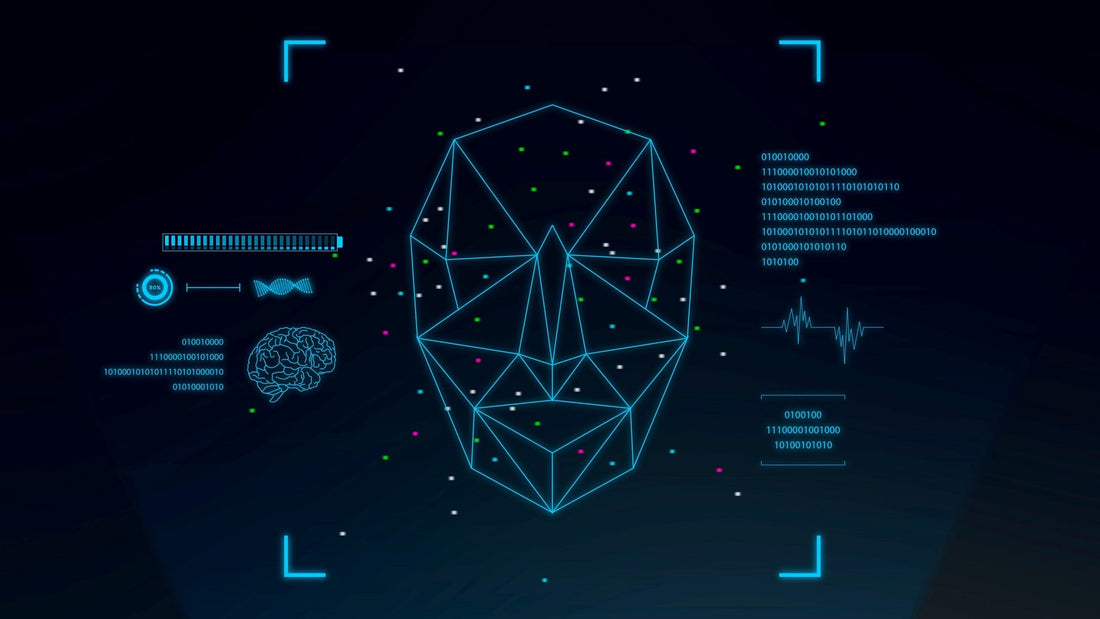
Biometric technology: a new trend in protecting personal privacy
Biometric identification technology is a technique that uses an individual's physiological or behavioral characteristics to identify them. These characteristics can be fingerprints, facial features, iris scans, voice, or even gait. The core of biometric identification technology lies in the fact that each person's biological characteristics are unique, making it highly reliable for identity verification and security. With technological advancements, these technologies have evolved from traditional fingerprint recognition to more sophisticated facial and voice recognition systems, and have been widely applied in many fields. The development of biometric identification technology can be traced back to the late 19th century, when forensic scientists began using fingerprints as a means of identification in criminal investigations. With the improvement of computer technology and data processing capabilities, biometric identification technology has gradually evolved into a highly efficient and accurate identity verification tool. Today, many smartphones and security systems have built-in biometric functions, allowing users to verify their identity in a more convenient way.
Key Takeaways
- What is biometric technology?
- Biometric identification technology is a technology that identifies an individual through their physiological or behavioral characteristics.
- Application scope of biometric identification technology
- Biometric identification technology is widely used in access control systems, mobile phone unlocking, payment security and other fields.
- How biometric technology works
- Biometric identification technology achieves identity authentication by scanning, comparing, and recognizing an individual's biometric characteristics.
- Advantages and disadvantages of biometric technology
- Biometric identification technology is highly accurate and convenient, but it also carries the risk of biometrics being stolen and imitated.
- The role of biometrics in protecting personal privacy
- Biometric technology can improve the security of personal identity authentication, but it also raises issues related to the protection of personal privacy.
- The impact of biometric technology on personal data security
- Biometric technology may expose personal biometric data to the risk of theft and misuse.
- Legal and ethical considerations of biometric technology
- Biometric identification technology requires strict legal regulation and ethical standards to protect personal privacy and data security.
- Future development trends of biometric technology
- Biometric identification technology will develop towards multi-modal integration, intelligent applications, and personalized customization.
- Applications of biometric technology in different industries
- Biometric identification technology has broad application prospects in industries such as finance, healthcare, and transportation.
- Security issues of biometric technology
- Biometric identification technology carries the security risk of biometric features being stolen, imitated, and tampered with.
Application scope of biometric identification technology
Biometric technology has a wide range of applications, covering multiple fields such as finance, healthcare, public safety, and transportation. In the financial industry, many banks and payment platforms have begun using fingerprint or facial recognition for transaction verification to improve security and reduce fraud risks. For example, some bank mobile applications allow users to unlock their accounts with their fingerprints, which not only improves convenience but also enhances fund security. In the public safety sector, biometric technology is widely used in crime investigation and surveillance systems. Police can use facial recognition technology to quickly identify suspects and install surveillance cameras in public places for real-time monitoring. This technology not only improves law enforcement efficiency but also serves as a deterrent to crime. Furthermore, in the medical field, biometric technology is also used for patient identification to ensure the accuracy and security of medical services.
How biometric technology works
The working principle of biometric identification technology mainly includes three steps: data collection, feature extraction, and matching. First, the system needs to collect the user's biometric data using specialized equipment. For example, in fingerprint recognition, a sensor captures the details of the fingerprint, while in facial recognition, a camera captures an image of the user's face. This data is usually converted into a digital format for subsequent processing. Next, the system performs feature extraction on the collected data. This step involves extracting representative feature points from the raw data, such as ridges and bifurcation points in fingerprints, or the positions of the eyes, nose, and mouth in facial images. These feature points are converted into digital templates and stored in a database. Finally, during the authentication process, the system matches the biometric features provided by the user with the templates in the database to determine if their identity is correct.
Advantages and disadvantages of biometric identification technology
Biometric identification technology offers numerous advantages, most notably its high accuracy and convenience. Because each person's biometrics are unique, this technology is more secure than traditional password or card systems for identity verification. Furthermore, users only need to provide their biometrics to complete the verification process, eliminating the need to remember complex passwords or carry additional identification documents, greatly improving ease of use. However, biometric identification technology also has some disadvantages. First, these systems may be affected by environmental factors, such as insufficient light or wet fingers, which may lead to recognition failure. Furthermore, once biometric data is stolen or leaked, it cannot be altered, exposing users to long-term security risks. Moreover, some biometric technologies may not be user-friendly for certain groups; for example, the elderly or individuals with special needs may not be able to use these systems effectively.
The role of biometrics in protecting personal privacy
Biometric technology plays a dual role in protecting personal privacy. On the one hand, it enhances security and prevents unauthorized access to sensitive information or resources. For example, using fingerprints or facial recognition in financial transactions can effectively prevent unauthorized access to user accounts, thus protecting personal financial privacy. On the other hand, these technologies can also pose threats to personal privacy. Because biometric characteristics are immutable, misuse or leakage can have lasting consequences for individuals. Therefore, a balance between security and privacy needs to be struck when promoting biometric technology. Many countries and regions have begun to enact relevant laws and regulations to protect citizens' privacy rights when using biometric technology. For example, some laws require companies to obtain users' explicit consent before collecting and storing biometric data and to take appropriate measures to protect this data from being leaked.
The impact of biometric technology on personal data security
With the widespread adoption of biometric technology, personal data security has become an increasingly important concern. The consequences of hacking or leaking biometric data can be far more severe than traditional password breaches. Because biometrics are unique and unchangeable, once stolen, users cannot reset their fingerprints or facial features. Therefore, strengthening the protection of biometric data has become a crucial issue that urgently needs to be addressed. Many companies and organizations have begun to take measures to enhance the security of biometric data. For example, some companies have adopted encryption technology to protect biometric data stored on servers. Furthermore, implementing multi-factor authentication mechanisms has become an effective method; even if a hacker gains access to one authentication method, they cannot easily access a user's sensitive information. These measures not only improve data security but also enhance users' trust in biometric technology.
Legal and ethical considerations of biometric technology
As biometric technology continues to develop, its legal and ethical issues are becoming increasingly prominent. Legally, different countries have different regulations regarding the collection, storage, and use of biometric data. For example, in the European Union, the General Data Protection Regulation (GDPR) imposes strict requirements on the processing of personal data, including biometric data, requiring companies to obtain user consent and inform them of the intended use before collecting data. Ethically, biometric technology may infringe upon individual freedom and privacy rights. For instance, in some countries, governments may use facial recognition technology for mass surveillance, raising public concerns about surveillance societies. Therefore, when promoting and applying these technologies, it is necessary to fully consider their impact on social ethics and individual rights to ensure that technological development does not harm fundamental civil rights.
Future development trends of biometric technology
In the future, biometric technology will continue to evolve towards greater efficiency, accuracy, and security. With the continuous advancement of artificial intelligence and machine learning technologies, biometric systems will be better able to adapt to different environments and conditions, improving recognition rates. For example, in low-light or cluttered backgrounds, the system will be able to automatically adjust parameters to improve accuracy. Furthermore, multimodal biometric technology will become a major trend. This technology combines multiple biometric features, such as fingerprints, facial features, and voice, to enhance the security and reliability of identity verification. By comprehensively analyzing multiple features, even if one feature is interfered with or unusable, the system can still rely on other features for accurate identification.
Applications of biometric technology in different industries
Different industries have varying needs for biometric technology, but its application potential is enormous. In the healthcare industry, patient identification is crucial. Hospitals can use fingerprint or iris scans to ensure patients receive the correct treatment plans, avoiding medical accidents caused by incorrect identification. In the aviation industry, airport security is increasingly adopting facial recognition systems to expedite boarding processes and improve security. In the retail industry, some stores are beginning to use facial recognition technology to analyze customer behavior in order to provide more targeted marketing strategies. Furthermore, in the smart home sector, many devices are integrating biometric functionality; for example, smart locks can be unlocked with fingerprints, improving home security. These applications demonstrate the significant potential of biometric technology in improving efficiency and security.
Security issues of biometric technology
While biometric technology is considered a relatively secure authentication method, some potential security issues remain. For example, hackers could steal biometric data stored on servers through various means. Once this data is stolen, users cannot change their biometric characteristics, making robust data protection measures crucial. Furthermore, some studies indicate that certain biometric systems may have false positive rates; even state-of-the-art facial recognition systems can err due to environmental factors or individual differences. Therefore, in practical applications, it is necessary to combine biometrics with other authentication methods, such as passwords or one-time verification codes, to improve overall security.
Personal privacy protection measures for biometric technology
To protect personal privacy, a series of protective measures are necessary when using biometric technology. First, users must receive sufficient information before providing biometric data, including how the data will be used, stored, and protected. Furthermore, companies should establish transparent information disclosure mechanisms, allowing consumers to check their data status at any time. Second, strengthening data encryption and storage security is also crucial. Companies should employ advanced encryption algorithms to protect biometric data stored on servers and conduct regular security audits to check for potential vulnerabilities. In addition, users should regularly check their account security settings to prevent unauthorized access to their sensitive information. These measures can effectively reduce the adverse impact of biometric technology on personal privacy.
FAQs
What is biometric technology?
Biometric identification technology is a technology that verifies an individual's identity by recognizing their physiological or behavioral characteristics. These physiological characteristics include fingerprints, irises, facial features, and voice, while behavioral characteristics include signatures and gait.
What are the applications of biometric technology?
Biometric identification technology is widely used in the security field, including access control systems, mobile phone unlocking, and payment systems. In addition, biometric identification technology is also used in healthcare, finance, and government agencies.
What are the advantages of biometric identification technology?
Biometric identification technology is highly accurate and secure because physiological and behavioral characteristics are unique to each individual, making them difficult to imitate or impersonate. Furthermore, biometric identification is convenient and quick, allowing for identity verification without requiring any physical items.
What challenges exist in biometric identification technology?
Biometric identification technology can be affected by environmental factors and changes in physiological state, leading to a decline in accuracy. Furthermore, issues of personal privacy and data security are also challenges facing biometric identification technology.
What are the development trends of biometric technology?
With the continuous advancement of technology, biometric identification technology will develop towards greater intelligence and convenience. At the same time, biometric identification technology will also place greater emphasis on protecting personal privacy and data security.
