
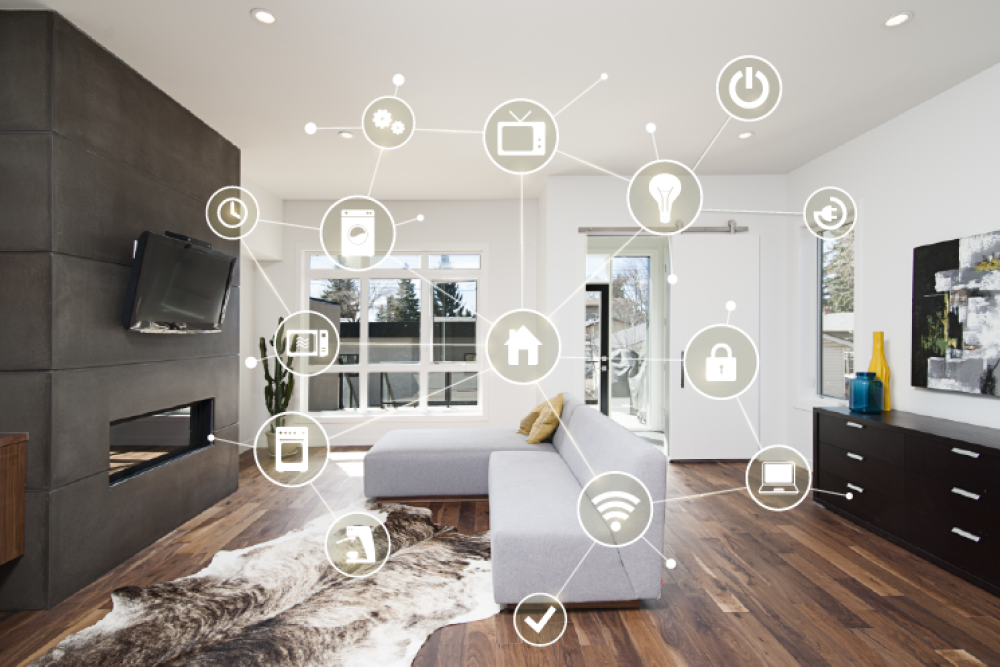
Smart Home: A New Trend in Future Living
Smart home refers to a living environment that utilizes advanced technology and networking to connect various devices and systems within the home, enabling automated control and remote management. These devices can include lighting, air conditioning, security systems, and home appliances, and can be operated via smartphones, tablets, or voice assistants. The core of a smart home lies in its interconnectivity, allowing users to monitor and control their home environment anytime, anywhere, enhancing convenience and comfort. With the rapid development of the Internet of Things (IoT) technology, the concept of smart homes is gaining popularity. Many families are adopting smart devices to improve their daily lives; for example, smart light bulbs can adjust brightness and color according to user needs, while smart thermostats can automatically adjust indoor temperature based on residents' habits. These technologies not only improve living comfort but also provide users with a higher quality of life.
Key Takeaways
- What is a smart home? A smart home refers to a system that uses advanced technology and equipment to make the home environment more intelligent and convenient.
- The advantages of smart homes include improved quality of life, energy savings, increased security, and enhanced convenience and comfort.
- Smart home applications are wide-ranging, including homes, offices, commercial spaces, and public spaces.
- Smart home technologies and equipment include smart lighting, smart appliances, smart security systems, smart monitoring, and smart home control systems.
- Security is an important consideration for smart homes, requiring the selection of reliable devices and systems, as well as strengthened data protection and privacy protection measures.
Advantages of smart homes
The advantages of smart homes are numerous, the most significant being increased convenience. Users can easily control various devices in their homes via mobile apps or voice commands. For example, before returning home, users can turn on the air conditioner to maintain a comfortable indoor temperature, or remotely turn off lights and appliances when leaving, avoiding unnecessary energy waste. This convenience not only saves time but also makes life more efficient. Furthermore, smart homes enhance home security. Many smart security systems are equipped with high-definition cameras, motion sensors, and door/window sensors, enabling real-time monitoring of the home and sending alerts to users. When suspicious activity occurs, users receive immediate notifications and can view live footage via their mobile phones. This instantaneous response capability significantly improves home security, giving residents greater peace of mind.
Applications of smart homes
The applications of smart homes are extremely broad, covering everything from daily life to professional fields. In the home, smart lighting systems can automatically adjust brightness based on time or context, providing optimal lighting for users; smart audio systems can play music, provide news updates, or control other smart devices, becoming part of the home entertainment center. Furthermore, smart kitchen appliances such as smart refrigerators and ovens can help users prepare meals more efficiently. In the business sector, smart home technology is also widely used. Many companies leverage smart technologies to improve the efficiency of their office environments; for example, smart meeting room systems can automatically adjust lighting and temperature to suit meeting needs, while smart building management systems can monitor the energy usage of the entire building, achieving more efficient resource management. These applications not only improve work efficiency but also save costs for businesses.
Smart home technology and equipment
The realization of smart homes relies on a variety of technologies and devices. First, the Internet of Things (IoT) is the foundation of smart homes, enabling various devices to connect and exchange data. Through wireless communication technologies such as Wi-Fi, Bluetooth, or Zigbee, various devices in the home can be seamlessly connected and managed by a central control system. Second, various smart devices, such as smart bulbs, smart sockets, and smart thermostats, are essential components of building a smart home. These devices are typically equipped with sensors and actuators that automatically adjust their operating modes according to environmental changes. For example, a smart thermostat can automatically adjust the operation of air conditioning or heating based on changes in indoor and outdoor temperatures to achieve optimal comfort and energy efficiency. Furthermore, voice assistants such as Amazon Alexa or Google Assistant also play a crucial role in smart homes, allowing users to easily control various devices through voice commands.
Security of smart homes
When considering smart home systems, security is a crucial factor that cannot be ignored. As more and more devices connect to the internet, the risks of hacking and data breaches also increase. Therefore, ensuring the security of smart home systems is paramount. Many manufacturers have begun taking measures to enhance product security, such as using encryption technology to protect data transmission and regularly updating software to patch potential vulnerabilities. Furthermore, users themselves need to raise their security awareness, for example, by regularly changing passwords and enabling two-factor authentication to prevent unauthorized access. Choosing reputable brands and reliable products is also an important step in ensuring security. Many well-known brands consider security issues when designing their products and provide corresponding support and services to ensure user data security.
Environmental benefits of smart homes
Smart homes not only enhance convenience but also have a positive impact on environmental protection. Through smart technology, users can manage energy use more effectively. For example, smart thermostats can automatically adjust indoor temperature based on actual needs, avoiding energy waste; while smart lighting systems can automatically adjust brightness based on natural light intensity, reducing unnecessary power consumption. Furthermore, many smart devices have monitoring capabilities, helping users understand their home's energy usage. By analyzing the data, users can find energy-saving methods, such as turning off certain appliances during peak hours or choosing more efficient usage patterns. This not only helps reduce household expenses but also plays a positive role in reducing carbon footprint.
Costs and Investments of Smart Homes
Building a complete smart home system requires some investment, but with continuous technological advancements and increased market competition, the prices of related equipment are gradually decreasing, making it affordable for more and more people. Initial investment may include purchasing various smart devices, installation costs, and potential network upgrades. However, in the long run, these investments often pay off by saving on energy costs and improving overall living efficiency. Furthermore, some governments and institutions are offering subsidies or tax incentives to encourage households to adopt smart technologies to improve energy efficiency. These policies not only reduce the financial burden on users but also promote the development of the smart home market. Therefore, when considering building a smart home system, users should comprehensively consider both initial costs and long-term benefits to make an informed investment decision.
Future Development Trends of Smart Homes
With continuous technological advancements, smart homes will exhibit a more diversified and personalized development trend in the future. On one hand, artificial intelligence (AI) technology will be widely applied to smart home systems, enabling devices to learn user habits and automatically adjust their operating modes. For example, future smart thermostats may automatically predict when heating or cooling is needed based on users' daily behavior patterns to achieve optimal comfort. On the other hand, with the widespread adoption of 5G technology, the connection speed between smart home devices will significantly improve, making instant response possible. This will allow various devices to work together better, such as automatically turning on lights and sound systems when a user enters a room. Furthermore, greater emphasis on privacy protection and data security will become an important direction for future development, enhancing user trust in smart home systems.
The Relationship Between Smart Home and Quality of Life
Smart home systems have a profound impact on quality of life. First, they offer greater convenience, simplifying many tedious daily tasks. For example, users can control lights, sound systems, and other devices via voice commands without manual operation. This convenience not only saves time but also allows people to better enjoy other aspects of life. Second, smart homes enhance interaction among family members. For instance, during family gatherings, users can easily use a central control system to play music, adjust lighting, and create a more pleasant atmosphere. Furthermore, health monitoring devices can help family members monitor each other's health, improving their quality of life. Therefore, smart homes are not only a manifestation of technological progress but also an important tool for improving people's quality of life.
Challenges and Solutions for Smart Homes
While smart homes offer numerous conveniences, their implementation still faces several challenges. One is the lack of interoperability between different brands, making it difficult for various devices to work together. To address this, some industry standards organizations are pushing for unified standards to promote compatibility across different brands. Furthermore, some large technology companies are working to launch cross-platform solutions to make it easier for users to manage various devices. Another challenge is user concerns about data privacy and security. With increasing amounts of personal data being collected and stored, users are anxious about data breaches and misuse. Therefore, manufacturers need to strengthen security considerations in product design, such as using encryption to protect data transmission and providing transparent information to users about how their data is used. At the same time, users should also raise their awareness of data security to protect their privacy.
How to get started with a smart home system
Building a smart home system doesn't require a large upfront investment; it can be upgraded gradually according to your needs. First, users can start with basic devices, such as a smart light bulb or socket, controlled via a mobile app. After becoming familiar with these basic functions, other devices can be added gradually, such as a smart thermostat and security cameras. Second, when choosing devices, users should consider brand, functionality, and compatibility with other devices. Some well-known brands offer complete ecosystems that allow different devices to work seamlessly together. Furthermore, users can refer to online reviews and user experiences to choose the most suitable products. During installation, if difficulties arise, professional assistance can be sought to ensure the system functions properly. Through these steps, users can gradually build a smart home system that meets their needs, not only improving their quality of life but also laying the foundation for future technological applications.
FAQs
What is smart home?
Smart home refers to a way of living that uses advanced technology and equipment to make the home environment more intelligent and convenient.
What are some common applications of smart homes?
Common applications of smart homes include smart lighting systems, smart security systems, smart appliance control, and smart environmental monitoring.
What are the advantages of smart homes?
Smart homes can improve the comfort and convenience of living, while also saving energy and enhancing home security.
What devices are used in smart homes?
Smart home devices include smart lights, smart sockets, smart door locks, smart cameras, and smart appliances.
What kind of network support does a smart home need?
Smart homes require a stable Wi-Fi network to enable devices to connect and communicate with each other.
