
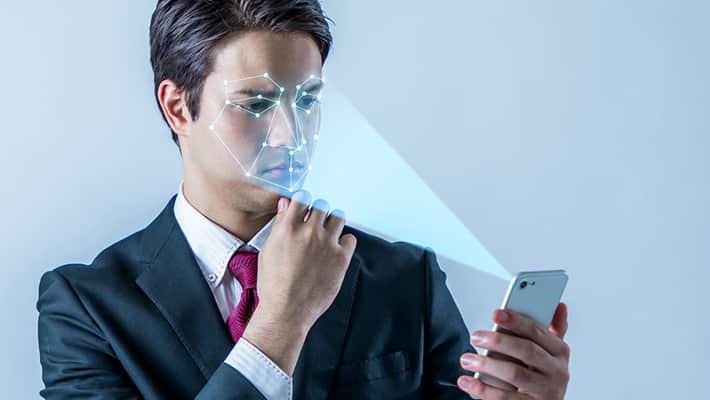
Biometrics: The key to future security
Biometrics is a technology that uses individual physiological or behavioral characteristics to identify individuals. These characteristics can include fingerprints, facial features, irises, voice, gait, and more. These unique biometrics enable accurate identification of each individual. With technological advancements, biometrics has evolved from its initial use as fingerprint recognition to various forms and has been widely applied in various fields. The core of biometrics lies in its uniqueness and stability. Every person's physiological characteristics are unique, making biometrics highly accurate in identity verification. Furthermore, these characteristics are generally difficult to forge or replicate, further enhancing its security. With the development of artificial intelligence and machine learning technologies, the accuracy and efficiency of biometrics are also continuously improving.
Key Takeaways
- What is biometric technology?
- How does biometric technology work?
- Application scope of biometric technology
- The role of biometric technology in security
- The impact of biometric technology on personal privacy
How does biometric technology work?
The working principles of biometric technology mainly include three steps: data collection, feature extraction, and comparison. First, the system needs to collect the user's biometric data through dedicated sensors. For example, in fingerprint recognition, the sensor captures the details of the fingerprint, including the direction of the ridges and the bifurcation points. This data is converted into a digital format for subsequent processing. Next, the system performs feature extraction on the collected data. This process involves extracting representative features from the raw data to facilitate subsequent comparison. In fingerprint recognition, the system extracts unique points in the fingerprint, such as the end points and bifurcation points of the ridges. Finally, the system compares the extracted features with the features stored in the database to determine the identity. If the comparison is successful, the system confirms the identity of the user.
Application scope of biometric technology
Biometric technology has a wide range of applications, encompassing security, finance, healthcare, transportation, and other fields. In the security sector, biometric technology is used in access control systems and surveillance systems to enhance safety. For example, iris recognition or facial recognition is used to control access in high-security locations such as airports and government agencies. Biometric technology is also widely used in finance. Many banks and financial institutions are beginning to use fingerprint or facial recognition for identity verification to enhance transaction security. This not only reduces the risk of fraud but also enhances the customer experience and makes transactions more convenient. Furthermore, in healthcare, biometric technology is used to confirm patient identities, ensuring the accuracy and safety of medical services.
The role of biometric technology in security
Biometric technology plays a vital role in the security field. With public security issues becoming increasingly serious, traditional passwords and keys are no longer able to meet modern security needs. Biometric technology provides a more reliable and secure authentication method. For example, facial recognition systems can quickly and accurately identify passengers during airport security checks, significantly improving security efficiency. Furthermore, many businesses and institutions are beginning to adopt biometric technology to strengthen internal security management. Fingerprint or iris recognition systems can effectively prevent unauthorized access to sensitive areas. This not only protects corporate assets but also reduces security risks for internal personnel. With continued technological advancements, the application of biometric technology in the security field will become even more prevalent in the future.
The impact of biometric technology on personal privacy
While biometric technology offers significant advantages in terms of security and convenience, its impact on personal privacy has sparked widespread debate. Because biometrics cannot be changed or reset, the leakage or misuse of this data can cause irreparable harm to individuals. For example, if a person's fingerprint data is stolen by hackers, that individual will no longer be able to use their fingerprint as a means of identity verification. Furthermore, many worry that biometric technology could be used to monitor and track personal behavior. In some countries, government agencies may use facial recognition technology to monitor citizens, raising concerns about freedom and privacy rights. Therefore, when promoting biometric technology, it is necessary to balance the conflict between security needs and personal privacy to ensure the appropriate use of the technology.
Development Trends of Biometric Technology
With the continuous advancement of technology, biometrics technology is also developing. Several major trends can be anticipated in the coming years. First, multimodal biometrics will become a trend, which means using multiple biometric features simultaneously for authentication. For example, combining fingerprint, facial, and voice recognition can significantly improve the accuracy and security of authentication. Second, artificial intelligence and machine learning will play an increasingly important role in biometrics. Deep learning algorithms can better analyze and understand biometric features, improving matching speed and accuracy. Furthermore, with the development of edge computing technology, future biometric systems will be able to process data locally on the device, reducing reliance on cloud services and improving data security.
Advantages and disadvantages of biometric technology
Biometric technology offers numerous advantages, most notably its high accuracy and security. Because each person's physiological characteristics are unique, biometric systems effectively prevent identity theft and fraud. Furthermore, compared to traditional passwords or keys, biometrics are less likely to be forgotten or lost, making them more convenient for users in daily life. However, biometric technology also has some disadvantages. First and foremost is cost. High-quality biometric equipment is often expensive, which may limit its adoption in certain small businesses or developing countries. Furthermore, with the increasing number of data breaches, concerns about the security of biometric data are growing. If this sensitive data is misused by criminals, it can have serious consequences for individuals.
Application of biometric technology in the financial industry
In the financial industry, biometric technology is becoming an increasingly important means of identity verification. Many banks and financial institutions have begun adopting fingerprint, facial, or iris recognition to enhance transaction security. For example, some mobile banking apps allow users to unlock transactions with their fingerprints, eliminating the need for cumbersome passwords. This not only improves transaction efficiency but also reduces the risk of fraud caused by password leaks. Furthermore, biometric technology is also being introduced in automated teller machines (ATMs). Some banks have introduced ATMs equipped with fingerprint scanners or facial recognition, allowing customers to withdraw cash more securely without having to carry a card or remember a password. This ensures that even if a card is lost or stolen, the security of the customer's funds is not compromised.
Application of biometric technology in the medical field
Biometrics technology is also demonstrating its significant value in the healthcare sector. Medical institutions need to accurately verify patient identities to avoid incorrect treatment or medication. Fingerprint and facial recognition systems are widely used in patient registration and authentication. For example, some major hospitals require patients to undergo fingerprint scans upon admission to ensure their identities match their medical records. Biometrics technology can also play a role in medication management. Some medical institutions use iris or fingerprint scans to verify the identity of medical staff when administering medications, preventing medication errors. This not only improves the quality of healthcare services but also enhances patients' sense of security.
Application of biometric technology in transportation
The transportation sector has also benefited from the development of biometric technology. In many countries, airport security has begun using facial recognition systems to expedite passenger inspections. Passengers simply need to stand in front of a camera to quickly complete their identity verification, significantly reducing waiting times. Furthermore, some international airports have introduced self-service boarding gates, allowing passengers to automatically board their aircraft with a facial scan, improving overall efficiency. Within public transportation systems, some cities have also begun exploring the use of biometric technology to enhance the passenger experience. For example, at certain subway stations, passengers can enter and exit using a fingerprint or facial scan, without having to purchase a ticket or swipe a card. This not only provides convenience for passengers but also reduces the hassle of ticket management.
The future of biometric technology
Looking ahead, biometric technology will continue to evolve and become integrated into every aspect of our daily lives. With continued technological advancements, we can foresee the emergence of more efficient, secure, and convenient authentication methods. For example, multimodal biometric systems may become mainstream, making authentication more comprehensive and reliable. Furthermore, legal and ethical regulations for biometric technology are necessary to protect individual privacy rights. In promoting this technology, governments and businesses should work together to ensure its appropriate use and prevent abuse. As society's acceptance of technology continues to grow, we have reason to believe that biometric technology will realize even greater potential in the future.
FAQs
What is biometric technology?
Biometrics is a technology that verifies an individual's identity by identifying their physiological or behavioral characteristics. Physiological characteristics include fingerprints, irises, facial features, and voice, while behavioral characteristics include signatures and gait.
What are the applications of biometric technology?
Biometric technology is widely used in security fields, including access control systems, mobile phone unlocking, payment systems, etc. In addition, biometric technology is also used in healthcare, finance, government agencies and other fields.
What are the advantages of biometric technology?
Biometrics technology is highly accurate and secure because each person's physiological and behavioral characteristics are unique and difficult to imitate or misuse. Furthermore, biometrics technology is convenient and quick, requiring no personal belongings to verify identity.
What are the disadvantages of biometric technology?
Biometric technology can be affected by factors such as environmental conditions, injury, or age, resulting in reduced accuracy. Furthermore, personal privacy and data security are also challenges facing biometric technology, requiring strict legal and regulatory protection.
