
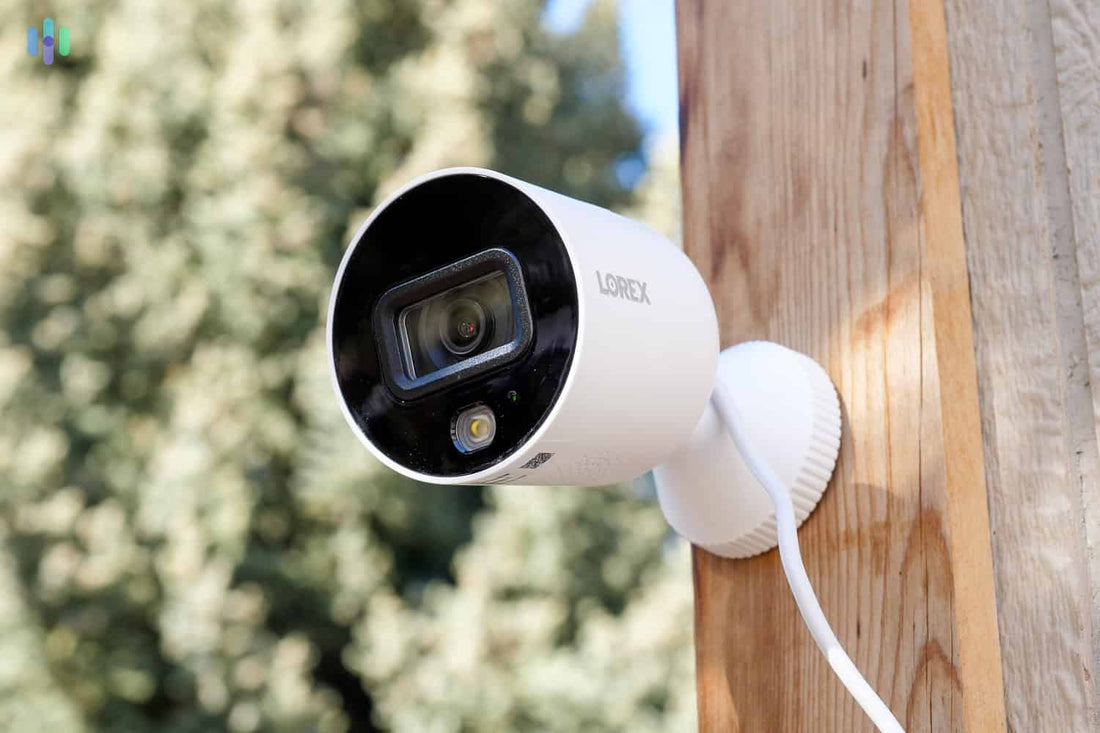
Security: Protect your data and privacy
Data and privacy security refers to measures and technologies designed to protect individual and organizational data from unauthorized access, use, or disclosure. With the advent of the digital age, data has become a critical asset, and whether it's personal information, trade secrets, or financial data, it all needs to be properly protected. Data security encompasses multiple aspects, including the security of data during storage, transmission, and processing, while privacy security focuses more on protecting personal information, ensuring that individuals are not tracked or exploited without their consent. In today's society, the importance of data and privacy security has become increasingly prominent. With the prevalence of technologies such as social media, e-commerce, and cloud computing, the amount of personal and corporate data has increased dramatically. If this data falls into the wrong hands, it can lead to identity theft, financial loss, and even reputational damage. Therefore, establishing effective data and privacy security measures has become a critical issue for every individual and organization.
Key Takeaways
- Data and privacy security are measures to protect personal and institutional data from unauthorized access and use.
- Data and privacy security is important because it prevents sensitive information of individuals and organizations from being stolen or misused.
- Methods to protect data and privacy include password protection, encryption, firewalls, and security software.
- Password protection and encryption technologies can effectively protect data from unauthorized access.
- Using public Wi-Fi with caution and monitoring online activity can help prevent data and privacy leaks.
Why is data and privacy security important?
The importance of data and privacy security extends beyond protecting personal information; it also impacts a company's reputation and legal liability. For businesses, customer trust is the cornerstone of their success. Failure to properly protect customer data can lead to serious consequences, including legal action, fines, and damage to their brand image. For example, a well-known retailer incurred substantial compensation for a data breach, and its stock price plummeted following the incident, highlighting the risks posed by data security failures. Furthermore, with the increasing global emphasis on data protection regulations, such as the EU's General Data Protection Regulation (GDPR), businesses must adhere to strict standards to protect user privacy. Violations of these regulations not only result in hefty fines but can also impact a company's market competitiveness. Therefore, ensuring data and privacy security is not only a moral imperative but also a legal requirement.
How to protect your data and privacy?
Protecting data and privacy requires multiple measures, starting with raising personal security awareness. Users should be aware of potential risks, such as phishing attacks and malware, and learn to identify suspicious emails or websites. Furthermore, regularly reviewing social media privacy settings and limiting visibility can reduce the risk of personal information being publicly disclosed. Using strong, unique passwords is also an important step in protecting data. Many people tend to use simple, easy-to-remember passwords, but doing so significantly increases the risk of being hacked. It is recommended to use complex passwords that include letters, numbers, and special characters, and to change them regularly. Furthermore, consider using a password manager to generate and store passwords to reduce the burden on memory and improve security.
Password protection and encryption technology
Password protection is one of the most basic data security measures. Strong passwords can effectively prevent unauthorized access, but relying on passwords alone is not sufficient. Encryption technology provides an additional level of security. Encryption converts data into an unreadable format, making the original data accessible only to those with the correct decryption key. For example, when transmitting sensitive information, using the SSL/TLS protocol ensures the security of data during transmission over the internet. Furthermore, many modern applications and services offer end-to-end encryption, meaning that only the sender and receiver can read the contents of messages; intermediary service providers cannot access this information. This technology is particularly important in instant messaging apps such as WhatsApp and Signal, which employ end-to-end encryption to protect user communications. This ensures that even if a hacker compromises the server, they cannot access users' private conversations.
Firewall and security software
A firewall is a crucial network security tool used to monitor traffic entering and leaving a network and block suspicious activity. It can filter traffic based on preset rules, effectively preventing unauthorized access. For example, in a corporate environment, a firewall can block external attackers from entering the internal network while allowing legitimate users to access required resources. Furthermore, a firewall can prevent internal employees from improperly accessing sensitive information. In addition to firewalls, installing security software is also an important step in protecting your device. This software typically includes features such as virus scanning, malware detection, and anti-spyware, allowing you to promptly detect and remove potential threats. For example, well-known security software such as Norton, McAfee, and Kaspersky offer comprehensive protection solutions that can help users defend against various network attacks. Regularly updating this security software to ensure it can identify the latest threats is an important step in maintaining system security.
Update software and systems regularly
Keeping your software and system up-to-date is an important step in preventing security vulnerabilities. Many hackers exploit vulnerabilities in outdated software, so regularly updating your operating system, applications, and related components is crucial. Many developers regularly release updates to patch known vulnerabilities and enhance system performance. Users should enable automatic updates to ensure all applications are up-to-date with the latest versions. Furthermore, in addition to operating systems and applications, hardware devices also require regular firmware updates. Many devices, such as routers and printers, pose potential security risks and may become targets for hacker attacks if their firmware is not updated promptly. Therefore, users should regularly check device manufacturer websites for the latest firmware versions and update them accordingly.
Use public Wi-Fi with caution
While public Wi-Fi is convenient, it also presents a potential security risk. Many hackers exploit public Wi-Fi networks to conduct man-in-the-middle attacks, stealing information transmitted over the network. Therefore, users should exercise extreme caution when using public Wi-Fi. First, avoid performing sensitive operations on public Wi-Fi, such as online banking transactions or entering personal information. If you must use public Wi-Fi, consider using a virtual private network (VPN) to encrypt your network traffic. A VPN transmits your internet connection through an encrypted channel, effectively preventing hackers from stealing information. Additionally, users should disable the automatic connection to available Wi-Fi networks to avoid inadvertently connecting to unsecured networks.
Handle personal information with caution
In our daily lives, we often need to provide personal information, such as our name, address, and phone number. However, we must exercise caution when sharing this information. First, when filling out online forms or registering an account, only provide the necessary information and avoid sharing additional personal information. Furthermore, when sharing daily life on social media, be careful not to disclose too much personal information to prevent it from being exploited by criminals. Furthermore, when handling sensitive documents, such as identification documents or financial reports, appropriate measures should be taken to protect them. For example, these documents can be stored on encrypted hard drives or using secure cloud storage services to preserve important information. When discarding documents that are no longer needed, shredder them to prevent others from accessing personal information from the trash.
Monitor your online activities
Monitoring online activity is an important step in ensuring data and privacy security. Users should regularly review their account activity logs to detect suspicious behavior early on. For example, most social media platforms and email services offer account activity logs, allowing users to view recent login locations and devices. If any unusual login behavior is detected, users should immediately change their passwords and enable two-factor authentication. Users can also use specialized tools to monitor their online activity, such as identity theft monitoring services. These services can detect in real time whether personal information has been leaked or appears on the dark web. If a problem is discovered, users can take timely action, such as freezing their credit cards or reporting it to the police, to mitigate potential losses.
Educate your family and colleagues
Raising the security awareness of those around you is crucial to overall data and privacy security. Family members and colleagues may lack knowledge of cyberthreats, so educating them on how to identify potential risks is essential. For example, small workshops or shared resources on cybersecurity can help them understand how to protect their information. Additionally, the latest cyberscam cases can be discussed regularly to raise awareness of emerging threats. In families, safety protocols can be established for shared device use, such as not sharing passwords or downloading suspicious apps. In the workplace, companies should also provide regular training to help employees understand company policies and best practices, thereby increasing overall security awareness.
What should you do if a data and privacy leak occurs?
If a data and privacy breach occurs, users should take immediate action to mitigate losses. First, quickly change passwords on affected accounts and enable two-factor authentication for enhanced account security. If you suspect identity theft, contact your financial institution immediately to freeze your account to prevent further losses. Additionally, users should monitor their credit reports for any unusual activity. If you discover suspicious transactions or account openings, you can report them to the relevant agencies and request an investigation. In some cases, users may want to consider purchasing identity theft protection services to provide professional support in dealing with the aftermath of a breach.
FAQs
What is security?
Security refers to the ability of a system, product or environment to protect itself from damage or harm when facing potential threats or dangers.
Why is security important?
Security is essential to protecting the assets and values of individuals, organizations, and society. It prevents accidents, crimes, and other damage, ensuring that people's lives and property are protected.
What are the aspects of security?
Security can be divided into multiple aspects, including physical security, network security, information security, food safety, traffic safety, etc.
How to improve security?
Improving safety can be achieved by strengthening monitoring, training personnel, using safety equipment and technology, and establishing effective safety policies and procedures.
What is the difference between security and privacy?
Security focuses on protecting a system or environment from damage, while privacy focuses on protecting personal information from unauthorized access or use. Both are important aspects of protecting people's rights and values.
