
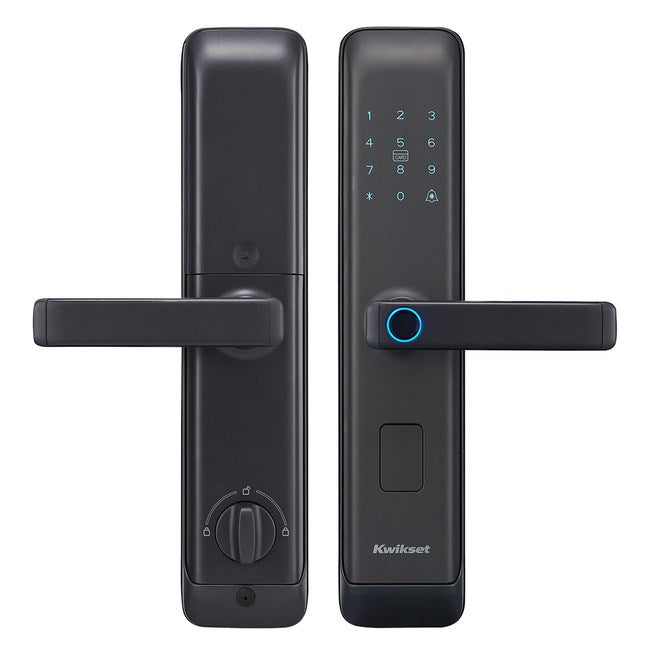
Door lock technology plays a vital role in modern society, particularly in maintaining home security. With the acceleration of urbanization, home security issues are becoming increasingly prominent. As the first line of defense against intrusion, the importance of door locks is self-evident. Effective door locks not only prevent unauthorized entry but also enhance residents' sense of security. According to statistics, approximately 30% of home intrusions are caused by inadequate or improperly installed door locks. Therefore, choosing the right door lock technology is crucial for protecting both property and personal safety. Furthermore, the evolution of door lock technology reflects society's changing security needs. With technological advancements, traditional mechanical door locks are gradually being replaced by more advanced electronic and smart door locks. These new door locks not only offer greater security but also greater convenience and flexibility. For example, many electronic door locks can be remotely controlled via mobile apps, allowing users to monitor their home's security anytime, anywhere. These technological advances have transformed door locks from simply being physical security devices to becoming an integral part of smart home systems.
summary
- Door lock technology is crucial to maintaining home security and should be taken seriously.
- Different types of door locks have their own characteristics, which should be understood clearly before choosing.
- Electronic door locks offer the advantages of convenience and security and are well worth considering.
- The functions of smart door locks can improve home protection and increase security.
- The application of biometric technology in door locks, such as fingerprint recognition and facial recognition, is a future development trend.
Different Types of Door Locks: Understanding Your Options
When choosing a door lock, it's crucial to understand the different types and characteristics. Traditional mechanical door locks are the most common, typically consisting of a metal key and a lock cylinder. While these locks offer advantages in terms of simplicity and cost, they also offer relatively low security, making them susceptible to prying or key cloning. With technological advancements, electronic door locks have gradually entered the market. These locks typically require a password, card, or fingerprint to unlock, offering enhanced security and convenience. In addition to mechanical and electronic door locks, smart door locks are also gaining popularity. Smart door locks typically feature Bluetooth or Wi-Fi connectivity and can be paired with smartphones or other smart devices. Users can remotely control the lock via a mobile app and even grant temporary access to family or friends. Some smart door locks also feature automatic locking when the user leaves the house, further enhancing security. Understanding these different types of door locks can help consumers make an informed choice based on their needs.
Advantages of electronic door locks: convenient and safe
Electronic door locks are widely popular for their convenience and security. First, electronic door locks typically do not require traditional keys. Users can unlock them with a password, card, or fingerprint. This not only reduces the risk of key loss but also avoids the security risks associated with key duplication. Furthermore, many electronic door locks include a recording function that records the time and person each time the door is opened and closed, making it very helpful for managing family members' access. Secondly, electronic door locks offer greater design flexibility. Many models allow users to customize passwords or access rights, allowing temporary access rights to be set even for visiting friends or relatives without the need for physical keys. Furthermore, some high-end electronic door locks feature anti-theft alarms that sound an alert upon detecting an anomaly, further enhancing home security. These advantages have made electronic door locks an increasingly popular choice for modern homes.
Smart door lock features: Improve home protection
As an upgraded version of electronic door locks, smart door locks offer more diverse features and can significantly enhance home security. First, smart door locks often feature remote control, allowing users to monitor and control their home door status anytime, anywhere via a mobile app. For example, while traveling, users can check if they've forgotten to lock their door and remotely lock or unlock it. This allows for convenient access even when a package needs to be delivered. Furthermore, many smart door locks integrate with other smart home devices. For example, they can connect to home security systems, automatically sending alerts to notify users if suspicious activity is detected. Some smart door locks also support voice assistants like Amazon Alexa or Google Assistant, allowing users to control the door lock via voice commands, making it easy to operate even when their hands are busy. These features not only enhance home security but also provide greater convenience.
Application of biometric technology in door locks: fingerprint recognition, facial recognition, etc.
Biometric technology is becoming increasingly popular in door locks, with fingerprint and facial recognition being the two most common forms. Fingerprint recognition utilizes each person's unique fingerprint for authentication, offering greater security than traditional keys or passwords. Simply placing a finger on the sensor unlocks the door, significantly improving convenience. Furthermore, since fingerprints cannot be copied, even if someone obtains your password, they cannot easily gain access to your home. Facial recognition, another emerging biometric method, uses a camera to capture the user's facial features for authentication. This technology not only offers the convenience of contactless unlocking but also provides a degree of protection against impersonators entering the home. Some high-end smart door locks even feature night vision, enabling accurate identification even in low-light conditions. The introduction of biometric technology has brought modern door locks to a new level of security and convenience.
Door locks connected to smart home systems: increasing convenience and security
Connecting door locks to a smart home system can significantly improve home convenience and security. Smart home systems typically consist of multiple devices, including lights, cameras, and thermostats. Integrating door locks allows for more comprehensive home management. For example, users can set automated scenes to automatically lock or unlock their homes at specific times, while also adjusting indoor lighting and temperature to create an optimal living environment. Smart home systems also enable remote monitoring, allowing users to check the status of various devices in their home, including whether door locks are locked and cameras are functioning properly, through mobile apps. If an anomaly is detected, users can take immediate action, such as remotely locking the door or notifying a security company. This integrated management not only improves home security but also makes daily life more convenient.
How to choose the right door lock: Consider your home needs and budget
Choosing the right door lock requires considering many factors, including family needs, security, and budget. First, choose the right door lock based on the number of family members and their living habits. If you have a large family, consider an electronic or smart door lock that supports multiple user accounts to ensure convenient access for everyone. If you frequently have guests, consider a smart door lock with the ability to set temporary access permissions for flexible visitor management. Budget is also a key consideration. Door lock prices vary widely on the market. While high-end smart door locks offer powerful features, they also come with a relatively high price. Therefore, choosing a door lock based on your financial situation is crucial. Also, consider long-term costs, such as battery replacement and maintenance. Choosing a cost-effective product while ensuring security is a wise move.
Door lock installation and maintenance: ensuring long-term use
Proper installation and regular maintenance are crucial to ensuring the long-term effectiveness of your door lock. During installation, ensure the door frame and wall structure are secure to avoid safety hazards caused by improper installation. Furthermore, different types of door locks may require different installation methods, so it's best to consult the product manual or seek professional assistance before installation to ensure quality. Regarding maintenance, regular inspections of the door lock are essential to ensure proper operation. For example, you can regularly clean the sensor and keypad to prevent dust accumulation that may affect performance. Also, be sure to check the battery level to prevent malfunctions due to low power. Furthermore, if you notice any abnormalities, such as a clunky switch or frequent alarms, contact a professional for inspection and repair to ensure your home's safety.
Choice of anti-theft door locks: increase home security
Security door locks are another important option for enhancing home security. When choosing a security door lock, consider factors such as its material, construction, and security rating. Generally speaking, security door locks made of stainless steel or alloys are relatively durable and difficult to pry open. Furthermore, the higher the security rating, the more complex the design and the more difficult it is to crack, so higher-rated products should be prioritized. Furthermore, some security door locks offer additional security features, such as anti-pry features and alarm systems. These additional features can further enhance home security. For example, if unusual prying attempts are detected, an alarm will immediately notify the user, raising awareness. When choosing a security door lock, it's worth researching the different brands and models on the market to find the one that best suits your needs.
The importance of door lock maintenance: extending service life
Regular maintenance is crucial for extending the lifespan of your door lock. First, keep the door lock and its surroundings clean to prevent dust and dirt from accumulating and affecting its proper operation. For mechanical door locks, regularly lubricate key components with lubricant to reduce wear and increase their lifespan. For electronic or smart door locks, regularly check the battery status to ensure proper operation. Additionally, during daily use, be careful to avoid excessive force, such as when closing the door, to avoid damaging the lock mechanism. If you notice any abnormalities, such as stiffness or unusual noises, address them promptly to prevent minor issues from escalating into major problems. Regular maintenance and timely resolution of any issues can effectively extend the lifespan of your door lock and enhance your home's security.
Future Developments in Door Lock Technology: Trends and Innovations
The future of door lock technology will develop in a more intelligent and convenient direction. On the one hand, as the Internet of Things technology continues to mature, more new door locks that can seamlessly connect with other smart devices may appear in the future. For example, there may be more intelligent analysis systems based on artificial intelligence technology in the future that can automatically adjust the switch mode according to user habits to improve ease of use. On the other hand, biometric technology will continue to innovate. For example, more accurate facial recognition technology and iris recognition may become mainstream, making identity authentication more secure and reliable. In addition, encryption technology
FAQs
What types of door lock technology are there?
Door lock technologies include different types such as mechanical locks, electronic locks, and smart locks.
What is the difference between mechanical locks and electronic locks?
Mechanical locks use physical mechanisms to lock the door, while electronic locks use electronic components and passwords to control the opening and closing of the door.
What are the characteristics of smart locks?
Smart locks can be controlled through wireless technology and have functions such as remote control, password management, and fingerprint recognition.
How secure is door lock technology?
Different types of door lock technology offer different levels of security, but generally speaking, smart locks are relatively more secure because they typically have more security features.
What is the development trend of door lock technology?
With the advancement of technology, door lock technology will develop towards intelligence, convenience and security. For example, new technologies such as fingerprint recognition and face recognition will be applied to door lock technology.
