
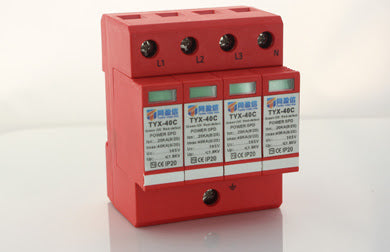
Three-phase power is an electrical system consisting of three independent alternating currents, each 120 degrees out of phase with the other. This design allows three-phase power to provide a stable and continuous supply of electricity, making it particularly suitable for industrial equipment and machinery that require high power. Three-phase power basically consists of three conductors and a neutral conductor. This configuration not only improves power transmission efficiency but also reduces power loss. In three-phase power, the voltage waveform of each phase is a sinusoidal wave, and the phase difference between them ensures that the current of one phase is at its maximum at all times, thus ensuring power continuity. This characteristic makes three-phase power widely used in industrial and commercial applications because it provides higher power density and smoother operation.
summary
- Three-phase power supply is a power supply system consisting of three phases of current, which can provide a stable power supply.
- Three-phase power supplies play an important role in industrial production, providing efficient power and stable power supply.
- Compared with single-phase power supply, three-phase power supply has higher power output and lower energy loss.
- Three-phase power supply has higher efficiency and lower power fluctuation, and is suitable for applications with large equipment and machinery.
- Three-phase power supply is increasingly used in buildings and residential electricity consumption, which can improve energy efficiency and reduce energy waste.
Importance of three-phase power supply in industrial applications
In the industrial sector, three-phase power is widely used in various equipment and machinery, such as motors, transformers, and generators. Due to its high efficiency and stability, three-phase power can support the operation of large machinery and maintain stable performance under high loads. For example, in steel production, three-phase power provides the necessary power for high-power furnaces and rolling mills, ensuring continuous and efficient production. Furthermore, three-phase power can reduce equipment operating costs. Due to its high efficiency, equipment using three-phase power typically consumes less energy than single-phase equipment, which can significantly reduce operating costs for large factories. According to some studies, factories using three-phase power can save 10% to 30% in energy costs, giving companies a competitive advantage.
Comparison between three-phase power supply and single-phase power supply
There are significant differences between three-phase and single-phase power. First, single-phase power typically consists of a single conductor and a neutral wire, resulting in lower power output and suitable for homes and small businesses. Three-phase power, on the other hand, consists of three conductors and offers higher power output, making it suitable for industrial applications that require large amounts of power. Second, three-phase power is more efficient when it comes to power transmission. Because each phase in a three-phase system can deliver power at different times, the total power output is more stable. Single-phase systems, on the other hand, can experience power fluctuations, which can be problematic for sensitive equipment. Furthermore, three-phase systems experience lower transmission losses over long distances, making them advantageous for large-scale power supply systems.
Advantages and characteristics of three-phase power supply
Three-phase power offers several advantages, making it a popular choice for industrial and commercial applications. First, its high power density allows for more power to be transmitted using smaller conductor cross-sections, saving both material costs and installation space. Second, because each phase in a three-phase system can balance the load, operation is more stable, reducing the risk of equipment failure. Furthermore, three-phase power offers superior starting performance. When starting large motors, a three-phase system provides greater starting torque, enabling the equipment to quickly reach operational status. This is particularly important for large machinery that requires frequent starts and stops. Furthermore, because a three-phase system can be flexibly adjusted using a transformer, it maintains good performance even under varying load demands.
Application of three-phase power supply in large equipment and machinery
Large equipment and machinery often require a stable and efficient power supply, and three-phase power meets this need. In heavy industries such as metallurgy, mining, and shipbuilding, three-phase power is widely used in a variety of large machinery such as cranes, compressors, and pumps. These devices often require a large amount of starting torque and continuous operating power, and three-phase systems can provide the necessary stability. For example, in steel production, large furnaces require a stable high-power supply to maintain the continuity of the melting process. Using three-phase power ensures that the furnace can continue to operate normally under high loads. In addition, in water treatment plants, large pumps and fans also rely on three-phase power to ensure the stability of water and air flows to meet production needs.
Application of three-phase power supply in buildings and residential electricity
While primarily used in industrial applications, three-phase power is also becoming increasingly popular in certain building and residential projects. In particular, in large commercial buildings or multi-family residences, three-phase power can provide a more efficient power supply solution. In these cases, a three-phase system can support the simultaneous operation of multiple high-power devices, such as air conditioning systems, elevators, and large kitchen appliances. For example, in a large shopping mall, the air conditioning system often requires a large amount of energy to maintain a comfortable indoor environment. Using three-phase power ensures stable operation of the air conditioning system even under high loads. Furthermore, some high-end residences are beginning to consider using three-phase power systems to support high-power equipment such as home theaters and gyms, thereby improving overall energy efficiency.
The impact of three-phase power supply on energy efficiency
Three-phase power has a significant impact on energy efficiency. Due to its design, three-phase systems are able to transmit more power with lower wire losses. This means that when supplying power over long distances, using a three-phase system can reduce energy waste and improve overall efficiency. Furthermore, due to its balanced load characteristics, a three-phase system can reduce imbalances in equipment operation, further improving energy utilization. According to some studies, using a three-phase system can improve energy efficiency by approximately 15% to 20% compared to a single-phase system. For energy-intensive factories, this can significantly reduce operating costs and also help reduce carbon emissions. In the context of the global promotion of sustainable development, improving energy efficiency has become a key goal across all industries, and three-phase power is undoubtedly one of the key tools to achieve this goal.
Installation and maintenance precautions for three-phase power supply
When installing and maintaining a three-phase power system, specific precautions must be followed to ensure safety and reliability. During installation, ensure all connection points are secure and reliable to prevent malfunctions caused by poor contact. Furthermore, when selecting wires, choose the appropriate cross-section based on the actual load to avoid overheating or damage. Regarding maintenance, regular inspections of system components, including circuit breakers, contactors, and transformers, are crucial. Failures in these components can impact the operation of the entire system. Therefore, a regular inspection schedule is recommended to promptly identify and resolve potential issues. Furthermore, during maintenance, always follow safe operating procedures to prevent accidents.
Future development trend of three-phase power supply
With the continuous advancement of technology, three-phase power systems are also evolving. In the future, with the development of intelligent technologies, three-phase power will be integrated with the Internet of Things (IoT), making energy management even more intelligent. For example, smart sensors can monitor power usage in real time and automatically adjust loads to improve energy efficiency. Furthermore, the development of renewable energy technologies will promote the further application of three-phase power systems. As renewable energy technologies such as solar and wind power continue to mature, more distributed generation facilities based on three-phase systems will emerge in the future to support sustainable development goals. This will not only increase energy supply flexibility but also help reduce dependence on traditional fossil fuels.
Application of three-phase power supply in renewable energy systems
With the increasing global demand for renewable energy, the use of three-phase power in renewable energy systems is also increasing. In solar power systems, inverters are typically used to convert DC power to AC power. These inverters are often designed to support three-phase output to more efficiently transmit the generated energy to the distribution network. Similarly, in wind power systems, large wind turbines often adopt a three-phase design to improve power generation efficiency and reduce operating costs. These wind turbines can adjust the output frequency through inverters to adapt to power generation requirements at different wind speeds. In addition, three-phase power supply is also widely used in microgrid systems to support the coordinated operation of multiple renewable energy sources and improve overall energy utilization efficiency.
Environmental advantages of three-phase power supply
Using three-phase power also offers significant environmental advantages. Due to its high efficiency and low losses, three-phase systems can reduce energy consumption and carbon emissions compared to single-phase systems. Against the backdrop of global climate change, improving energy efficiency has become a key policy goal for governments worldwide, and promoting the use of three-phase power systems is undoubtedly an effective way to achieve this goal. Furthermore, with the increasing popularity of renewable energy, combining three-phase power with renewable energy technologies can further reduce dependence on fossil fuels and help mitigate environmental pollution. For example, using three-phase power in solar or wind power generation systems not only improves power generation efficiency but also promotes the large-scale application of clean energy. Therefore, promoting the use of three-phase power systems will be a key step in achieving environmental goals in future sustainable development strategies.
FAQs
What is three-phase power?
Three-phase power refers to an electrical system consisting of three AC voltage waveforms with phases 120 degrees apart. It is commonly used in industrial and commercial applications to provide a more stable and efficient power supply.
What are the characteristics of three-phase power supply?
Three-phase power supply has higher power transmission capacity, lower power loss, more stable output voltage and more balanced load distribution. This makes it suitable for large machinery and equipment and important industrial applications.
What is the difference between three-phase power and single-phase power?
Three-phase power consists of three phases of voltage, while single-phase power only has one phase. Three-phase power provides higher power output and a more stable power supply, making it suitable for large equipment and machinery.
What is the application scope of three-phase power supply?
Three-phase power supply is widely used in industrial production, large-scale machinery and equipment, motors, transformers, generators and other fields. It is also commonly used in the power supply system of commercial buildings and large commercial facilities.
