
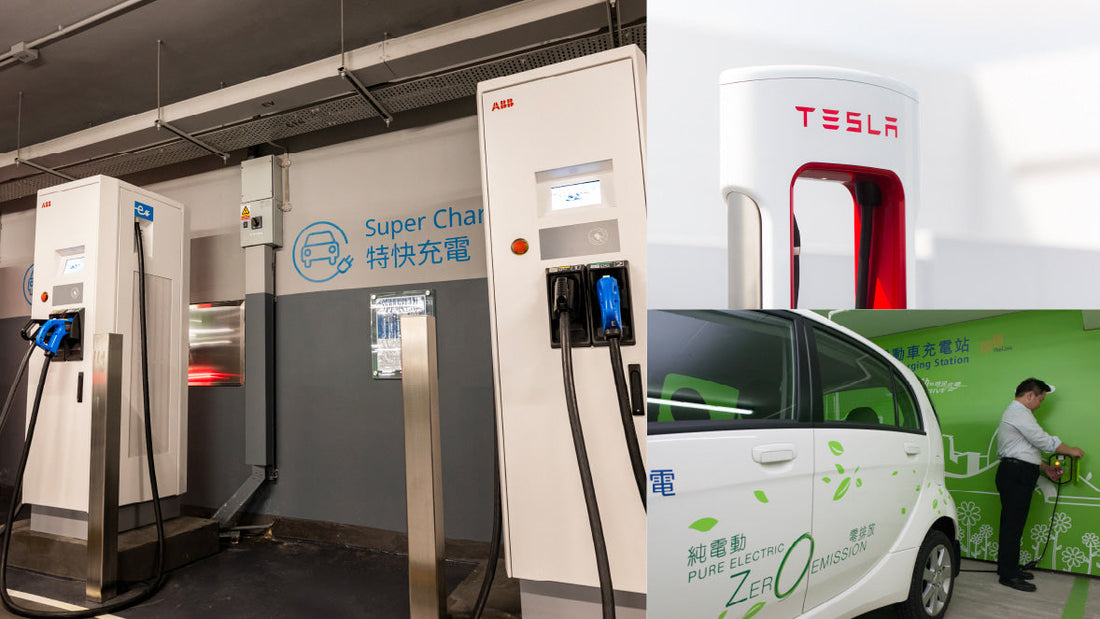
With growing global awareness of environmental protection, electric vehicles (EVs) are increasingly becoming the preferred mode of transportation. As infrastructure supporting this transformation, EV charging stations are of paramount importance. First, widespread availability of charging stations effectively addresses the "range anxiety" issue facing EV users. Many potential EV buyers hesitate due to concerns about charging inconvenience. The development of charging stations provides a more convenient charging option, thereby boosting EV sales and adoption. Second, the presence of charging stations not only supports the needs of individual users but also promotes the transformation of commercial and public transportation systems. As more bus and taxi companies adopt electric vehicles, the deployment of charging stations becomes increasingly crucial. This not only reduces carbon emissions in cities but also improves air quality and enhances the living environment for residents. Therefore, charging stations play a key role in promoting a sustainable transportation system.
summary
- The construction of electric vehicle charging stations is crucial to promoting the popularization of electric vehicles
- More electric vehicle charging stations are needed in cities to meet the growing demand for electric vehicles.
- More electric vehicle charging stations are also needed in rural areas to support the use of electric vehicles in remote areas.
- The government plays an important role in the construction of electric vehicle charging stations and needs to provide corresponding policy support and investment
- The future development trend of electric vehicle charging stations will be towards a more intelligent, efficient and green direction.
Electric vehicle charging station coverage in the city
In cities, the coverage of electric vehicle charging stations directly impacts the adoption of electric vehicles. Many cities have begun installing charging stations in public parking lots, commercial areas, and residential areas to meet growing demand. For example, in major Chinese cities such as Beijing and Shanghai, governments have clearly defined plans to establish a dense network of charging stations around major transportation hubs and commercial centers. This layout not only improves user convenience but also increases charging station usage. Furthermore, the design of charging stations in cities is constantly improving. Many new charging stations are equipped with fast-charging technology, allowing users to charge their vehicles in a short period of time, which is particularly important in busy urban life. With technological advancements, wireless charging technology is also gradually entering the market and may further change people's perception of charging methods in the future. These innovations not only enhance the user experience but also provide new possibilities for the sustainable development of urban transportation systems.
Electric vehicle charging station coverage in rural areas
Compared to urban areas, rural areas lack access to electric vehicle charging stations. Due to low population density and relatively underdeveloped economic development, many rural areas lack comprehensive charging infrastructure. This makes it difficult to use electric vehicles in these areas, limiting their market potential. However, with governments and businesses placing greater emphasis on sustainable development, the construction of charging stations in rural areas is gaining increasing attention. Some local governments are exploring partnerships with private enterprises to reduce construction costs and improve efficiency. For example, in some rural areas, local governments are partnering with gas stations to install electric vehicle charging stations on their premises. This not only leverages existing resources but also attracts more electric vehicle users. Furthermore, with the development of renewable energy technologies such as solar energy, some rural areas are considering using renewable energy to power charging stations, which not only reduces operating costs but also promotes environmental sustainability.
Construction and investment in electric vehicle charging stations
The construction of electric vehicle charging stations requires significant capital investment, including land leasing, equipment procurement, and installation costs. With growing market demand, various investment institutions have begun to focus on this sector. Many venture capital firms and private equity funds have begun investing in charging infrastructure, anticipating substantial future returns. Furthermore, some major automakers have also begun to enter the charging station construction market. For example, Tesla has established its own global Supercharger network to support its electric vehicles. This self-built charging network not only enhances brand image but also provides users with a better service experience. As market competition intensifies, major automakers are actively deploying charging infrastructure to ensure the competitiveness of their products.
The government’s role in the development of electric vehicle charging stations
The government plays a crucial role in the development of electric vehicle charging stations. First, the government can promote the development of charging infrastructure through policy guidance and financial support. For example, some countries and regions have introduced subsidies to encourage businesses and individuals to invest in charging station construction. Furthermore, the government can ensure the safety and reliability of charging stations through planning and standard setting. Second, the government can directly participate in the construction of charging stations through public projects. In some cities, the government has begun to lead the construction of public charging networks to ensure that all residents have convenient access to charging services. This public investment not only increases charging station coverage but also promotes social equity, allowing people of all income levels to enjoy the convenience of clean transportation.
Technology and facilities for electric vehicle charging stations
With the continuous advancement of technology, the technology and facilities of electric vehicle charging stations are also constantly evolving. Currently, there are three main charging methods on the market: slow charging, fast charging, and ultra-fast charging. Slow charging is generally suitable for home users or places where the vehicle is parked for long periods of time, while fast and ultra-fast charging are more suitable for public places and highway service areas to meet users' needs for rapid energy replenishment. In addition to basic charging functions, many new charging stations are equipped with intelligent management systems that can monitor equipment operating status, user usage, and energy consumption data in real time. This data not only helps operators optimize management but also provides users with more accurate information services. In addition, some advanced charging stations have begun to introduce wireless charging technology, allowing users to charge their vehicles without plugging in or unplugging them while parked, further enhancing user convenience.
Use and management of electric vehicle charging stations
Effective use and management are crucial factors in ensuring the proper functioning of electric vehicle charging stations. Many operators have begun using smartphone applications to manage user reservations, payments, and fault reporting. This digital management approach not only improves operational efficiency but also enhances the user experience. For example, users can use the app to query available nearby charging stations, view real-time status, and complete payment, greatly streamlining the user experience. Furthermore, operators must regularly maintain and inspect equipment to ensure proper operation. Advanced management systems can monitor equipment status in real time, immediately notifying maintenance personnel of any faults or anomalies. This proactive maintenance strategy not only reduces downtime but also improves user satisfaction with service quality.
Future Development Trends of Electric Vehicle Charging Stations
In the future, with continued technological advancements and growing market demand, electric vehicle charging stations will see further innovations. For one thing, the maturing of wireless charging and intelligent connectivity technologies may lead to more convenient and efficient charging methods. For example, in some cities, wireless charging technology has begun to be implemented in public transportation systems, allowing buses to charge while in motion. Furthermore, with the continued development of renewable energy technologies, many charging stations may integrate renewable energy systems such as solar and wind power to achieve green power supply. This will not only reduce operating costs but also align with the global trend towards sustainable development. Furthermore, with the rise of the sharing economy, some companies may explore shared charging stations or mobile charging services to meet the needs of different user groups.
The environmental significance of electric vehicle charging stations
From an environmental perspective, electric vehicle charging stations are crucial for reducing carbon emissions and improving air quality. As more people choose to use clean energy vehicles, air pollution caused by traditional fuel vehicles will gradually ease. Furthermore, if more charging stations can be powered by renewable energy, the entire transportation system will become greener and more sustainable. For example, in countries such as Germany and Sweden, governments have begun promoting the use of solar energy to power public charging stations. This not only reduces reliance on traditional energy sources but also lowers operating costs. Furthermore, the successful experiences of these countries offer insights for others, furthering the global exploration of clean transportation systems.
The social impact of electric vehicle charging stations
Beyond their environmental impact, electric vehicle charging stations have profound societal impacts. First, they have fostered the development of emerging industries, including new energy vehicle manufacturing, smart hardware development, and related service industries. With growing market demand, a wide range of businesses have entered this sector, creating numerous jobs and driving economic growth. Second, as public transportation transitions to clean energy, residents' travel patterns will also change. More and more people are choosing shared mobility services or public transportation over private cars. This not only helps reduce urban congestion but also improves residents' quality of life. Furthermore, in some cities, governments are promoting greener modes of transportation, such as bike-sharing and walking, making strides toward sustainable development for society as a whole.
The Convenience and Future Prospects of Electric Vehicle Charging Stations
With the continuous advancement of technology and the continuous improvement of infrastructure, electric vehicle charging stations will become more convenient in the future. Whether in cities or rural areas, users will be able to easily find the nearest charging point and quickly top up their batteries. Furthermore, new intelligent management systems will allow users to view usage status of each charging station, make appointments, and pay for services in real time through mobile apps, greatly improving the overall user experience. In the future, we may also see the emergence of more innovative business models, such as subscription-based or pay-as-you-go services. This will allow users to flexibly choose the service plan that best suits their needs. Furthermore, as public awareness of environmental protection continues to grow, people's acceptance of clean transportation will gradually increase, fully unleashing the potential of the entire market. Against this backdrop, the future of electric vehicles and their related infrastructure will usher in an even brighter future.
FAQs
What is an electric vehicle charging station?
Electric vehicle charging stations are facilities dedicated to providing charging services for electric vehicles. They are usually set up in public places or specific locations so that electric vehicle owners can charge conveniently.
What types of electric vehicle charging stations are there?
There are three main types of electric vehicle charging stations: home chargers, public charging stations, and fast charging stations. Home chargers are installed in individual homes or parking lots, public charging stations are usually set up in commercial areas or parking lots, and fast charging stations can fully charge electric vehicles in a short time.
How to use an electric vehicle charging station?
To use an electric vehicle charging station, you first need to insert the charging plug into the charging socket of the electric vehicle, and then follow the operating instructions of the charging station. Usually you need to use a charging card or mobile phone app to pay.
How long does it take to charge an electric vehicle at a charging station?
Charging time depends on the type of charging station and the battery capacity of the electric vehicle. Generally speaking, home chargers take longer to charge, while public charging stations and fast charging stations can complete charging in a shorter time.
How are the charging fees at electric vehicle charging stations calculated?
Charging fees are usually calculated based on the usage time or charging amount of the charging station. The specific fee standards are set by the charging station operator and posted at the charging station.
