
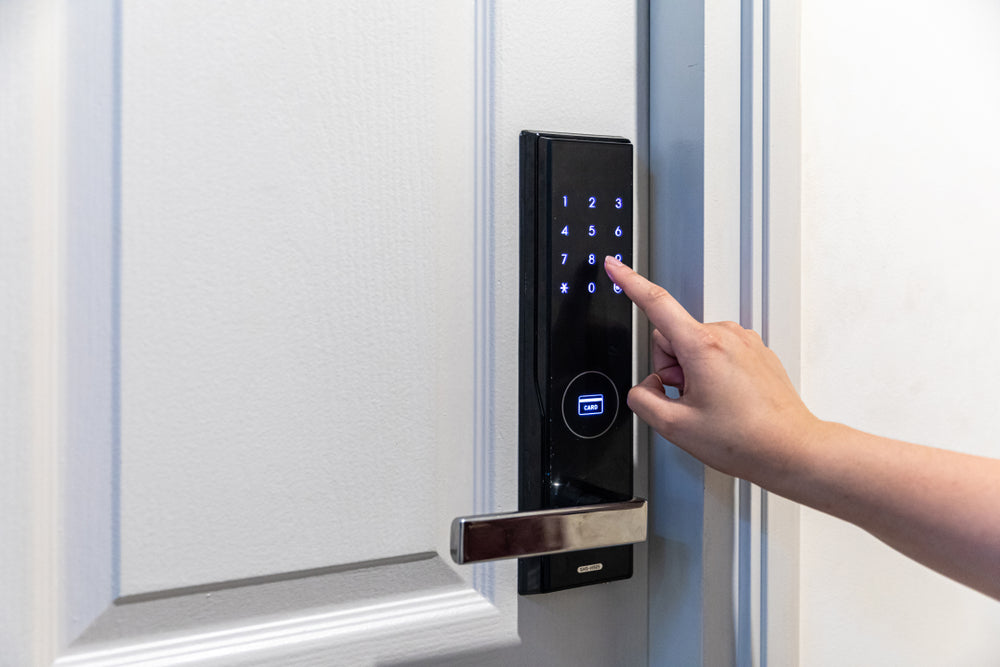
An electronic key is a device that uses electronic technology to control door locks, typically replacing traditional metal keys. This key can be a smartphone app, a dedicated electronic card, or even a biometric technology such as fingerprint or facial recognition. The advent of electronic keys not only improves security but also enhances convenience, as users no longer need to carry physical keys and can control their doors anytime, anywhere. With technological advancements, the functions of electronic keys are becoming increasingly diverse. Many electronic key systems can connect with other smart home devices to achieve a higher level of automation and control. For example, when a user approaches their home, the electronic key can automatically unlock the door and simultaneously turn on indoor lights or adjust the air conditioning temperature. These functions not only improve convenience but also provide users with enhanced security.
Key Takeaways
- What is an electronic key?
- An electronic key is a key that uses electronic technology to open door locks, usually operated through a smartphone or special electronic device.
- How does an electronic key work?
- Electronic keys typically use wireless communication technologies, such as Bluetooth or NFC, to communicate with door locks and employ encryption technology to ensure security.
- What are the differences between electronic keys and traditional keys?
- Electronic keys eliminate the need for physical keys and allow users to unlock doors using their mobile phones or other electronic devices, making them more convenient and secure.
- Application of electronic keys in smart homes
- Electronic keys can be integrated with smart home systems to provide more convenient home management and security control functions.
- How secure are electronic keys?
- Electronic keys use encryption technology and authentication functions to provide higher security, but it is still necessary to pay attention to protecting personal information and device security.
How does an electronic key work?
Electronic keys primarily rely on wireless communication technology and encryption algorithms to function. When a user uses an electronic key, the device sends a specific signal to the lock system. This signal is typically transmitted via wireless technologies such as Bluetooth, Wi-Fi, or NFC (Near Field Communication). Upon receiving the signal, the lock system authenticates the user, verifying that the signal originates from an authorized electronic key. If authentication is successful, the lock unlocks. Encryption plays a crucial role in this process. Communication between the electronic key and the lock usually uses Advanced Encryption Standard (AES) to protect data security. This means that even if someone attempts to intercept the signal, it cannot be easily decoded or imitated. Furthermore, many electronic key systems also incorporate anti-theft features, such as automatic locking after multiple incorrect key entries, further enhancing security.
What are the differences between electronic keys and traditional keys?
The main differences between electronic keys and traditional keys lie in their operation and security. Traditional keys are made of physical metal, requiring users to carry a physical key to unlock the door. Electronic keys, on the other hand, are based on digital technology and can be operated via smartphones or other devices, eliminating the worry of forgetting keys. Furthermore, electronic keys can be configured with multiple user permissions for easier access by family members or visitors, whereas traditional keys require multiple physical keys. In terms of security, electronic keys generally offer advantages over traditional keys. Traditional keys are easily copied or lost, while electronic keys allow for easy modification or revocation of access permissions. For example, if a tenant moves out, the landlord can easily revoke their electronic key access without replacing the entire lock system. Additionally, many electronic key systems feature real-time monitoring capabilities, allowing users to see who has entered their home at any time—a feature not available with traditional locks.
Application of electronic keys in smart homes
In smart home systems, electronic keys play a crucial role. They are more than just unlocking tools; they are an integral part of the entire smart home ecosystem. Through connectivity with other smart devices, electronic keys enable automated control. For example, users can set their doors to unlock automatically when they return home, simultaneously turning on lights and adjusting the air conditioning to create a comfortable living environment. Furthermore, many smart home systems offer remote control functionality. Users can monitor and control their home's locks anytime, anywhere via a mobile app. For instance, if a package arrives, users can remotely unlock the door for the courier to place it, without having to be physically present. This convenience has made electronic keys increasingly popular in modern homes, driving the development of the smart home market.
How secure are electronic keys?
Electronic keys are generally considered to offer higher security than traditional keys, but this doesn't mean they are completely risk-free. First, electronic key systems rely on wireless communication technology, making them vulnerable to hacking or signal interference. To mitigate these risks, many manufacturers employ advanced encryption technologies and authentication mechanisms to ensure that only authorized users can access the locks. Furthermore, some high-end electronic key systems feature multi-factor authentication, such as combining fingerprint recognition and password input, to enhance security. This way, even if a hacker obtains a user's electronic key, they cannot easily unlock the lock. In addition, many systems offer real-time alerts, immediately notifying the user upon detecting unusual activity so that timely action can be taken.
Steps for setting up and using an electronic key
Setting up an electronic key typically involves several steps. First, the user needs to choose a suitable electronic lock and install it on the door. The installation process may require professional assistance to ensure the lock is installed correctly and functions properly. After installation, the user needs to download the corresponding mobile application and register an account. Next, the user needs to pair the electronic key with the door lock. This usually involves bringing the phone close to the door lock and following the instructions in the application. Once paired successfully, the user can control the door lock through the mobile application, including unlocking, locking, and setting user permissions. In daily use, users simply need to open the application and select the corresponding operation, which is very convenient.
Advantages and disadvantages of electronic keys
Electronic keys offer numerous advantages, most notably convenience and security. Users no longer need to carry physical keys; they can easily unlock doors using only their mobile phones or other devices. Furthermore, electronic key systems typically support multiple user access permissions, allowing family members or visitors convenient access without the need for multiple physical keys. However, electronic keys also have some disadvantages. For example, they rely on power and wireless signals; if the battery runs out or the signal is unstable, it may prevent unlocking. Additionally, due to continuous technological updates, some older electronic lock models may face compatibility issues. Therefore, users need to carefully consider their needs and potential risks when choosing an electronic key system.
Future development trends of electronic keys
With continuous technological advancements, the future development trend of electronic keys will be towards greater intelligence and automation. Future electronic keys may integrate more biometric technologies, such as iris recognition or voice recognition, to enhance security and convenience. Furthermore, with the widespread adoption of IoT technology, electronic keys will be able to seamlessly connect with more smart devices, enabling higher levels of automated control. In addition, artificial intelligence (AI) technology may also play a significant role in electronic key systems. For example, AI can analyze user behavior patterns, automatically adjust door lock opening and closing times, or set user permissions to improve security and convenience. These innovations will make electronic keys play an even more crucial role in future smart homes.
Electronic key price and brand selection
Many brands offer various models of electronic keys on the market, with prices ranging from several hundred to several thousand yuan. When choosing a suitable brand and model, users need to consider their needs, budget, and the product's security features. Well-known brands such as August, Yale, and Schlage offer high-quality and feature-rich electronic locks. When selecting a brand, users should also check product reviews and user feedback to understand its performance and reliability. In addition, some brands offer after-sales service and warranty policies, providing users with extra protection. Before making a choice, it's advisable to refer to professional review websites or consumer reports for more information.
Environmental impact of electronic keys
While electronic keys offer advantages in convenience and security, their environmental impact warrants attention. Firstly, many electronic locks are battery-powered, and the production and disposal of batteries can burden the environment. Therefore, when choosing an electronic lock, users should consider rechargeable models or those with long-lasting batteries to minimize environmental impact. Furthermore, with continuous technological advancements, many brands are exploring sustainable materials and environmentally friendly designs to reduce the environmental impact of their products. For example, some companies are developing electronic locks made from recyclable materials to reduce resource consumption and waste generation. In the future, we may see more environmentally friendly electronic lock products enter the market.
Tips and precautions for using electronic keys
Several tips can help users improve security and convenience when using electronic keys. First, users should regularly check for software updates to their door lock system to ensure it has the latest security patches. Additionally, when setting a password or PIN, avoid using easily guessed combinations such as birthdays or simple numeric sequences. Users should also regularly check the battery status to prevent the lock from failing due to a dead battery. In some cases, consider a backup mechanism, such as setting a traditional spare key, just in case. When sharing home or office spaces, users should carefully manage visitor permissions to ensure only authorized personnel can enter.
FAQs
What is an electronic key?
An electronic key is a new type of key that uses electronic technology to replace traditional metal keys. It can communicate with the lock via wireless communication technology to open or close the door.
How does an electronic key work?
Electronic keys typically use wireless communication technologies, such as Bluetooth or RFID, to communicate with locks. Once paired with a lock, the lock can be opened and closed via a mobile phone or a specific device.
What are the advantages of electronic keys?
Electronic keys enhance security because they are typically encrypted, making them difficult to copy or emulate. Furthermore, electronic keys are more convenient, allowing multiple keys to be managed via mobile phone or other devices, and enabling remote control.
What are the application scenarios for electronic keys?
Electronic keys are widely used in residential, commercial, and automotive applications. In residences, they can be used for door locks, garage doors, etc.; in commercial settings, they can be used for office access control systems; and in automobiles, they can be used for keyless entry and start systems.
