
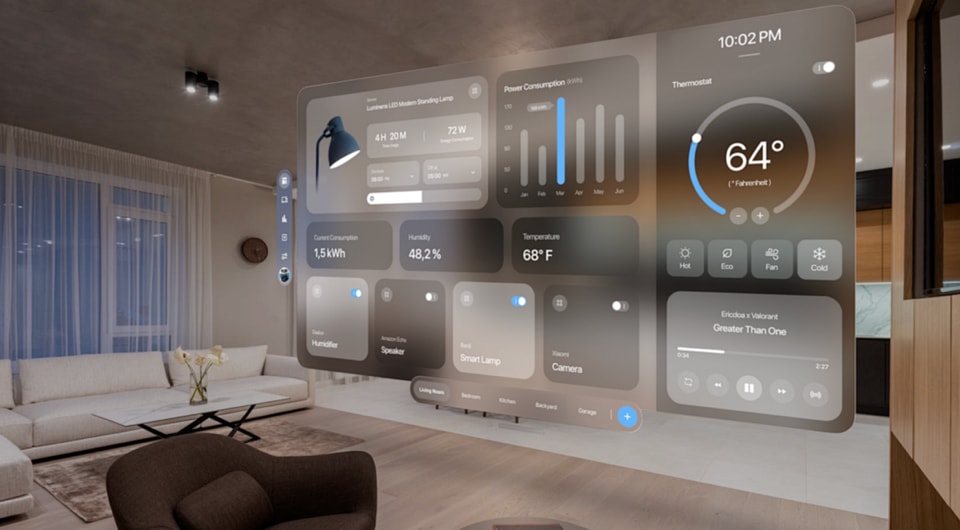
Smart homes have gradually shifted from futuristic dreams to a modern reality for many homeowners today. However, delving into the world of whole-home automation is far from simple or inexpensive. Through firsthand experience in outfitting a new home in Linkou with over 150 smart devices, this journey has been filled with valuable lessons, unexpected obstacles, and insights that are useful for anyone considering the same path. This article delves into the pain points, must-know tips, and practical strategies to help you navigate the complexities of installing a whole-house smart system.
Why a smart home is about more than just voice commands
When many people think of a smart home, the first image that comes to mind is calling out to Siri or Alexa to turn on the lights. But the evolution of next-generation smart homes has moved beyond the need for voice or manual interaction. With advanced sensors and automation, devices can now intelligently respond to your presence and routines without direct commands. For example, as your children move through the house, motion detectors can automatically execute lighting and other functions, eliminating the hassle of physically flipping switches.
This hands-free automation reflects the future of smart living—where convenience and seamless control take center stage.
Planning is critical: Start with a detailed floor plan
One of the first and most critical steps before installing smart home devices is creating a comprehensive floor plan. Whether you hire a professional designer or create your own blueprint, a clear and detailed schematic (especially one that includes electrical and piping layouts) is essential. Without this, estimating costs and planning the installation becomes guesswork, and communication with contractors often breaks down.
For new homeowners undertaking a full smart home setup, a floor plan guides important decisions, such as the placement of lighting fixtures and switches, cable routing, and the positioning of sensors or cameras. This foundation ensures a smooth installation process and ultimately reduces costly mistakes.
Choosing your smart home ecosystem: Xiaomi, Aqara, or a closed system?
The market offers various ecosystems for smart devices, each with its own pros and cons:
- Xiaomi: Known for its affordability and wide variety of products. However, it often struggles with system stability and connection failures, making it less reliable for a fully integrated smart home.
- Aqara: A premium brand with Apple HomeKit certification, ensuring strict security and stable performance. While slightly more expensive than Xiaomi, Aqara offers superior build quality and a rich portfolio of compatible devices. It uses the Zigbee wireless protocol to enhance connection reliability.
- Closed Ecosystems: These come from companies that provide full-service solutions, including installation and support. While reliable, they are expensive, often proprietary, and limit your options for mixing in devices from other brands.
Key takeaway: Choose a system that balances cost, reliability, and ecosystem flexibility. Certifications like Apple’s HomeKit are important indicators of product credibility, especially regarding cybersecurity.
Connectivity and network stability matter
How your devices communicate is just as important as the devices themselves. Most smart devices operate using different protocols—Wi-Fi, Zigbee, or Bluetooth:
- Wi-Fi can be prone to interference and connection drops, especially if your router or network is not robust.
- Zigbee is favored by Aqara; it operates on a mesh network specifically designed for smart home stability, providing more robust and reliable communication.
- Bluetooth is sensitive to distance and is generally impractical for whole-home coverage.
Investing in a high-quality Wi-Fi system (such as commercial-grade UniFi products) combined with Zigbee-enabled smart devices ensures smooth operation and reduces frustrating dropouts.
Smart switches and wiring: The importance of neutral wires and avoiding traditional loops
Many traditional homes use "two-way switches" (also known as "loops"). These are great for manual operation but complicate smart home installations. Smart switches typically require a neutral wire for power. In new builds or renovations, it is best to eliminate old circuit loops and install dedicated wiring for smart devices to simplify control and improve reliability. This also reduces cable costs and allows a single switch to independently control multiple lights without complex wiring.
Wireless switches also provide flexibility for rooms where rewiring is not possible, allowing for remote control without heavy installation work. This combination of wired and wireless solutions provides users with maximum convenience and minimizes disruptions during renovations.
Door locks: A crucial first step in smart home installation
One of the most important smart devices to install early in a smart home project is an electronic door lock. A high-quality smart lock not only provides secure keyless entry but also enhances convenience and remote access.
Recommended models use facial recognition technology that performs reliably even in low light, which is more user-friendly than traditional fingerprint or card-based systems. Early installation during renovation is crucial, as these locks require precise door modifications and professional fitting. This approach prevents costly mistakes and ensures smooth operation from day one.
Smart locks also allow for temporary digital keys, perfect for delivery personnel or workers, without the need to distribute physical keys. You can even assign one-time codes, thereby increasing security and control.
Smart curtains: Hidden challenges and potentially costly pitfalls
Many people overlook the complexity of automated curtains, but they represent one of the most expensive and technically demanding smart home components. Regular curtain suppliers often lack experience with smart curtain systems, leading to issues with track sizing, motor compatibility, and proper installation.
Expect to spend more, and seek out professional suppliers who understand the nuances of smart curtain automation. Attempting a DIY or traditional curtain company approach often leads to repeated fixes, delays, and frustration.
Smart home installation is deep and complex—involve the pros
Smart home technology is not mass-market plug-and-play; it is a deep discipline that requires expert coordination between electricians, designers, and technology specialists. Many interior designers and contractors lack specific smart home expertise, which creates a risk of miscommunication and poor results.
This is where the emerging role of a "smart home planner" or consultant becomes crucial. This professional expert works with you, your designer, and your electrician to tailor a system that meets your needs, preferences, and budget. They provide advice on device selection, network infrastructure, and automation logic, easing the burden on the homeowner.
Finding the right expert can save time and money
"Smart home planners" are not flashy salespeople but knowledgeable participants who are well-versed in products, ecosystems, and installation logistics. Utilizing one can lead to better design decisions, avoid costly blunders, and create a cohesive, reliable setup that truly enhances your living experience.
While their fees may increase upfront costs, it often brings a significant return on investment by reducing frustration, future-proofing your investment, and ensuring a smooth installation process.
Final thoughts: Embrace smart living—but do it right
Smart homes can greatly improve comfort, security, and efficiency. But building a whole-house smart system is a complex project that requires consideration of technology, practice, and budget. Start early, prepare a detailed plan, choose high-quality and certified devices, ensure network stability, and bring in smart home professionals.
If you like, you can experiment with smaller components via DIY. However, when it comes to whole-home automation, expert advice and professional installation play a significant role. Your smart home should simplify life, not complicate it.
By learning from the experiences of others, including trials with devices, wiring, and coordination, you will save money, avoid headaches, and create a smart home you will love for years to come.
If you are considering a smart home project or want to explore device compatibility and installation strategies, start by drawing your floor plan, defining your must-haves, and researching certified ecosystems. The future of home living is smart—and with careful planning and the right help, it can also be effortless.
FAQ
What is the first step when setting up a whole-home smart system?
The first step is to prepare a detailed floor plan, including electrical and piping layouts, so you can accurately estimate costs and plan the placement of light switches and sensors. Smart locks should also be installed early in the renovation process, as they require precise door modifications and professional installation.
How should I choose between Xiaomi and Aqara smart home systems?
Xiaomi is affordable and offers a wide range of products, but its system stability and connectivity are weaker. Aqara has Apple HomeKit certification, uses the Zigbee protocol for more reliable connectivity, and offers better build quality and security, making it more suitable for users who want a complete smart home setup.
Is it better to use Wi-Fi or Zigbee for a smart home?
Wi-Fi is easily subject to interference and drops, and Bluetooth has limited range. Zigbee operates on a mesh network and is the most stable choice for a smart home. The article recommends investing in a high-quality Wi-Fi system (such as commercial-grade UniFi) combined with Zigbee devices for the most stable operation.
