
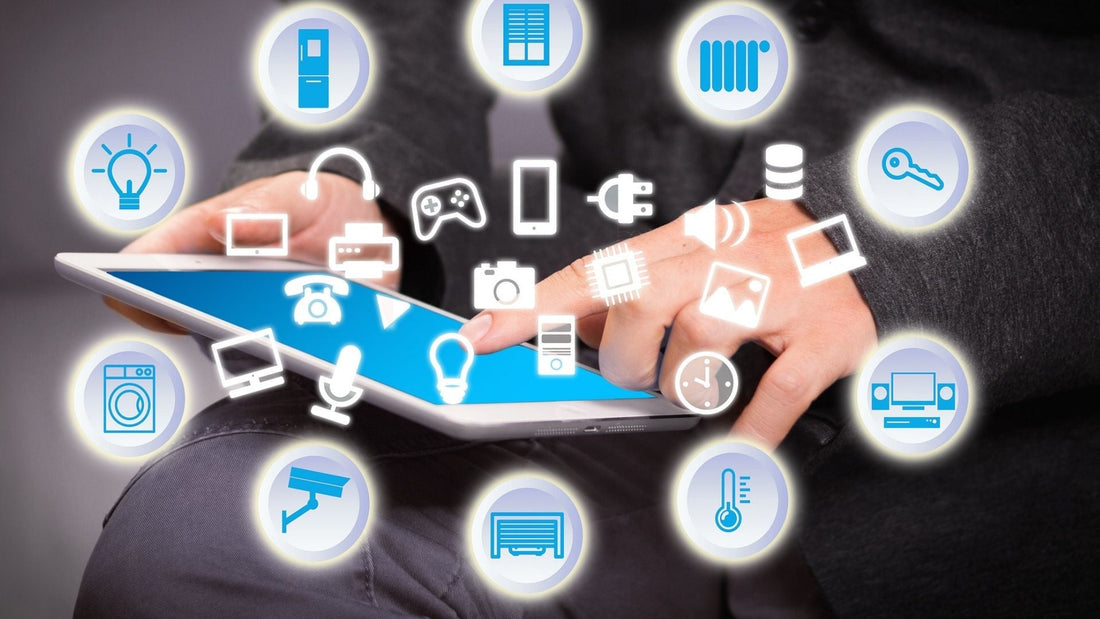
Smart Home Systems: Creating a Smart and Comfortable Life
A smart home system is a solution that uses advanced technology to interconnect and automate the management of various devices and systems within a home. These systems typically encompass lighting, HVAC, security, entertainment, and appliances, connecting via a network to enable remote control and intelligent operation. Users can monitor and manage their home devices anytime, anywhere using smartphones, tablets, or voice assistants, thereby enhancing convenience and comfort. The core of a smart home system lies in its interconnectivity and automation capabilities. These systems are usually based on Internet of Things (IoT) technology, connecting various devices to the internet and processing and analyzing data through cloud services. This allows users to not only access real-time status updates for their home devices but also customize settings according to their individual needs. For example, when a user returns home, the system can automatically adjust lighting brightness, indoor temperature, and even play their favorite music to create a comfortable environment.
Key Takeaways
- What is a smart home system?
- A smart home system refers to a system that uses technological devices and network connections to make home facilities more intelligent and automated.
- Main functions of a smart home system
- The main functions of a smart home system include remote control, energy management, security monitoring, intelligent voice control, and automated settings.
- Advantages and benefits of smart home systems
- Smart home systems can improve the convenience, security, and comfort of life, while also saving energy and reducing environmental impact.
- How to choose a suitable smart home system
- When choosing a smart home system, factors such as family needs, system stability, compatibility, and after-sales service should be considered.
- Installation and setup steps for smart home systems
- Installing a smart home system requires system planning and device selection, followed by installation and setup, and finally testing and adjustments.
Main functions of a smart home system
Smart home systems encompass a wide range of functions, the most common including smart lighting, smart security, smart HVAC, smart appliance control, and home entertainment systems. Smart lighting systems can automatically adjust the brightness and color of lights according to user needs, and can even be timed to achieve energy savings. Users can control the lights via mobile applications or voice commands, eliminating the need for manual operation. In terms of security, smart home systems are typically equipped with surveillance cameras, door and window sensors, and alarm systems. These devices can monitor home security in real time and immediately notify users when abnormalities are detected. Many systems also support remote viewing of the monitoring footage, allowing users to check on their home's security even when they are away. Furthermore, the development of smart lock technology allows users to unlock doors with their mobile phones, eliminating the need to carry traditional keys, further enhancing security and convenience.
Advantages and benefits of smart home systems
The advantages of smart home systems extend beyond convenience, encompassing energy savings, enhanced security, and improved quality of life. Firstly, smart home systems effectively conserve energy. Through automated control, the system can adjust device operation based on actual needs, such as automatically turning off lights and air conditioning when no one is home, thus reducing energy consumption. Furthermore, some highly efficient smart devices can provide real-time energy usage data, helping users better manage household expenses. Secondly, smart home systems significantly enhance security. Traditional security measures often rely on manual patrols or simple alarm systems, while smart security devices offer 24/7 monitoring. In the event of an intrusion or other anomalies, the system immediately issues an alarm and notifies the user, and can even automatically contact local law enforcement. In addition, many smart security devices feature facial recognition and motion detection capabilities, making security more comprehensive.
How to choose a suitable smart home system
Choosing the right smart home system requires considering several factors, including family needs, budget, compatibility, and future scalability. First, users should determine the required functions based on their lifestyle and needs. For example, if there are many family members who frequently travel, a system with strong security features should be prioritized; if comfort is emphasized, a system with intelligent HVAC control can be chosen. Second, budget is also a crucial factor. Various products at different price points are available on the market, and users need to choose a suitable solution based on their financial situation. Furthermore, compatibility is an important factor. Compatibility issues may exist between different brands and models of devices, so it's essential to ensure that the purchased devices can seamlessly connect with existing smart home platforms. Finally, users should also consider future scalability to easily add new devices as needed.
Installation and setup steps for smart home systems
Installing and setting up a smart home system typically involves several main steps. First, users need to choose suitable locations to install various devices, such as cameras, sensors, and control panels. When choosing locations, signal strength and field of view should be considered to ensure the devices function properly. Next, users need to follow the product instructions for specific installation steps. Most smart devices are designed to be relatively simple, and even non-professionals can easily complete the installation. After installation, users need to download the corresponding mobile application and register an account for subsequent setup and management. Within the application, users can connect various devices to their home Wi-Fi network and perform initial configurations by following the prompts.
Application scope of smart home systems
The application of smart home systems is very broad, extending beyond residential spaces to increasingly commercial areas. In residential settings, smart home systems enable centralized management of lighting, HVAC, security, and entertainment. For example, in a home theater, users can adjust lighting, curtains, and audio equipment with a single button to create the optimal viewing environment. In the commercial sector, smart home technology also has significant application value. Many companies are adopting smart office solutions to improve work efficiency and employee satisfaction. For instance, some companies utilize smart lighting systems that automatically adjust indoor lighting brightness based on natural light, combined with air conditioning systems to achieve optimal comfort. Furthermore, the security needs of commercial premises have prompted many businesses to invest in high-tech monitoring and alarm systems to protect their property.
Future Development Trends of Smart Home Systems
With continuous technological advancements, smart home systems will evolve towards greater intelligence, automation, and personalization. Firstly, artificial intelligence (AI) technology will play an increasingly important role in smart homes. Future smart home systems will be able to learn users' lifestyles and automatically adjust device settings to provide more personalized services. For example, an AI assistant can automatically adjust lighting and temperature based on a user's daily routine to achieve optimal comfort. Furthermore, with the widespread adoption of 5G technology, communication speeds between smart home devices will significantly increase, enabling instant responses. This will allow various devices to work together better, improving overall efficiency. Simultaneously, more secure and reliable data transmission technologies will foster user trust in smart home systems, making this emerging technology more widely accepted.
Energy-saving and environmental benefits of smart home systems
Smart home systems offer significant benefits in energy conservation and environmental protection. Firstly, these systems can reduce energy consumption through automated control. For example, automatically turning off lights and air conditioning when rooms are unoccupied not only reduces unnecessary energy waste but also lowers household expenses. Furthermore, some high-efficiency smart devices, such as energy-saving light bulbs and high-efficiency air conditioners, also contribute to reducing carbon emissions. Secondly, smart home systems can help users better manage water resources. Some advanced water pipe monitoring devices can detect leaks and issue timely alerts, thus preventing water waste. Simultaneously, these devices can provide real-time water usage data, allowing users to better understand their water consumption and make appropriate adjustments.
Security and privacy protection of smart home systems
While enjoying the convenience of smart homes, users are increasingly concerned about security and privacy. Since smart home systems typically require an internet connection, the potential risk of cyberattacks cannot be ignored. To ensure security, users should choose products with strong encryption technologies and security measures. Furthermore, regularly updating device firmware is also an important step in maintaining security. Privacy protection is equally important to consider when using smart home systems. Many smart devices collect user data to provide personalized services, but this can also lead to privacy breaches. Therefore, users should carefully read the privacy policy when choosing products to understand how data is collected, stored, and used. Users should also regularly check their privacy settings to ensure their personal information is not misused.
Cost and return on investment of smart home systems
Investing in a smart home system requires balancing costs with potential returns. Initial investment can be relatively high, including equipment purchase, installation, and ongoing maintenance. However, in the long run, these investments often yield substantial returns. For example, users can recoup their initial investment within a few years due to energy savings. Furthermore, some high-efficiency devices may be eligible for government subsidies or tax breaks. Beyond economic benefits, smart home systems can enhance quality of life, making the return on investment more than just monetary. By improving convenience, security, and comfort, users will enjoy a better life. Therefore, when evaluating costs and returns, it's crucial to consider not only monetary factors but also the value derived from improved quality of life.
User experience and satisfaction with smart home systems
User experience is a crucial indicator of a smart home system's success. A good user experience typically includes a user-friendly interface, fast response times, and stable, reliable performance. Many brands are dedicated to optimizing their application interfaces, making them easy to use even for those with limited technical skills. Furthermore, the introduction of voice assistant technology allows users to easily control various devices via voice commands, significantly enhancing convenience. Satisfaction reflects the overall user experience. Market research shows that most users are satisfied with smart home systems, believing they not only improve their quality of life but also make daily life more convenient. However, some users report difficulties during setup or compatibility issues, indicating that manufacturers need to continuously improve product design to meet the needs of different user groups.
FAQs
What is a smart home system?
A smart home system is an intelligent system that connects and controls home appliances and facilities via the internet. It can be remotely controlled and automated through smartphones, tablets, or voice assistants.
What are the functions of a smart home system?
Smart home systems can achieve functions such as intelligent lighting control, intelligent security monitoring, intelligent appliance control, intelligent temperature control, and intelligent curtain control. Users can remotely control and automate operations via mobile phone or voice commands.
What are the advantages of a smart home system?
Smart home systems can improve the convenience and comfort of home life, save energy and resources, enhance home security, and improve the quality of life. They also enable remote monitoring and control, allowing users to manage home devices anytime, anywhere.
How can the security of smart home systems be guaranteed?
Smart home systems typically employ encryption technologies and security protocols to ensure the security of data transmission, while also having strict access control and authentication mechanisms to prevent unauthorized access and control.
What kind of equipment is needed for a smart home system?
Smart home systems typically require smart home devices (such as smart lights, smart sockets, smart door locks, etc.) and smart gateways or central control devices to achieve internet connectivity and control. They also require a reliable internet connection and control terminals such as smartphones or tablets.
